

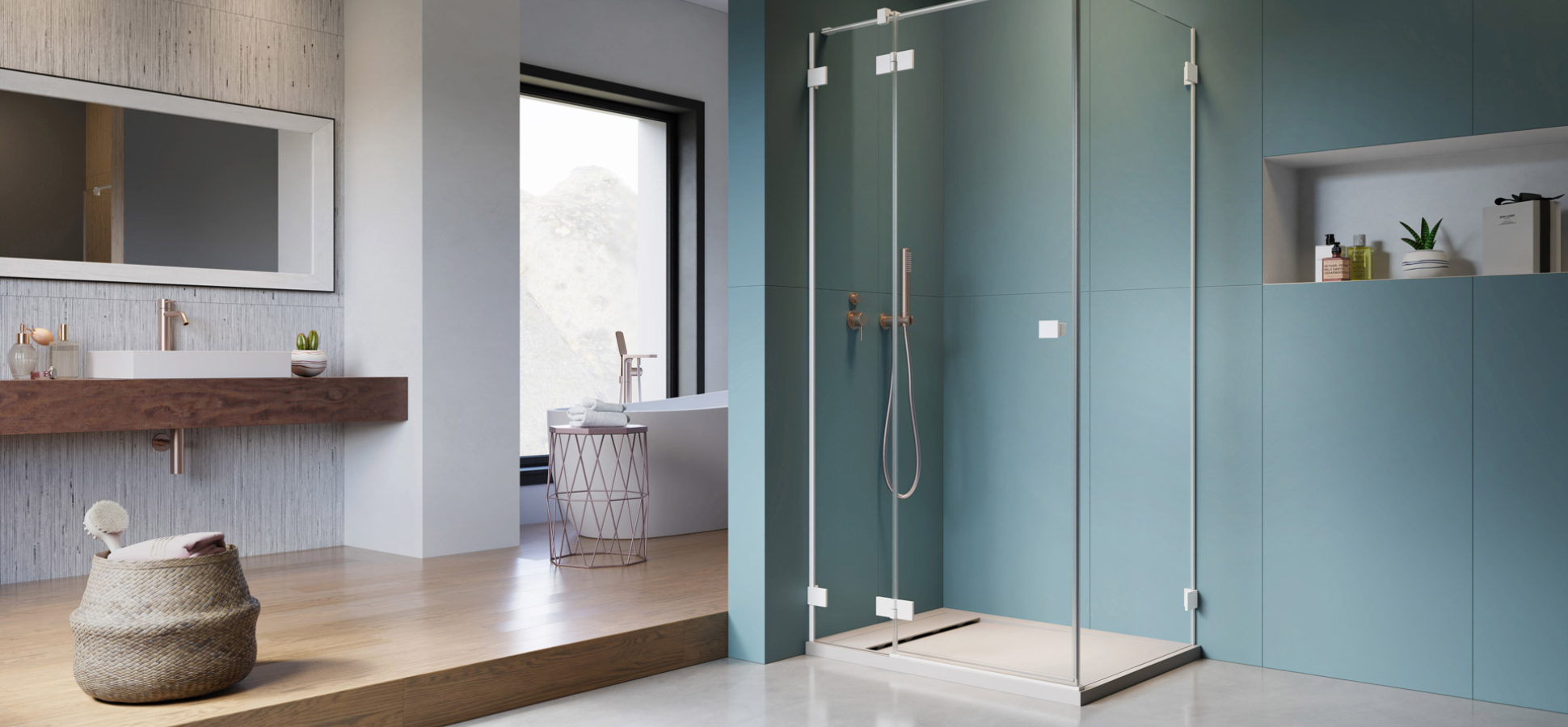
Best Non slip Shower Floor Tile Ideas For 2025
Why Slip Resistance Should Come Before Style
A shower floor gets more daily wear and moisture than almost any other surface in the house, which is exactly why non slip shower floor tile ideas matter more than people expect going in. It is easy to fall for a glossy sample tile in a showroom and forget that the same shine turns dangerous the moment it gets wet and soapy.
The good news is you do not have to trade safety for style anymore. Here is what to look for before anything else:
-
A textured or matte finish rather than a polished or high-gloss surface.
-
A DCOF rating of 0.42 or higher, which is the industry benchmark for wet areas.
-
Smaller tile formats or more grout lines, since both add traction underfoot.
-
A proper slope toward the drain during installation, regardless of tile choice.
Get those four right, and almost any material on this list becomes a safe, good-looking option for your shower floor tile ideas.
Comparing the Best Non Slip Options for 2026
Here is how the top four non slip materials stack up side by side.
|
Material |
Slip Resistance |
Maintenance |
Best For |
|
Textured porcelain |
Excellent, meets DCOF 0.42+ |
Low, no sealing needed |
Large format, curbless showers |
|
Natural stone (marble, travertine) |
Excellent, naturally porous |
Higher, needs periodic sealing |
Spa style, textured look |
|
Pebble tile |
Excellent, uneven surface grips well |
Moderate, more grout to clean |
Spa feel, natural texture |
|
Mosaic tile |
Very good, more grout lines add grip |
Low to moderate |
Pattern, color, tight budgets |
Textured porcelain remains the most popular pick for good reason. Modern manufacturing gives porcelain a three-dimensional surface grip that meets or exceeds the 0.42 DCOF standard without looking rough or industrial. It resists moisture almost completely, holds color well over time, and comes in large format sizes that many 2026 bathroom designs favor for a seamless, curbless look.
Natural stone, especially honed marble and travertine, is one of the least slippery choices you can install. The naturally porous surface grips bare feet even when wet, and it brings a texture that manufactured tile still struggles to fully replicate. The tradeoff is maintenance; stone needs sealing on a regular schedule to stay both safe and stain-resistant.
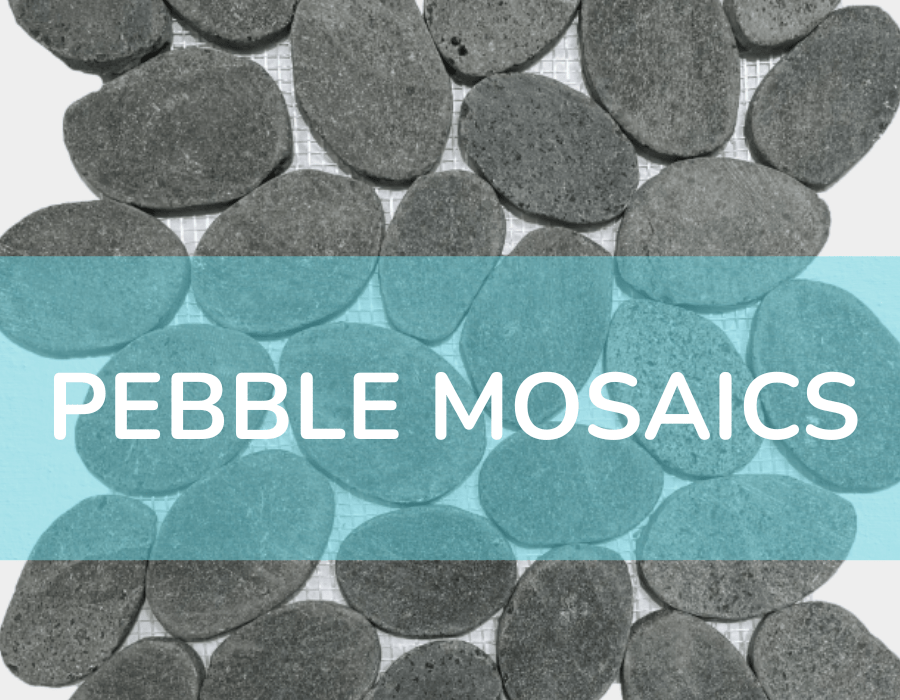
Pebble tile creates a genuinely spa-like feel underfoot, and the uneven surface is naturally one of the best slip resistant shower tile options on the market. It is a strong pick if you want a shower floor that feels different from the rest of the bathroom, though the extra grout coverage means slightly more cleaning.
Mosaic tile, in glass, porcelain, or stone, earns its spot on this list because of scale rather than material. Small format pieces mean more grout lines packed into the same square footage, and grout itself adds traction. A 1 inch or 2 inch mosaic in a matte finish checks every safety box while still allowing for pattern and color play.
If you had to pick just one, textured porcelain or a small format mosaic covers the widest range of budgets and styles while still hitting the safety numbers that matter.
What to Avoid
-
Polished or high-gloss finishes of any material, no exceptions for the shower floor.
-
Very large-format tiles with minimal grout, since fewer seams mean less grip.
-
Skipping the slope check during installation, even the best tile fails without proper drainage.
Ready to Choose Your Shower Floor Tile?
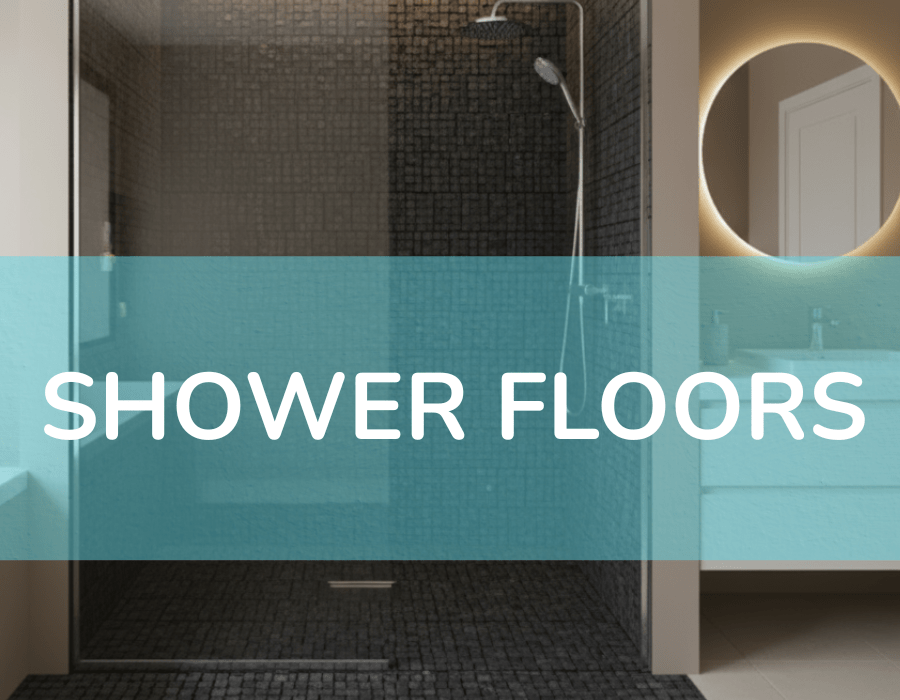
If you already have a material in mind from this list, our shower floor tile collection has textured porcelain, mosaic, pebble, and natural stone options ready to browse. Shop for shower floor tile to compare finishes, sizes, and slip ratings side by side before you buy samples.
Frequently Asked Questions
What tile is least slippery for a shower floor?
Natural stone, particularly honed marble or travertine, tends to be the least slippery once wet. Textured porcelain is a very close second and needs far less upkeep, which is why it is the more common choice.
Does tile size affect slip resistance?
Yes, quite a bit actually. Smaller tiles mean more grout lines packed into the floor, and grout adds real traction. That is part of why mosaic and pebble tile show up so often on shower floors specifically.
What slip rating should shower floor tile have?
Look for a DCOF rating of 0.42 or higher, since that is the accepted standard for wet, walked on surfaces in the tile industry. Most reputable manufacturers list this rating directly on the product page or spec sheet.

Written by Tiles and Deco
READ MORE
Transform Your Cooking Space With Affordable Kitchen Tiles
Everyone has a creative instinct, but creativity comes with a price tag. When it comes to finding affordable kitchen tiles, you might have to search for a while. Different materials of tiles...
Read more
Top 10 Latest White Hexagon Tile Trends
When it comes to decorating homes, white hexagon tile has a special place among homeowners and designers. The six-sided shape of hexagon tiles creates a visually appealing pattern that can a...
Read more