






10 Stunning Feature Wall Ideas Using Mosaic Tiles in Modern Homes
A blank wall is wasted square footage. Mosaic tile turns that same wall into the focal point of a room without the cost or commitment of a full renovation. Whether you're refreshing a living room, adding drama to a bedroom, or making an entryway memorable, feature wall ideas with mosaic tiles give you a way to bring in color, texture, and light-play that paint simply can't match.
This guide walks through where mosaic feature walls work best, which materials suit which rooms, and how to avoid the mistakes that turn a bold idea into a busy one.
Why Mosaic Feature Walls Are Trending in Interior Design
Interior designers have been steadily moving away from all-white, all-neutral rooms toward spaces with at least one point of visual interest. According to the 2026 Houzz Kitchen Trends Study, homeowner searches for pattern-driven surfaces such as checkerboard tile have grown by double digits year over year, and designers report a parallel rise in requests for mosaic and matchstick tile in bathrooms and living spaces because it delivers "just enough pattern and detail" without overwhelming a room.
Part of the appeal is practical. A mosaic feature wall costs a fraction of what a full-room renovation runs, installs in a weekend for most DIY-capable homeowners, and is far more durable than wallpaper or a feature paint color; mosaic tile doesn't peel, fade in direct sun, or scuff the way painted drywall does. It's also a decorative wall design choice that photographs well, which matters if you're staging a home or building out a rental listing.
Choosing the Right Tile Material for an Accent Wall
Not every mosaic material behaves the same way on a vertical surface. Weight, light reflectivity, and grout requirements all shift depending on what you choose.
Glass Mosaic Tiles
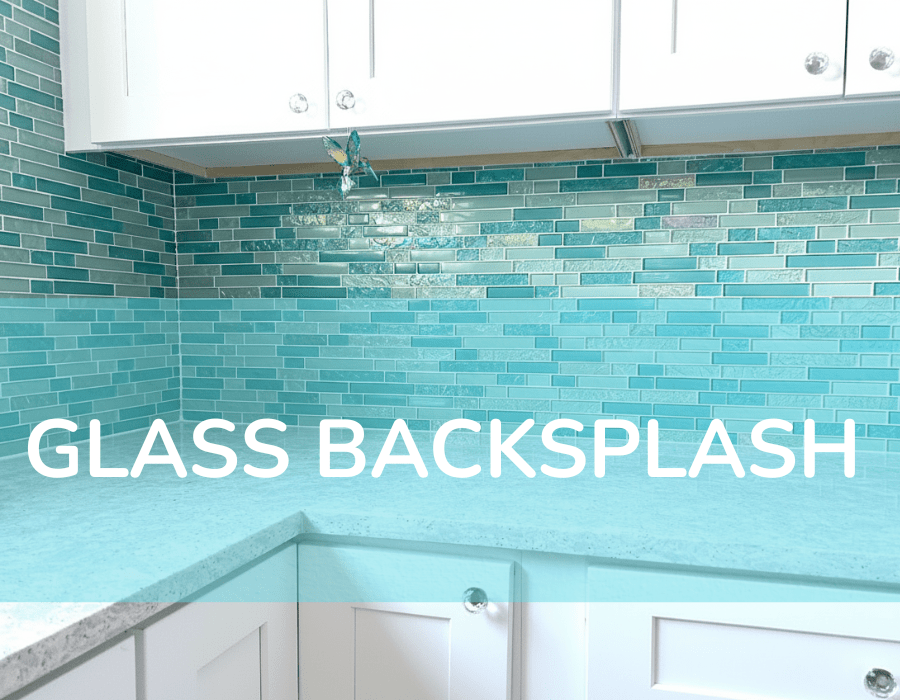
Glass mosaic tiles reflect and bend light, which makes them the strongest option for a wall that needs to visually open up a smaller or darker room. They come in a huge color range, including iridescent and frosted finishes, and are non-porous, so they resist staining without sealing. Glass is lightweight relative to stone, which makes it easier to work with on drywall using a quality mastic or thin-set.
Marble Mosaic Tiles
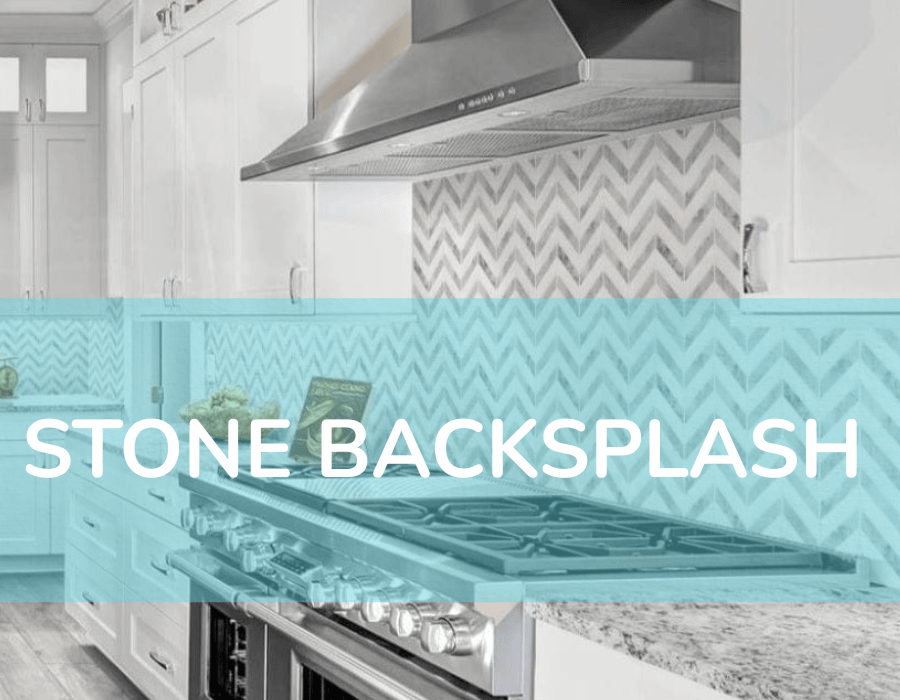
Marble mosaic tiles bring natural veining and a soft, matte-to-polished finish that reads as quietly upscale rather than loud. They're heavier than glass or ceramic, so they typically need a properly prepared substrate and thin-set mortar rather than mastic. Marble is porous and benefits from a penetrating sealer, particularly in kitchens or bathrooms where splashes are common.
Porcelain Mosaic Tiles
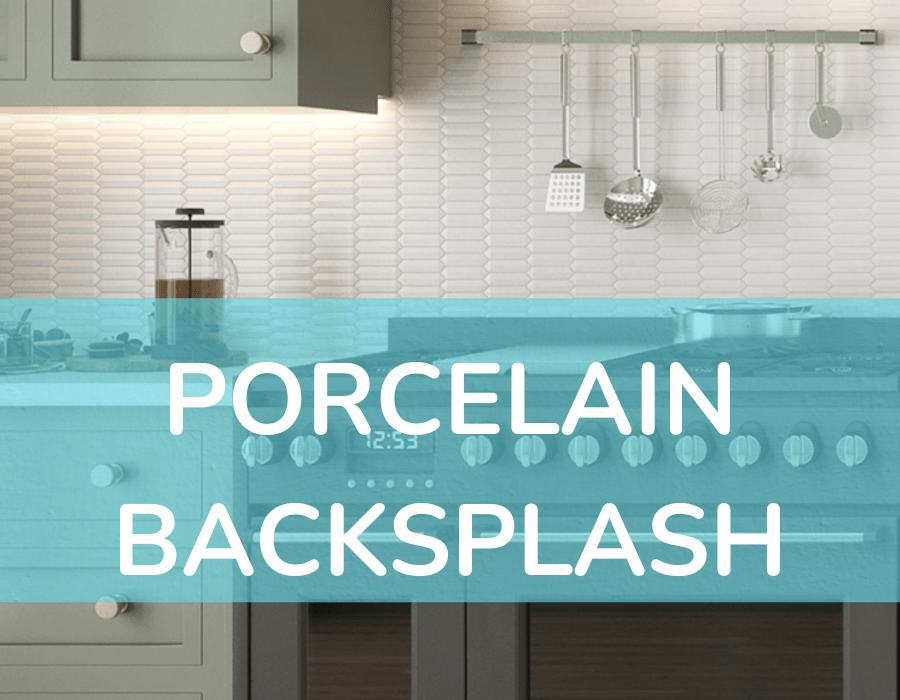
Porcelain mosaics are the low-maintenance choice. With water absorption of 0.5% or less under ANSI A137.1, porcelain resists moisture, staining, and fading better than natural stone, and it holds up in high-traffic zones like hallway feature walls or stair risers. Porcelain now comes in wood-look, stone-look, and concrete-look finishes, so you get the visual softness of natural material with far less upkeep.
|
Material |
Light Reflection |
Maintenance |
Best Rooms |
|
Glass mosaic |
High brightens space |
Low, wipe clean |
Kitchen, bath, small living rooms |
|
Marble mosaic |
Medium soft glow |
Moderate, needs sealing |
Bedroom, entryway, formal dining |
|
Porcelain mosaic |
Low to medium |
Very low |
Hallways, stair walls, family rooms |
Feature Wall Ideas for Living Rooms
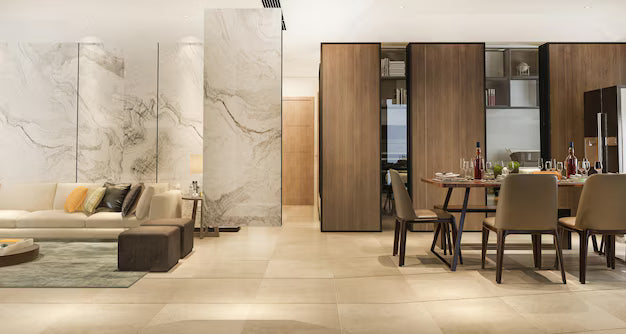
In living rooms, mosaic feature walls work best behind a sofa, around a fireplace surround, or as a media wall backdrop. A large-format mosaic sheet in a muted stone-look porcelain keeps the room grounded, while a glass mosaic in deep jewel tones adds contrast against light furniture. For rented spaces or smaller budgets, a single accent panel, floor to roughly chair-rail height, delivers the same visual punch as a full wall at a fraction of the material cost.
Bedroom Accent Wall Design Inspirations
Bedrooms benefit from mosaic on the headboard wall rather than the entire room, since a full mosaic surface can feel busy in a space meant for rest. Soft marble mosaics in warm neutrals, or matte glass in muted sage or clay tones, create texture without competing with bedding and soft furnishings. Vertical mosaic strips flanking a bed frame are another understated option that reads as custom millwork rather than "tile."
Dining Room & Entryway Feature Wall Ideas
Entryways and dining rooms can carry bolder mosaic choices than bedrooms, since they're transitional or shared spaces rather than places meant to feel calm. A geometric mosaic pattern on an entry wall sets the tone for the whole home and is one of the few places in a house where a high-contrast design doesn't risk feeling overwhelming day-to-day. In dining rooms, a mosaic accent behind a buffet or built-in shelving adds richness without competing with a dining table's sightline.
How Tile Colors and Shapes Change Visual Impact
Color and shape do more work on a mosaic wall than most homeowners expect:
-
Small tiles (under 1 inch): Add texture and shadow detail; best for smaller accent areas rather than full walls, where they can visually shrink a room.
-
Hexagon and penny-round shapes: Soften a room's geometry and work well in spaces with a lot of straight lines and hard edges.
-
Herringbone or chevron layouts: Create movement and make a wall feel taller or wider depending on orientation.
-
Dark, saturated colors: Make a wall recede visually, which is useful for a media wall you want furniture to stand out against.
-
Light, reflective tiles: Make a wall advance and feel closer, ideal for adding presence to a narrow or awkward wall.
Installation Tips for Long-Lasting Results
A mosaic feature wall lives or dies on prep work. The wall surface needs to be flat, clean, and free of old paint sheen that could prevent adhesive from bonding. For glass and porcelain mosaics, back-buttering each sheet (applying a thin layer of thin-set to the back of the mesh sheet in addition to the wall) reduces the risk of hollow spots and popped tiles later. Grout choice matters too a grout color close to the tile keeps the mosaic pattern as the star, while a contrasting grout emphasizes the shape and layout of individual tiles. Sealing grout lines within 48–72 hours of installation in kitchens and bathrooms prevents staining before it starts.
Common Design Mistakes to Avoid
The most frequent mosaic wall mistakes are avoidable with a bit of planning:
-
Covering too much wall. A mosaic on every wall in a room competes with itself; one true feature wall reads far more intentionally.
-
Ignoring scale. Tiny mosaic tiles on a very large wall can look busy from a distance; mixing in a larger-format border or trim tile helps break up the pattern.
-
Skipping a layout plan. Dry-laying a design on the floor first (or checking the sheet's repeat pattern) prevents awkward cuts at corners and ceiling lines.
-
Mismatched sheen. Combining a glossy mosaic with matte trim tile, or vice versa, without intention can make the wall look unfinished rather than layered.
-
Underestimating grout lines. More grout lines mean more visual "noise," a consideration worth weighing against how textured you want the finished wall to feel.
Conclusion
A mosaic feature wall is one of the highest-impact, lowest-regret upgrades a home can get it doesn't demand a full renovation budget, and it holds up for years when installed correctly. Whether you're drawn to the shimmer of glass, the quiet luxury of marble, or the practicality of porcelain, the right mosaic tile turns an ordinary wall into the room's best feature. Tiles & Deco carries glass, marble, and porcelain mosaic collections built for exactly this kind of project, along with $0.99 samples so you can see how a tile actually looks on your wall before committing to the full order.
FAQs
What are mosaic feature walls?
A mosaic feature wall is a single accent wall or a defined section of one covered in small-format tile (typically under 2 inches per piece) arranged in a pattern, rather than a single large tile or paint finish. It's used to draw the eye and add texture to an otherwise plain surface.
Which rooms are best for a mosaic accent wall?
Living rooms (behind a sofa or fireplace), bedrooms (headboard wall), entryways, and dining rooms all work well. High-humidity rooms like bathrooms also suit mosaic, provided the material and grout are moisture-rated.
Are glass mosaic tiles suitable for living rooms?
Yes. Glass mosaics are non-porous and easy to wipe clean, making them a low-maintenance option for living rooms, and their reflective surface is especially useful in rooms with limited natural light.
Which tile material lasts the longest?
Porcelain mosaic generally lasts the longest with the least upkeep, thanks to its very low water absorption rate and resistance to fading. Glass is a close second for durability, while natural marble requires periodic sealing to maintain its resistance to staining.
Can mosaic tiles be installed over existing walls?
In most cases, yes, provided the existing surface is flat, structurally sound, and properly primed. Glossy paint or uneven drywall seams should be addressed first, since mosaic sheets telegraph any imperfections in the wall beneath them.

Written by Tiles and Deco
READ MORE

Top Outdoor Patio and Garden Tile Trends for 2026
Outdoor patio and garden spaces are taking on a more refined role in home design for 2026. The latest tile trends are moving toward textured finishes, grounded colours, and surfaces that balance vi...
Read more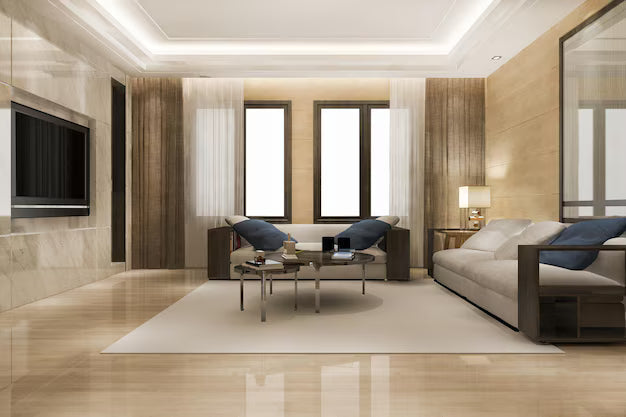
How to Match Wall and Floor Tiles for a Perfect Interior Design
The tile itself only tells half the story of how a project turns out the supplier behind it determines whether you get consistent product, accurate documentation, and support when something doesn'...
Read more