


Glass vs Ceramic Backsplash Tiles: Which Is Better for Your Kitchen?
Most kitchens end up with one of two backsplash materials: glass or ceramic. Both resist water and wipe clean, so the choice usually comes down to cost, installation and how the wall looks in your light. Glass vs ceramic backsplash tiles is a closer match than many guides admit. Glass is non-porous and bounces light around, and it costs more to buy and install. Ceramic is cheaper, easier for installers, and comes in far more shapes and finishes.
This guide compares the two on heat, cleaning, appearance, price and grout. You'll see cost ranges from 2026 guides, a worked 30 sq ft example, and a few details that rarely come up, like thinset color and chip behavior. Then you can match a material to your kitchen.
Glass And Ceramic Backsplash Tiles Explained
Ceramic tile is shaped from clay, glazed and fired. The glaze gives it color and most of its water resistance. Under ANSI A137.1, ceramic is sorted by water absorption, and the impervious class is 0.5% or less. Glass tile is melted and formed with essentially no absorption, so grease and moisture stay on the surface. Both come as single tiles or mosaic sheets.
Glass Backsplash Tiles: Benefits And Limitations
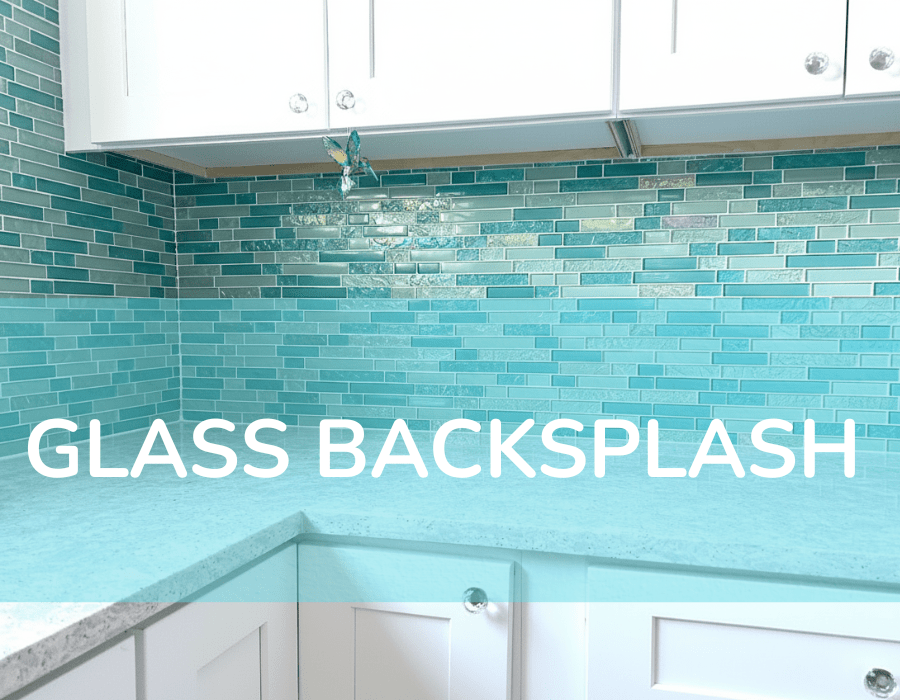
Glass gives the deepest color and a reflective surface that brightens the area under cabinets. It resists stains, and iridescent, metallic and translucent options are easy to find.
The trade-offs are real. Glass costs more, needs a careful installer, and chips at cut edges. It also shows the adhesive behind it. To compare colors and sheet sizes, start with a glass mosaic backsplash collection.
Ceramic Backsplash Tiles: Benefits And Limitations
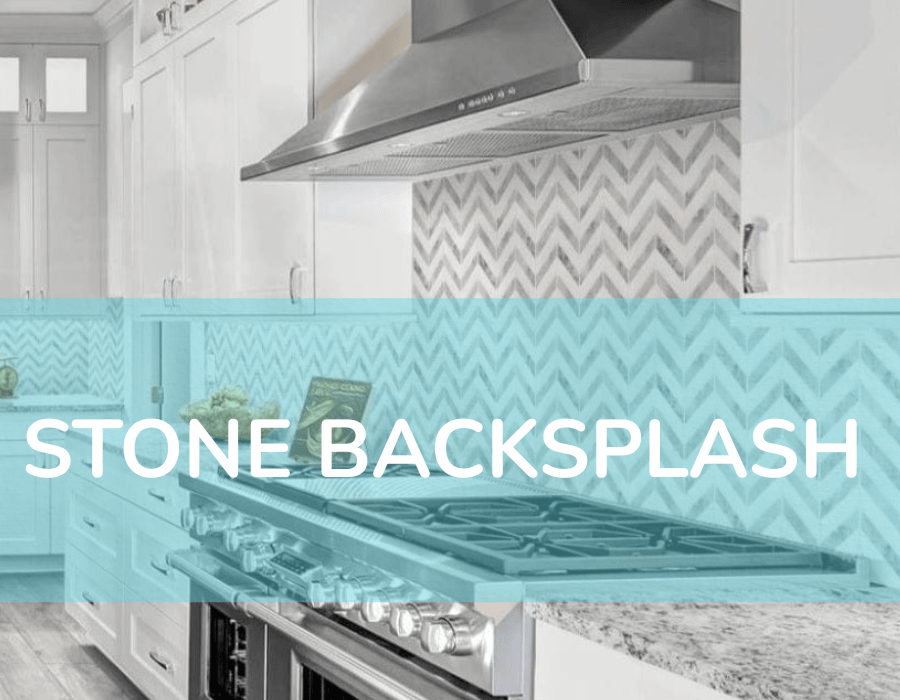
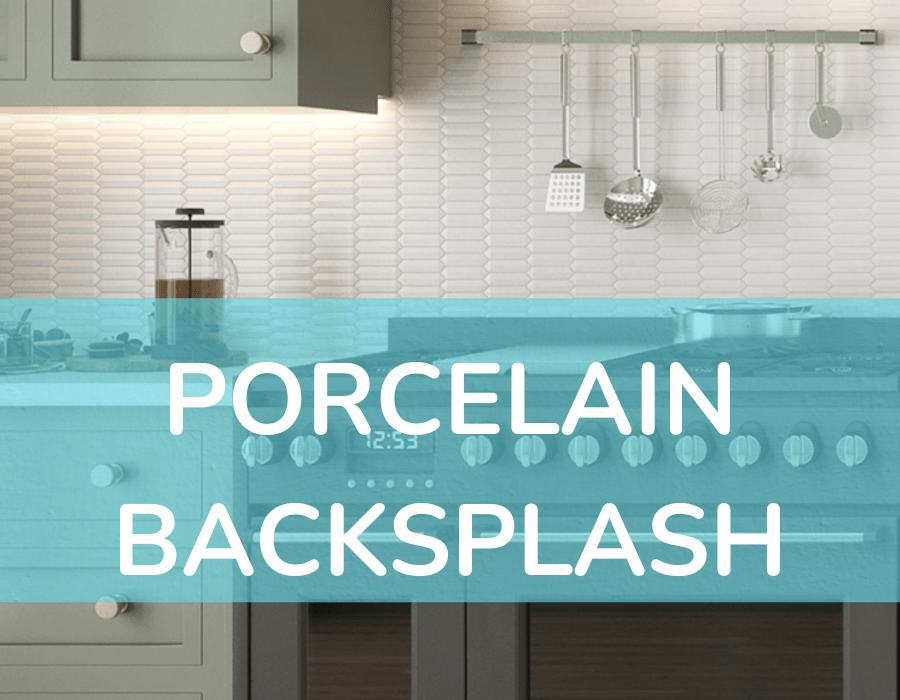
Ceramic costs less, cuts with standard tools, and comes in subway, zellige-style, handmade and large formats. A smooth glaze wipes clean, though crackle or textured glazes can hold grease. A chip shows the clay body underneath, which may differ in color from the glaze. Wall-grade ceramic also isn't meant for floors. Browse ceramic and porcelain wall tiles to compare formats and finishes.
Glass Vs Ceramic Backsplash Tiles: Side-By-Side Comparison
The table gives the short version, and the sections below explain the details.

Durability And Heat Resistance
Both materials are non-combustible and used behind ranges every day. With glass, thermal shock or poor adhesive near very high heat can cause problems, so check the maker's heat guidance for commercial-style ranges. Follow the clearance in your range manual either way. Ceramic usually needs no special checks, though the manufacturer's spec still applies. Glass chips at cut edges, while a ceramic chip shows the clay body.
Cleaning, Stains And Maintenance
Glass doesn't absorb, so splashes wipe off with a soft cloth and mild cleaner. Grout is the weak point. A 1 in mosaic carries roughly 22 ft of grout line per square foot, against about 2 ft for a 6 in tile. Sealed or epoxy grout cuts the upkeep. Skip abrasive pads on glass. Smooth-glazed ceramic cleans just as easily, and textured or crackle glazes need a soft brush.
Appearance, Colors And Finish
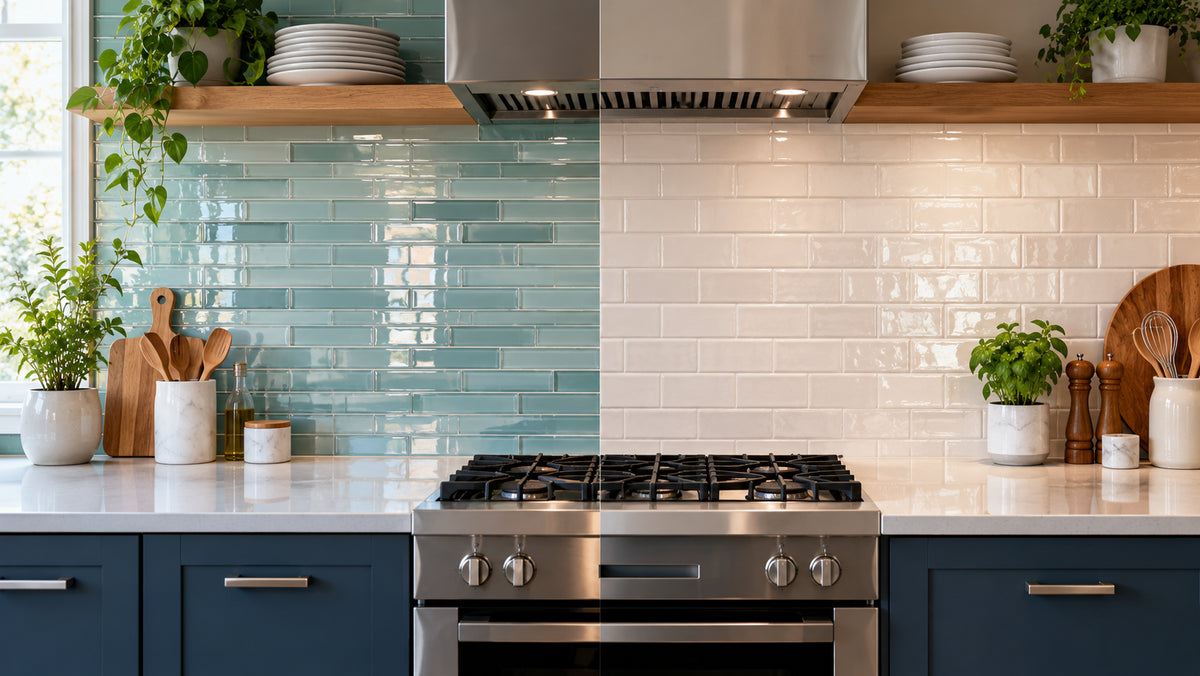
Glass suits modern kitchens and small spaces that need more light. Ceramic runs from glossy subway to matte and handmade looks with slight variation, which suits traditional and farmhouse styles. Larger kitchens can handle ceramic's texture without feeling dark.
Glass Vs Ceramic Backsplash Installation Cost
Published 2026 cost guides disagree widely, so treat every number as a range. One guide puts machine-made glazed ceramic at $1.25 to $15 per sq ft and glass mosaic at about $18 to $30. Another, citing HomeGuide, estimates a glass backsplash at $10 to $45 per sq ft including installation. Installer rates often run $40 to $100+ per hour.
Here's a quick example. A 30 sq ft wall plus 10% waste is 33 sq ft. At the material ranges above, that's about $41 to $495 for ceramic and $594 to $990 for glass mosaic, before labor, thinset and grout. Glass takes longer to cut and set, so labor tends to rise too.
Installation And Grout Considerations
Glass mosaics are translucent, so the adhesive shows through. Installers use white thinset, an even trowel pattern and a wet saw with a glass blade. Ceramic sets with standard thinset and is easier to cut.
Grout color changes the finished look. A matching grout makes glass read as one surface, and a contrasting grout outlines every tile. Epoxy grout resists stains and grease and needs no sealing, which helps behind the cooktop and sink. Use matching silicone caulk, not grout, where the tile meets the countertop.
Best Backsplash Tile For Busy Kitchens
Busy kitchens need surfaces that survive splatter and quick wipe-downs. Glazed ceramic in a medium or large format with epoxy grout is the lowest-risk, lowest-cost pick, since larger tiles mean fewer joints. Glass mosaic works well too if the grout is epoxy and the wall behind the cooktop gets wiped weekly.
How To Choose Kitchen Wall Tiles For Your Style
Start with your cabinets, counters and light. Dark cabinets and stone counters pair well with glossy glass or white ceramic. Bright kitchens suit soft ceramic or handmade textures. Order samples and look at them on the wall in morning and evening light. Tiles and Deco lists samples at $0.99 each plus shipping.
Final Verdict: Glass Or Ceramic Backsplash?
Choose glass for color depth and light, if the budget covers professional installation. Choose ceramic for value, variety and easier cutting. Both work behind a range when installed to the manufacturer's spec. On a tight budget, ceramic wins. For a statement wall, glass does.
Conclusion
Glass vs ceramic backsplash tiles comes down to budget, install skill and the look you want. Glass costs more and rewards good grout. Ceramic saves money and offers more variety. Get samples, ask for heat and installation guidance, and decide on the wall.
FAQs
Is Glass Or Ceramic Better For A Kitchen Backsplash?
Neither wins everywhere. Glass is non-porous and reflective but costs more. Ceramic is cheaper, easier to install and offers more styles. Pick by budget and look.
Is Glass Tile Backsplash Harder To Clean Than Ceramic?
No. Glass wipes clean easily. Grout lines are the main cleaning task, so epoxy or sealed grout helps. Avoid abrasive pads on glass.
Can Glass Backsplash Tile Go Behind A Stove?
Usually yes, when installed to the manufacturer's spec. Check heat guidance and your range manual, especially for high-output ranges.
How Much Does A Glass Vs Ceramic Backsplash Cost?
Glass typically costs more. Guides list glazed ceramic at about $1.25 to $15 per sq ft and glass mosaic near $18 to $30, before labor. Prices vary.
Do Glass Backsplash Tiles Need Special Installation?
Yes. Installers typically use white thinset, an even trowel pattern and a wet saw with a glass blade. Hire an installer with glass experience.

Written by Tiles and Deco
READ MORE
How to Choose Slip-Resistant Tiles for Pool Steps and Decks
A wet pool step is one of the easiest places to fall, and the surface under your feet decides how bad it gets. Bare feet, water and a change in level all meet there. Slip-resistant pool tiles give ...
Read more
Shower Wall Tiles vs Floor Tiles: What Makes Them Different?
Shower wall tiles and floor tiles can look identical on a sample board, but they aren't interchangeable. Walls mainly need to shed water and clean easily. Floors also have to give traction when wet...
Read more