





How to Choose the Right Tile Size for Small Bathrooms
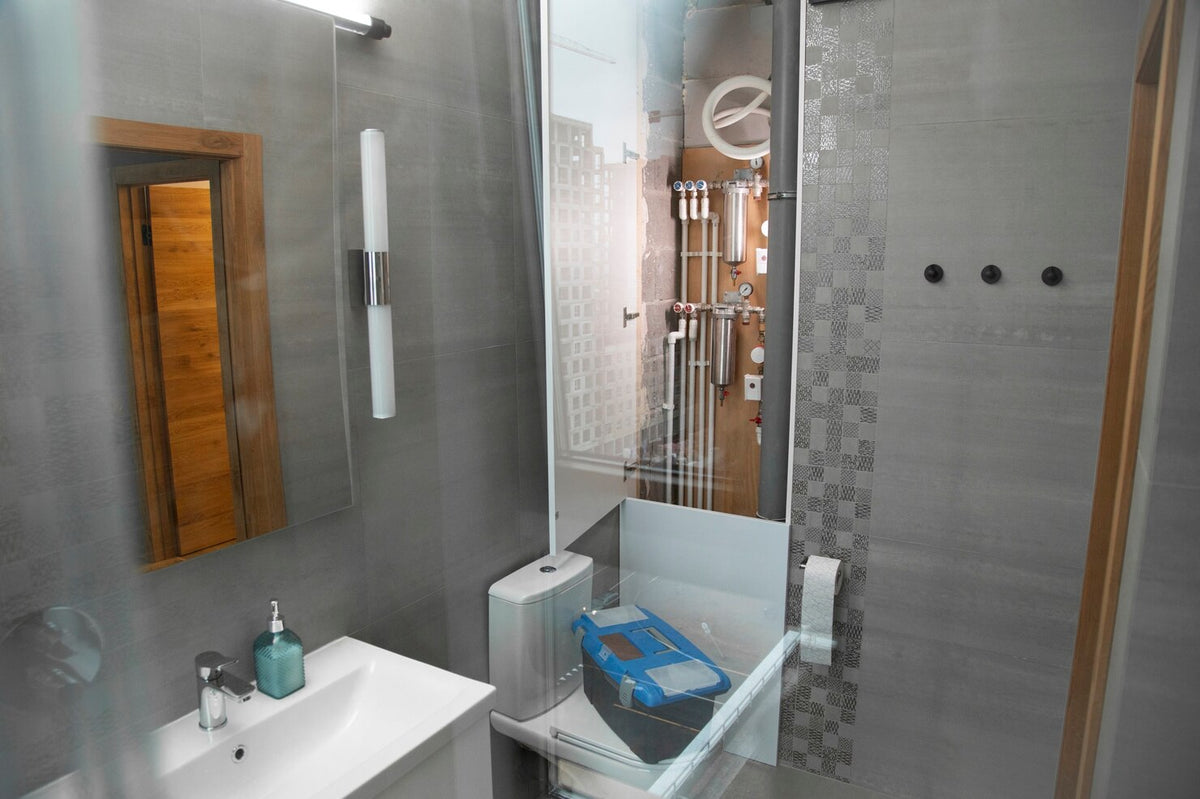
Choosing the right tile size can completely change how a small bathroom feels. The wrong choice may make the space look broken up or too busy, while the right one can create a cleaner and more balanced finish. The key is to think beyond size alone and consider layout, color, and where the tile will be used.
Introduction
A lot of people assume tiny rooms need tiny tiles. That sounds logical, but it often leads to a bathroom that feels busy the moment everything is installed. The real decision is not just about going small or large. It is about choosing a size that works with the room’s shape, the layout, the floor area, and the overall finish you want. The best small bathroom tiles do not fight the space. They help it feel calmer, more balanced, and easier on the eye.
Common Mistakes People Make When Choosing Small Bathroom Tiles
One of the biggest mistakes is choosing tile size in isolation. A tile may look great in a sample, then feel wrong once it is repeated across every wall. Another common issue is using too many styles in one compact room. That creates visual noise fast.
A few mistakes worth avoiding:
-
Picking a tile only because it looks trendy online.
-
Ignoring how much cutting will happen around corners and fixtures.
-
Mixing bold finishes on walls, floors, and niches all at once.
-
Treating grout color as an afterthought.
These details matter because a tighter room has less space to hide a poor choice.
Modern Small Bathroom Tiles That Make the Space Look Bigger
The most effective modern small bathroom tiles usually create visual continuity rather than interruption. That is why clean-lined formats often work better than highly fussy surfaces. A tile with a smooth finish, soft texture, or subtle pattern can make the room feel more composed without trying too hard.
Modern bathrooms also benefit from restraint. Instead of forcing a statement tile across every surface, it is often smarter to let one wall or one feature do the talking. That gives the eye somewhere to land without making the room feel overdesigned.
Tile Patterns That Work Best in Small Bathrooms
Pattern direction changes how the room is read. This is where many shoppers overlook the real design power of tile. Size matters, but layout can completely change the result.
Useful tile patterns for small bathrooms include:
-
Vertical stack layouts for a taller-looking wall.
-
Horizontal placement for a broader visual sweep.
-
Simple brick patterns for a softer, less rigid look.
-
Accent mosaics in one contained area, not everywhere.
The trick is to let the pattern support the room, not compete with it.
Small Bathroom Floor Tiles That Don’t Make the Space Look Crowded
Floor tile needs a different kind of thinking. It has to deal with scale, movement, and practicality at the same time. The wrong floor choice can chop the room up visually, even when the walls are done well.
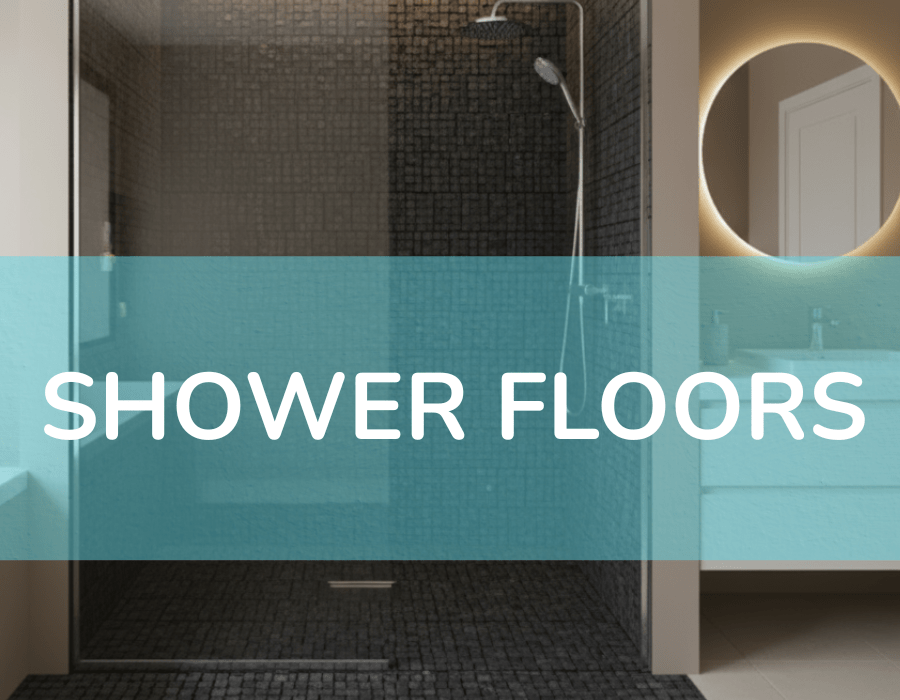
Good small bathroom floor tiles usually keep the floor looking settled rather than fragmented. Medium formats often work well because they avoid the overly busy effect that can happen with tiny pieces across the main walking area. Smaller tiles may still make sense in shower zones or areas where slip resistance and slope matter more, but they need careful use.
Budget-Friendly Small Bathroom Tile Ideas for Modern Homes
A stylish result does not always require premium tile on every surface. Some of the smartest small bathroom tile ideas come from knowing where to spend and where to simplify.
Try approaches like these:
-
Use a feature tile in the shower area only.
-
Pair a simple field tile with one decorative strip or niche.
-
Choose a classic shape that will not date quickly.
-
Keep the palette controlled so the finish feels more intentional.
These are the kind of small bathroom renovation tips that help stretch the budget without making the room feel plain.
Choosing the Right Colors for Small Bathroom Tiles
Color changes the mood of the room before size even has a chance to speak. Pale neutrals, warm whites, soft greys, and muted stone tones often help compact bathrooms feel easier and lighter. That does not mean dark shades are off limits. They simply need more control.
A darker tile can work beautifully when it is balanced with cleaner lines, better lighting, or a limited application. In many cases, the strongest result comes from choosing a colour that feels steady rather than dramatic.
Which Tile Size Is Best for Small Bathrooms?
There is no single answer that works for every bathroom. In many cases, medium to larger wall tiles help create a more composed look because they reduce visual interruption. Floors need more context. The right choice depends on the layout, the shower area, and how much detail the room can handle without feeling cluttered.
The best way to decide is to stop asking which size is “correct” and start asking which size suits the full design plan. That is usually where better results begin.
Conclusion
Choosing tile size for a compact bathroom is really about balance. Size, layout, floor use, color, and budget all shape the final result. When those elements work together, the room feels far more considered. For homeowners looking for bathroom inspiration and a wide selection of tile styles, Tiles and Deco offers options that make that decision easier to explore.

Written by Tiles and Deco
READ MORE
Tile Flooring Maintenance Tips to Keep Them Shiny
Achieving a lasting glow on your floors is less about aggressive scrubbing and more about smart, consistent preservation. The secret to a high-end finish lies in removing the microscopic grit and s...
Read more
Latest Glass Mosaic Tile Ideas to Upgrade Your Home Interior
Glass mosaic tiles may not be just a decoration on the surface. They provide colour, texture, and depth in a manner that makes the kitchens, bathrooms and accent walls seem more refined and well th...
Read more