



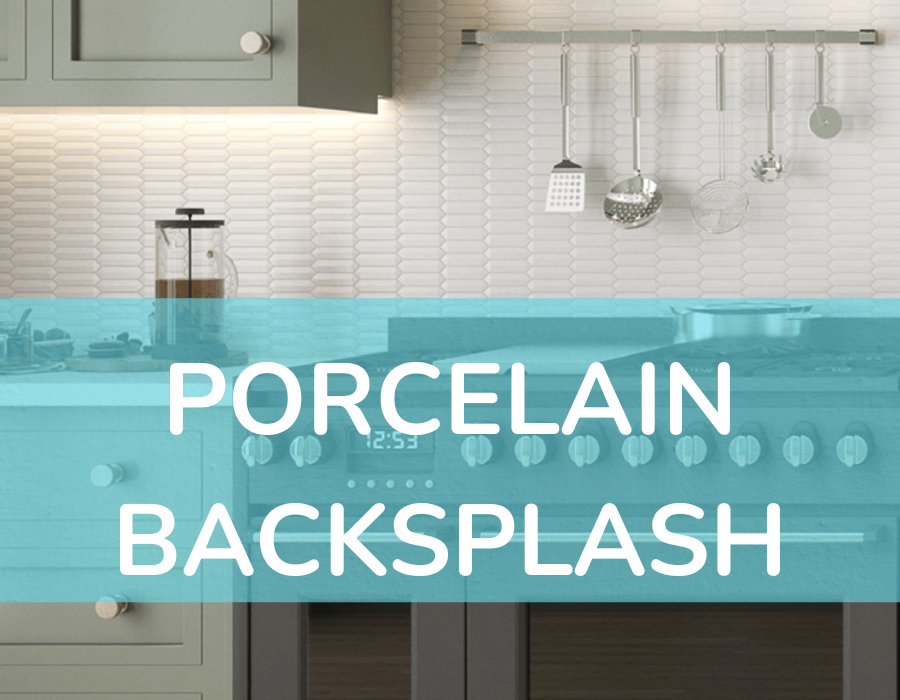


How to Match Wall and Floor Tiles for a Perfect Interior Design
The tile itself only tells half the story of how a project turns out the supplier behind it determines whether you get consistent product, accurate documentation, and support when something doesn't go as planned. With the global ceramic tile market valued at over $226 billion and continuing to grow, per Grand View Research, buyers now have more options than ever, which makes knowing how to evaluate a tile supplier more important and not less.
Why Choosing the Right Supplier Matters
A great tile choice can still fail on-site if the supplier can't deliver consistent colour palettes, doesn't stand behind product defects, or ships damaged material with no clear resolution process. For commercial and hospitality-scale projects especially, a supplier's reliability directly affects installation timelines a missing or mismatched shipment can delay an entire project. For residential buyers, supplier quality shows up in smaller but still real ways: accurate color representation, responsive customer service, and a straightforward return or sample process before committing to a full order.
Evaluating Product Quality
Product quality isn't just visual it's measurable. Reputable suppliers can provide water absorption rates, PEI hardness ratings, and DCOF slip-resistance data for their tile, rather than relying on marketing language alone. For porcelain specifically, a water absorption of 0.5% or less, in line with ANSI A137.1, is the benchmark worth confirming before buying, since porcelain labeling isn't universally regulated and mislabeled product does occasionally reach market.
Certifications and Manufacturing Standards
Third-party certification is one of the clearest signals of a trustworthy manufacturer or supplier. Look for compliance with ANSI A137.1 (the North American standard for ceramic tile specifications) and, where porcelain is being sold as such, certification through the Porcelain Tile Certification Agency (PTCA), a joint program of the Tile Council of North America and the Ceramic Tile Distributors Association established specifically to verify porcelain water-absorption claims. ISO 13006 is the equivalent international standard for tile specification, relevant for suppliers sourcing or exporting globally.
|
What to Check |
Why It Matters |
Where to Find It |
|
ANSI A137.1 compliance |
Confirms tile meets North American specification standards |
Product spec sheet or supplier documentation |
|
PTCA certification |
Verifies porcelain water-absorption claims independently |
Porcelain Tile Certification Agency directory |
|
PEI rating |
Confirms suitability for intended traffic level |
Product listing or spec sheet |
|
DCOF rating |
Confirms slip resistance for floor applications |
Product spec sheet, especially for wet areas |
Product Range and Customization Options
A supplier's range matters most when a project spans multiple rooms or zones that each need a slightly different tile matching floor and wall tile, coordinating indoor and exterior-rated pavers, or sourcing both a mosaic accent and a large-format field tile from a cohesive collection. Suppliers who offer both breadth (multiple materials and finishes) and depth (enough stock in a given line to complete a full project without running short) reduce the risk of a mid-project scramble to find a close-enough substitute.
Delivery, Logistics, and Customer Support
For commercial tile sourcing especially, reliable delivery timelines and clear communication about lead times matter as much as the product itself, since installation crews are frequently booked around an expected delivery date. Ask directly about typical lead times, how backorders are communicated, and what happens if a shipment arrives with damaged or short-count product a supplier's answer to that last question is often the clearest indicator of how they'll handle problems if one comes up on your project.
Questions to Ask Before Buying
- Can you provide water absorption, PEI, and DCOF data for this specific product?
- What's your typical lead time, and how do you communicate delays?
- Do you offer samples before a full order, and what do they cost?
- What's your policy on damaged shipments or dye-lot mismatches between boxes?
- For larger projects: can you guarantee consistent supply for the project's full duration?
Red Flags to Watch Out For
A few warning signs are worth taking seriously during supplier evaluation: reluctance or inability to share basic technical specifications, prices that sit dramatically below the rest of the market with no clear explanation, vague or evasive answers about return and defect policies, and a lack of any visible certification or standards compliance for products marketed as porcelain or commercial-grade. None of these alone is necessarily disqualifying, but more than one appearing together is a reasonable reason to look elsewhere.
Conclusion
Choosing a tile supplier well means looking past the product photos to the documentation, certifications, and support behind them especially for anything marketed as porcelain, commercial-grade, or slip-rated. A supplier who can answer technical questions directly and stands behind their product is worth more than a marginally lower price with none of that backing. Tiles & Deco has supplied residential and commercial tile projects since 2015, with documented specifications available on request and $0.99 samples so you can verify color and quality before placing a full order.
FAQs
How can I verify tile quality?
Ask for water absorption, PEI, and DCOF specifications directly, and look for third-party certifications like PTCA (for porcelain) or ANSI A137.1 compliance rather than relying on product descriptions alone.
Do manufacturers provide installation guidance?
Many reputable suppliers and manufacturers do provide installation recommendations, including appropriate thin-set, grout type, and substrate guidance, particularly for specialty applications like pools or exterior use.
What factors affect tile pricing?
Material type (porcelain, ceramic, glass, natural stone), manufacturing origin, finish complexity, and order volume are the primary drivers of tile pricing, along with current shipping and raw material costs.
How do I compare multiple tile suppliers?
Compare on documented technical specifications first, then on price, lead time, sample availability, and stated policies for damaged or mismatched shipments price alone is an unreliable way to compare suppliers offering products of different actual quality.

Written by Tiles and Deco
READ MORE
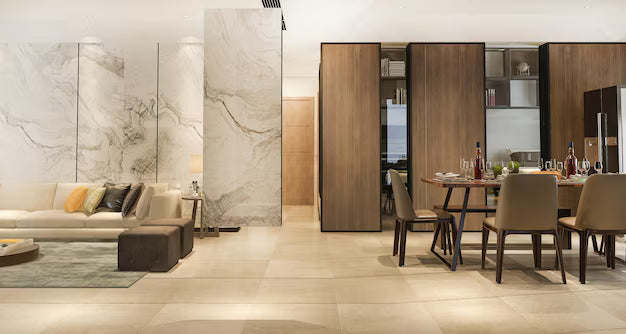
10 Stunning Feature Wall Ideas Using Mosaic Tiles in Modern Homes
A blank wall is wasted square footage. Mosaic tile turns that same wall into the focal point of a room without the cost or commitment of a full renovation. Whether you're refreshing a living room, ...
Read more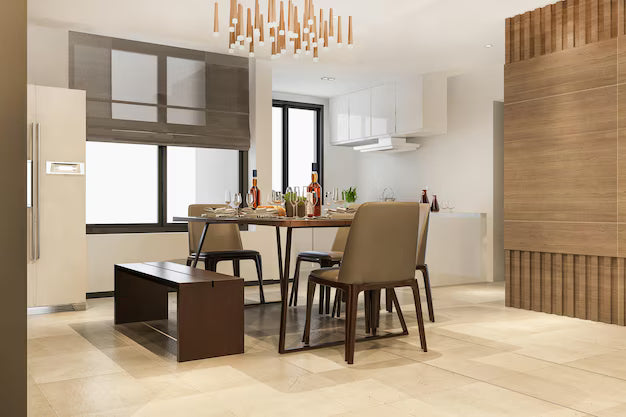
Top Tile Design Trends That Will Transform Homes in 2026
Tile has quietly become one of the most active categories in home design. It's no longer just a durable surface choice it's where homeowners and designers are experimenting most, from bold kitchen...
Read more
Leave a comment
This site is protected by hCaptcha and the hCaptcha Privacy Policy and Terms of Service apply.