Shower Floor Tile: What to Check Before You Buy
A shower floor tile has one functional job a wall tile doesn't: it has to hold traction under running water while sloping evenly toward the drain. That difference shapes the size of tile that fits comfortably, how the grout pattern is laid out, and which materials are actually certified for wet-floor use. Porcelain, glass mosaic, and natural stone can all work as a shower floor tile, but suitability comes down to the specific product's floor rating and slip-resistance data, not the material category alone. Here's what to check before choosing one.
How to Choose a Non-Slip Shower Floor Tile
Picking a shower-floor-suitable tile comes down to three checks: how much traction the surface actually provides when wet, whether the tile size works with the shower pan's slope and drain, and how much upkeep the material needs once it's installed. None of these checks replace the manufacturer's own wet-area and floor-use documentation, but running through them first narrows the field fast, especially when comparing tiles that look similar but aren't rated the same way for floor use. The table below is a quick reference; the detail underneath goes further on each one.
|
Check
|
What to Look For
|
Why It Matters
|
|
Slip resistance
|
DCOF rating, referenced against the ANSI A137.1 wet-area standard
|
A higher DCOF is a useful comparison point, but confirm the product's own floor and wet-area certification too
|
|
Tile size and slope
|
Smaller formats, such as 1"x1" to 2"x2" mosaics, versus large-format tile
|
Smaller tile generally follows a sloped shower pan more easily, though drain type and installation system still matter
|
|
Material and maintenance
|
Porcelain, natural stone, or glass mosaic
|
Each material has different sealing and upkeep needs, and not every product within a material is floor rated
|
1. Check the product's slip-resistance rating. Look for a DCOF (dynamic coefficient of friction) rating, referenced against the ANSI A137.1 standard for wet-area suitability. A higher number is a decent comparison point, but it's not a guarantee on its own. "Textured" or "matte" in a product description doesn't automatically mean it's floor-rated, so it's worth confirming that certification directly before ordering. That certification, more than the finish name on the box, is what actually makes something a non slip shower floor tile instead of just a nice-looking one.
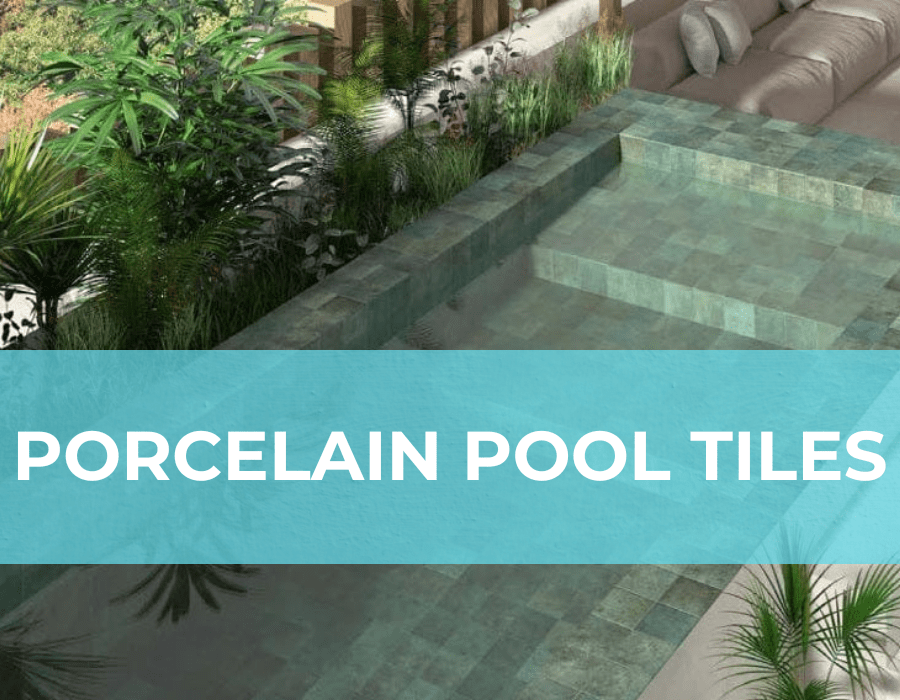
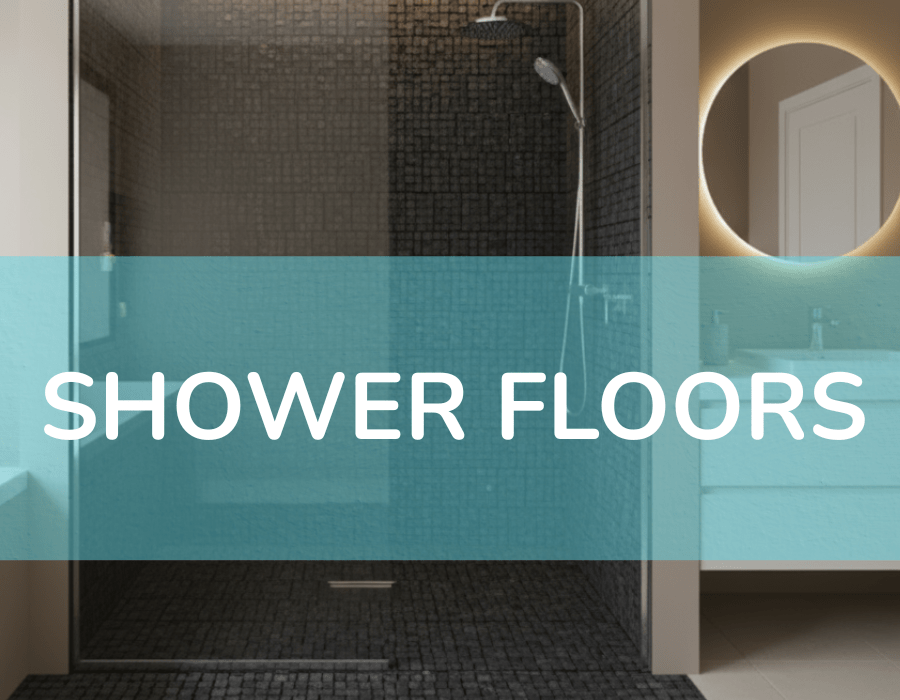
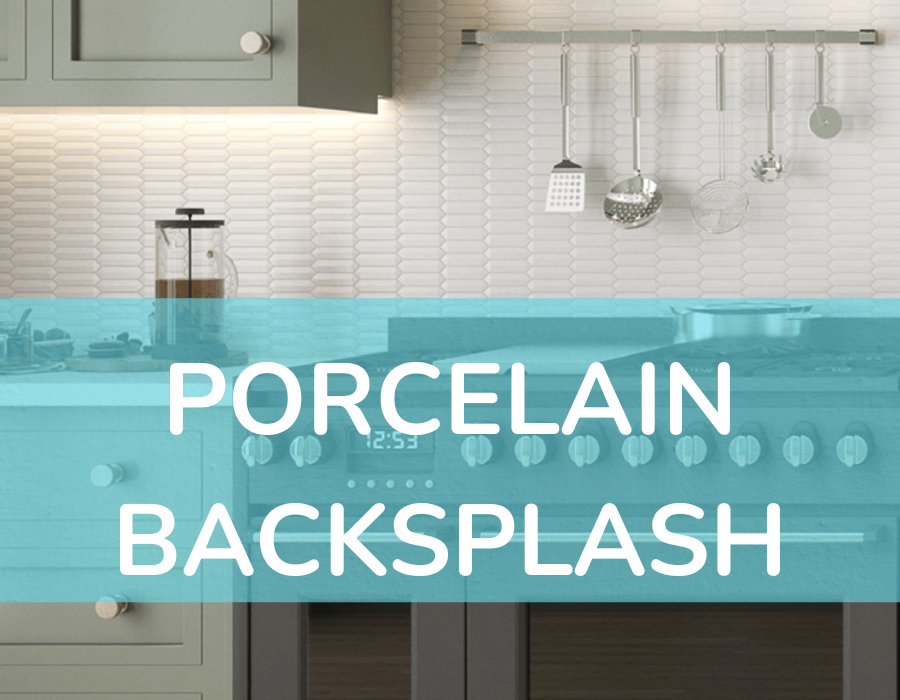
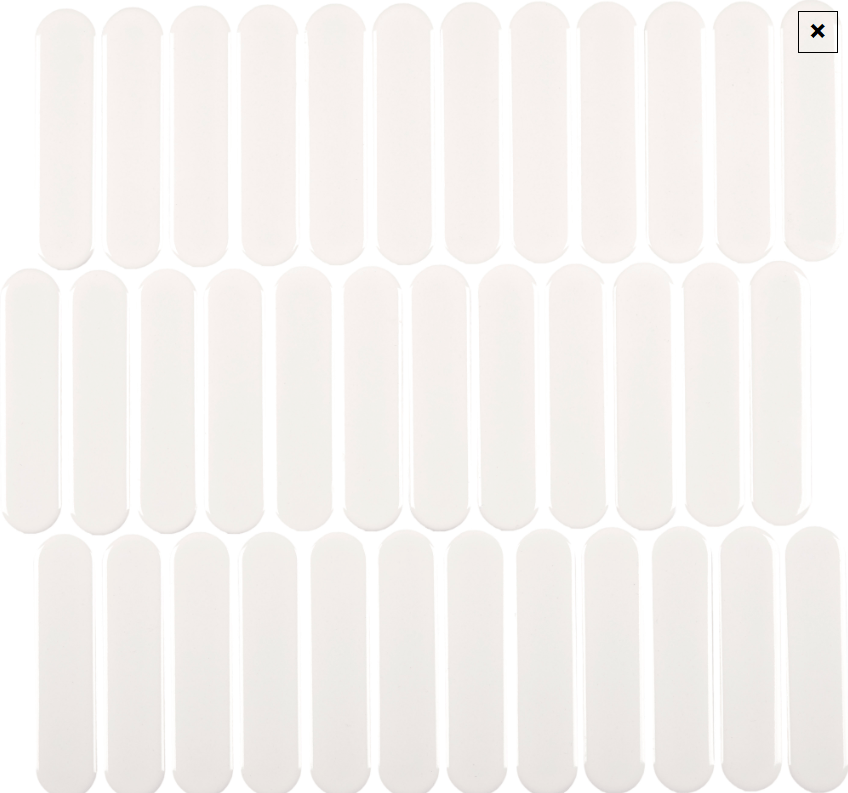
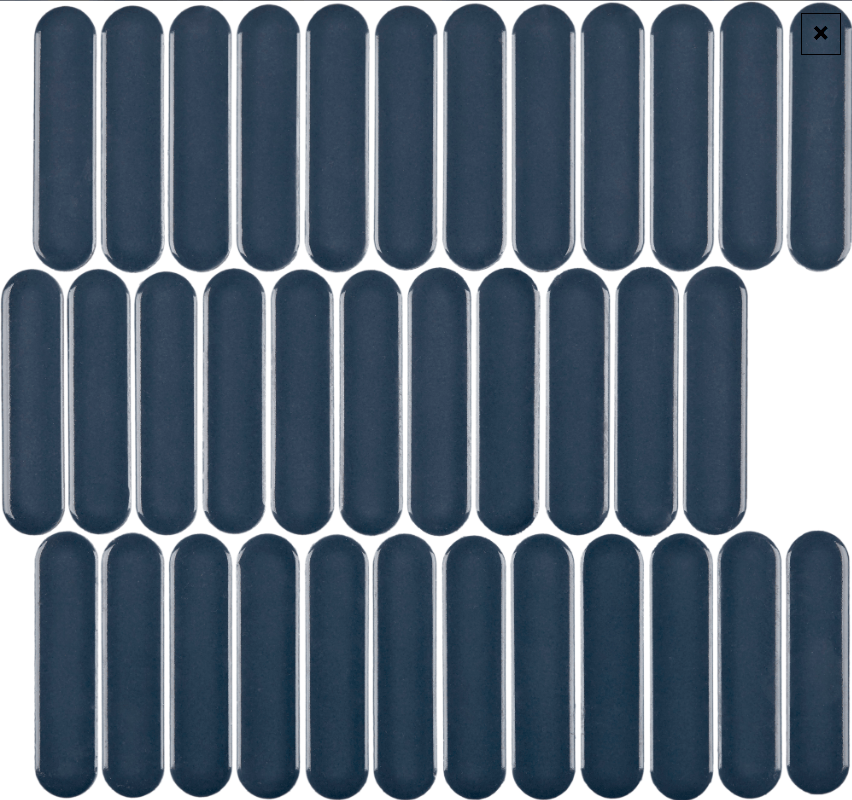
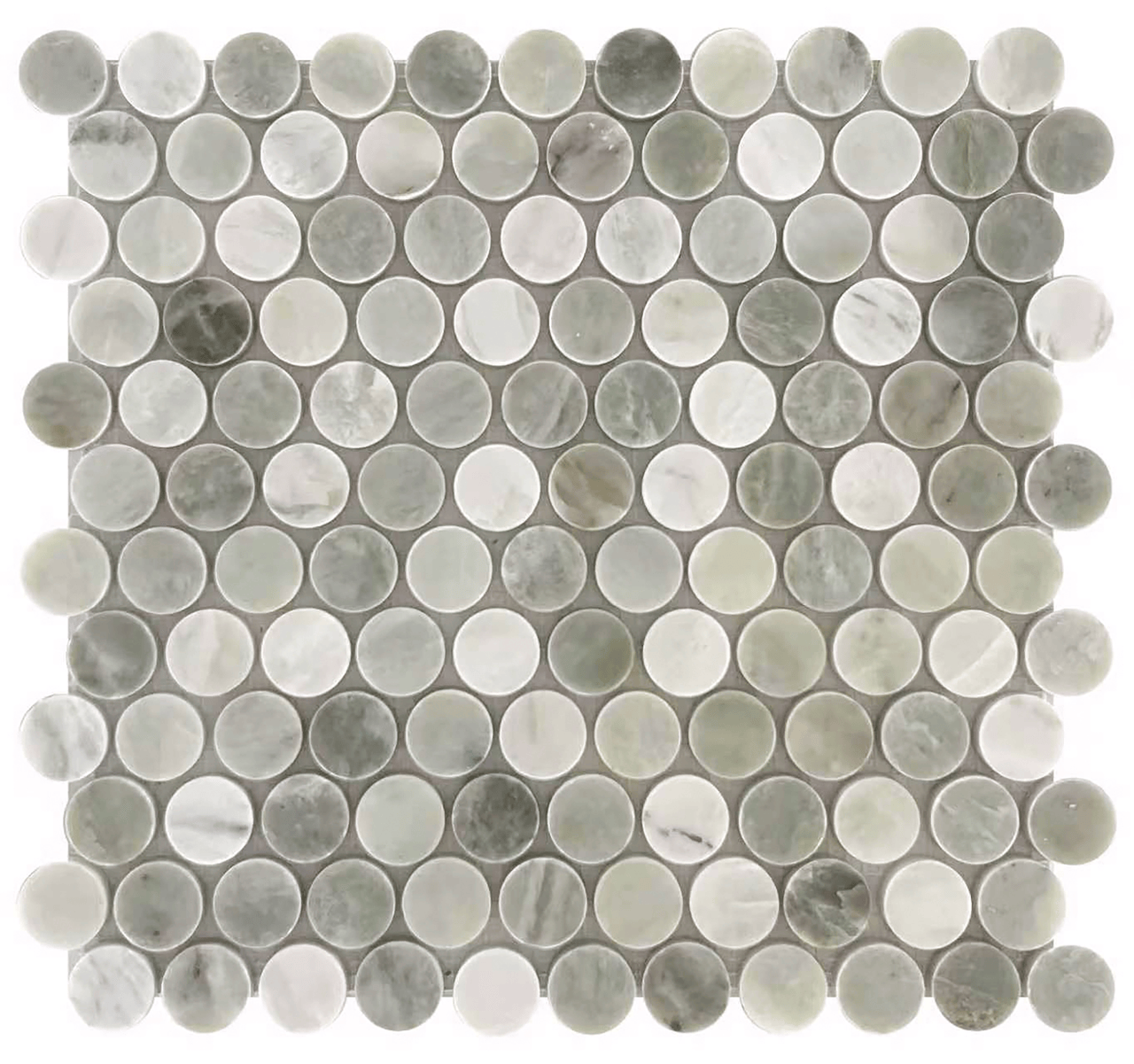
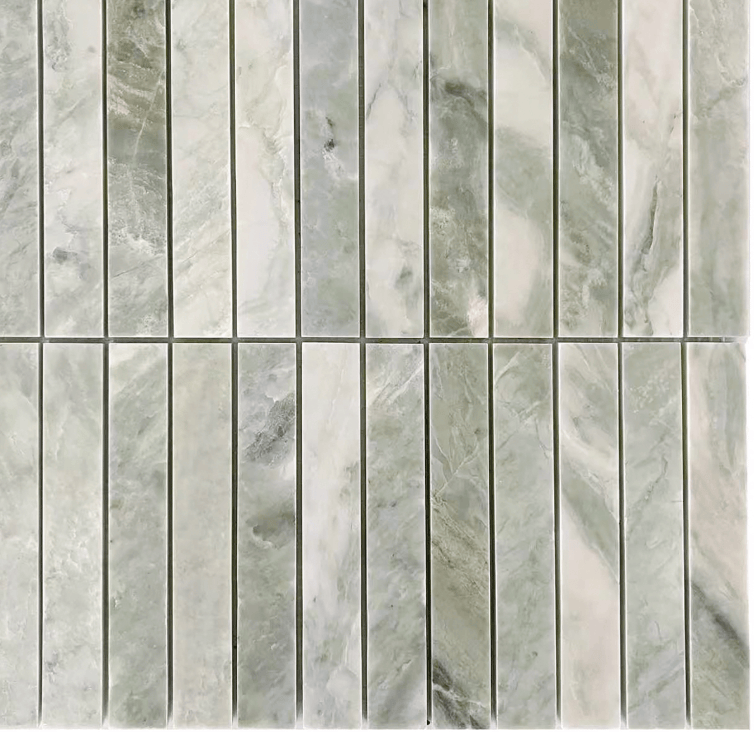
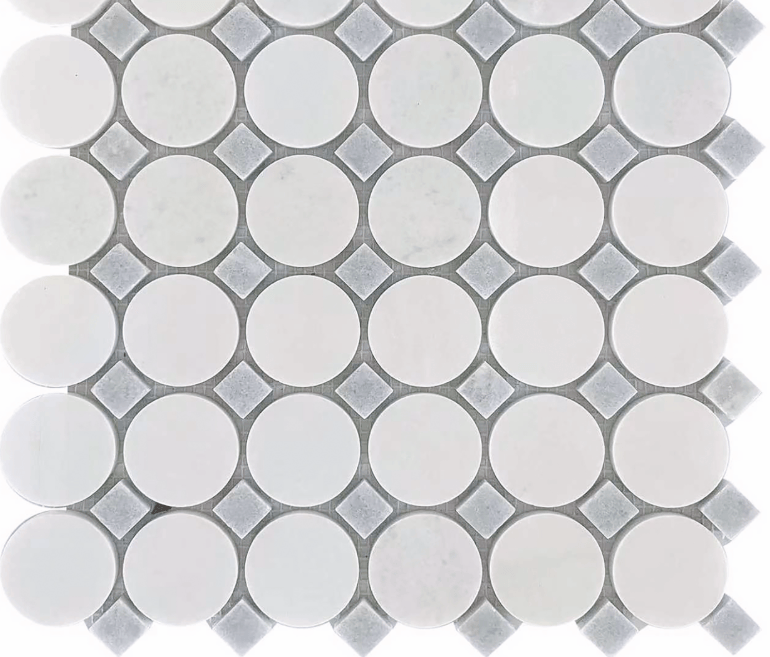
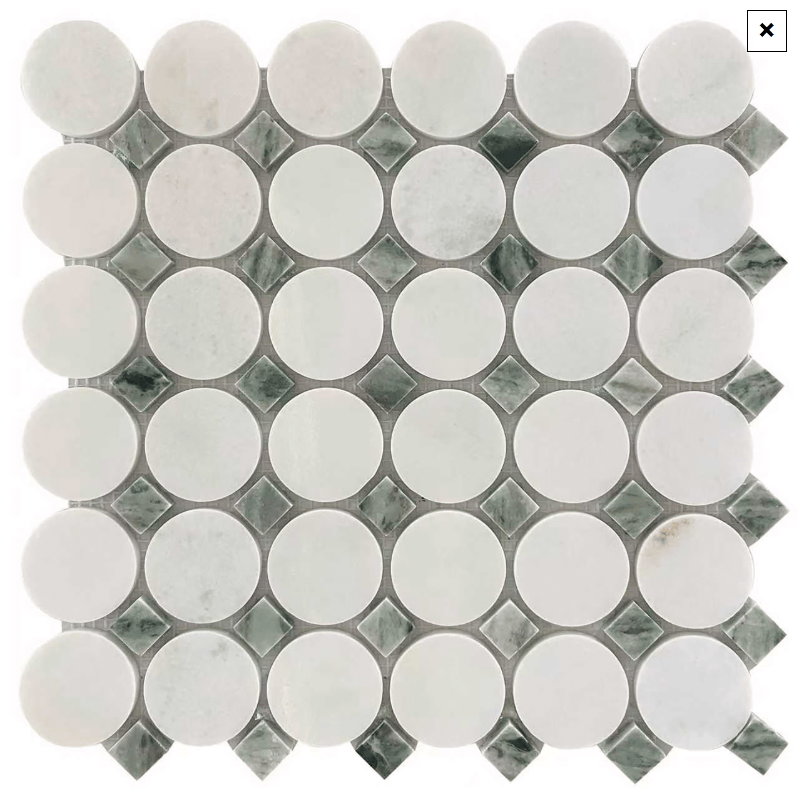
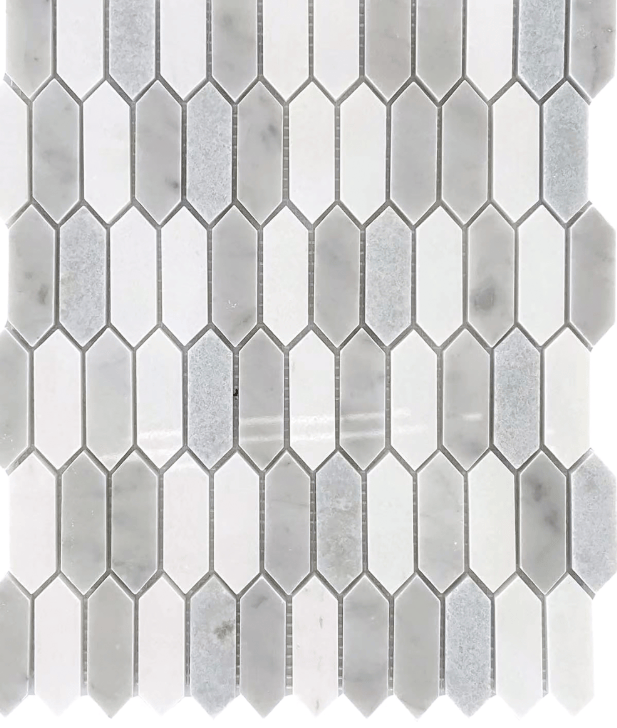
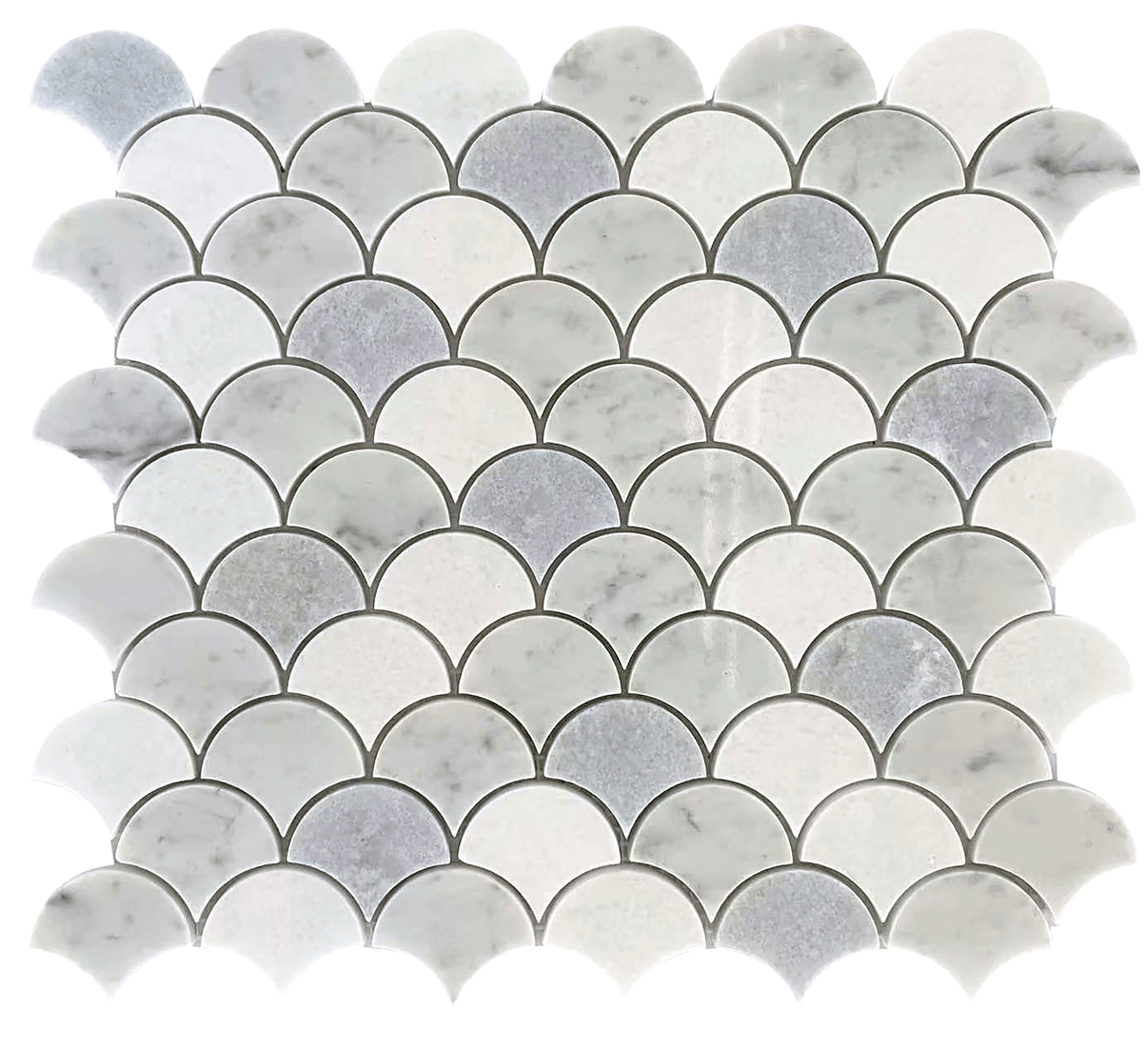
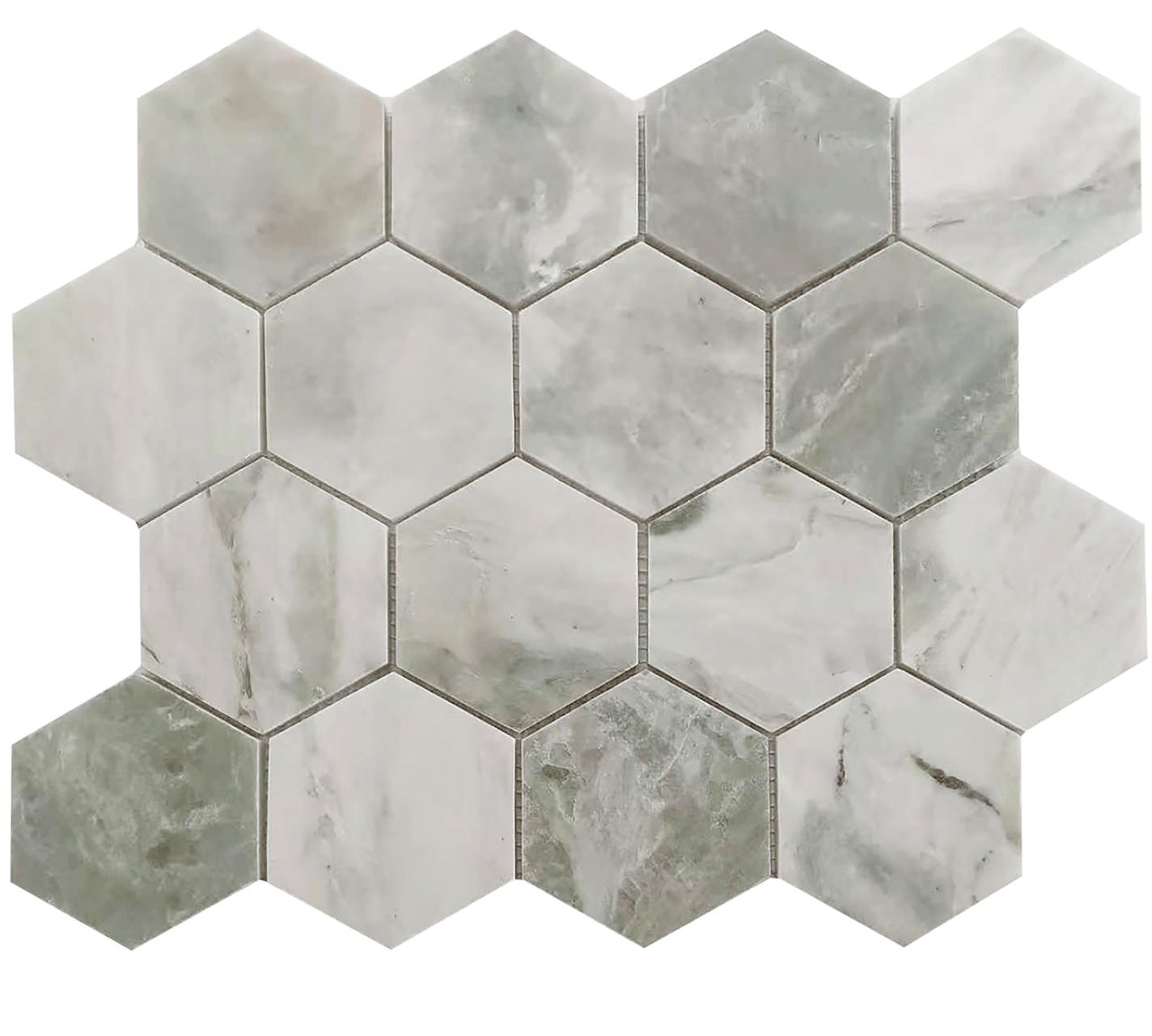
2. Slope and drain matter just as much as size. Smaller tiles, mosaics in the 1"x1" to 2"x2" range especially, tend to follow a sloped shower pan more easily than large-format tile, and the extra grout lines help with traction too. A porcelain mosaic shower floor is one of the more common ways to get that smaller format without giving up durability. But the right size still depends on the drain type and how the tile's actually installed. If there's any doubt, ask the installer. They'll know what fits a specific shower base better than a spec sheet will.
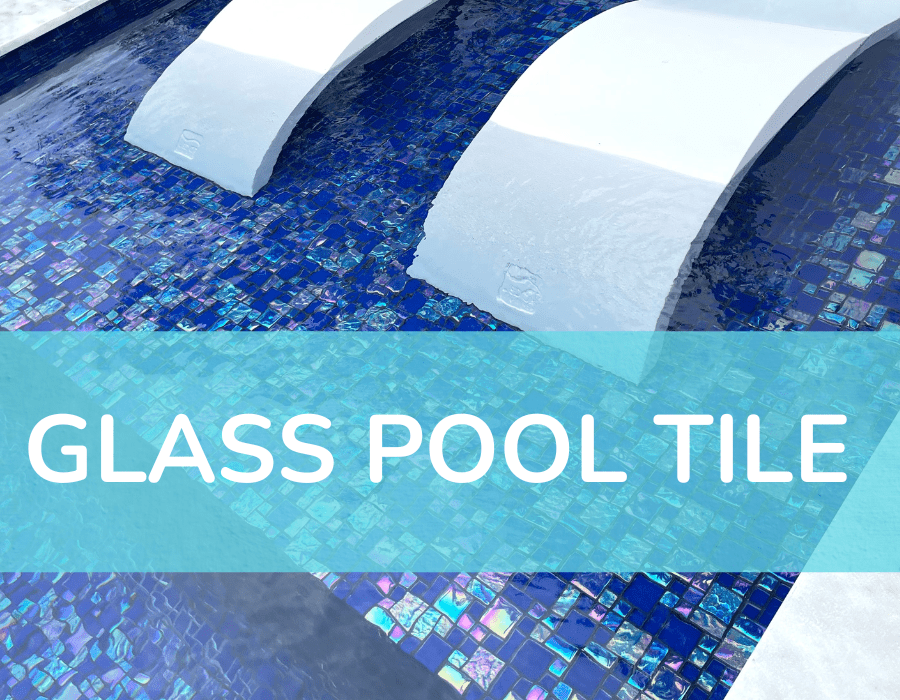
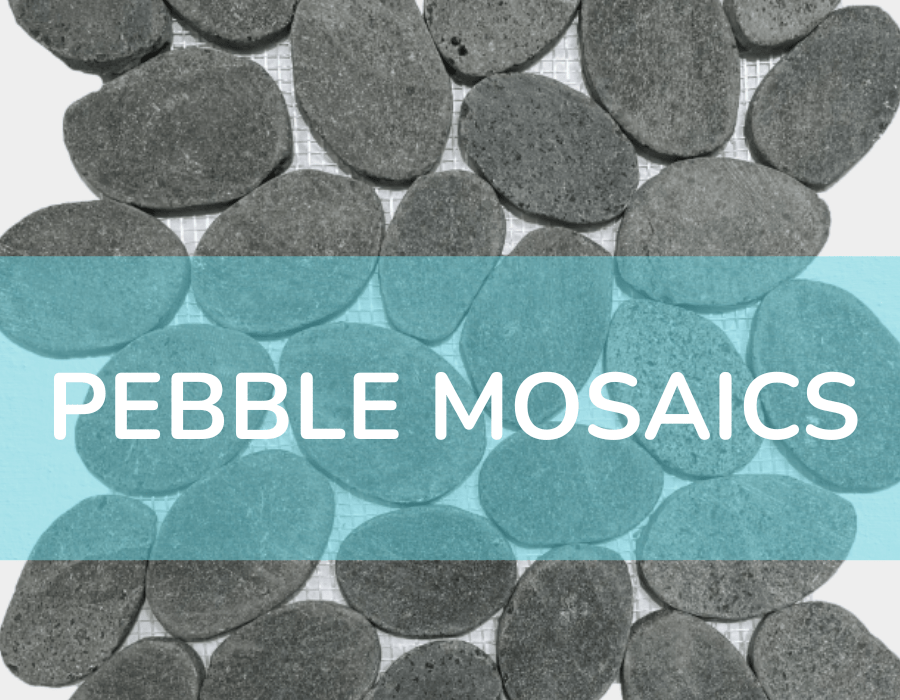
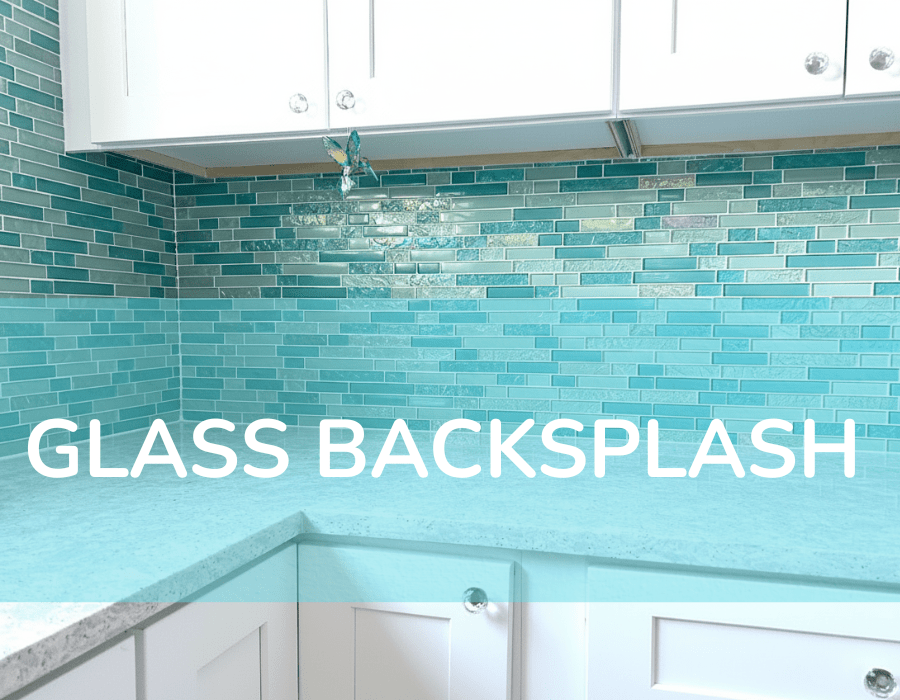
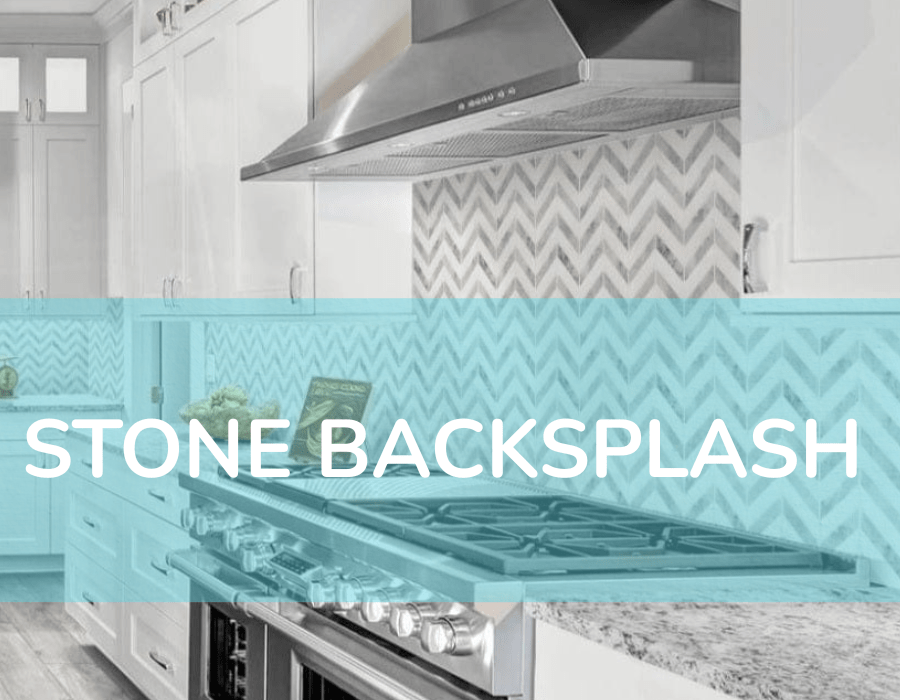
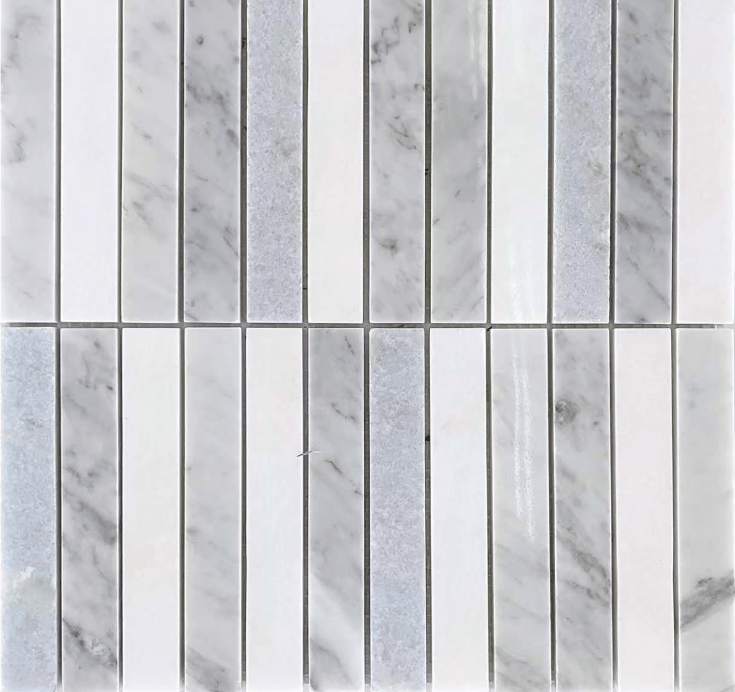
3. Then there's upkeep. Pick a material that fits how much maintenance you're willing to do. Once slip rating and size are sorted, maintenance is usually what decides the final shower tile pick. Porcelain holds up well against water and doesn't ask for much upkeep, though the grout around it can still need sealing now and then. Natural stone looks warmer but wants regular sealing to stay slip-resistant and stain-free. Glass mosaic can be a great look for a shower floor, just not every glass product is actually rated for that use, so it's worth checking the spec sheet before it goes on a floor instead of a wall.
FAQs
What is the best tile for a shower floor?
Porcelain and small mosaics are common picks for a shower floor tile, but check each product's DCOF rating and floor certification before you buy.
Are small mosaic tiles better for shower floors?
Often, yes. Smaller format and extra grout lines grip a sloped pan better than large tile, though drain type and installation still play a part.
Do shower floor tiles need to be different from wall tiles?
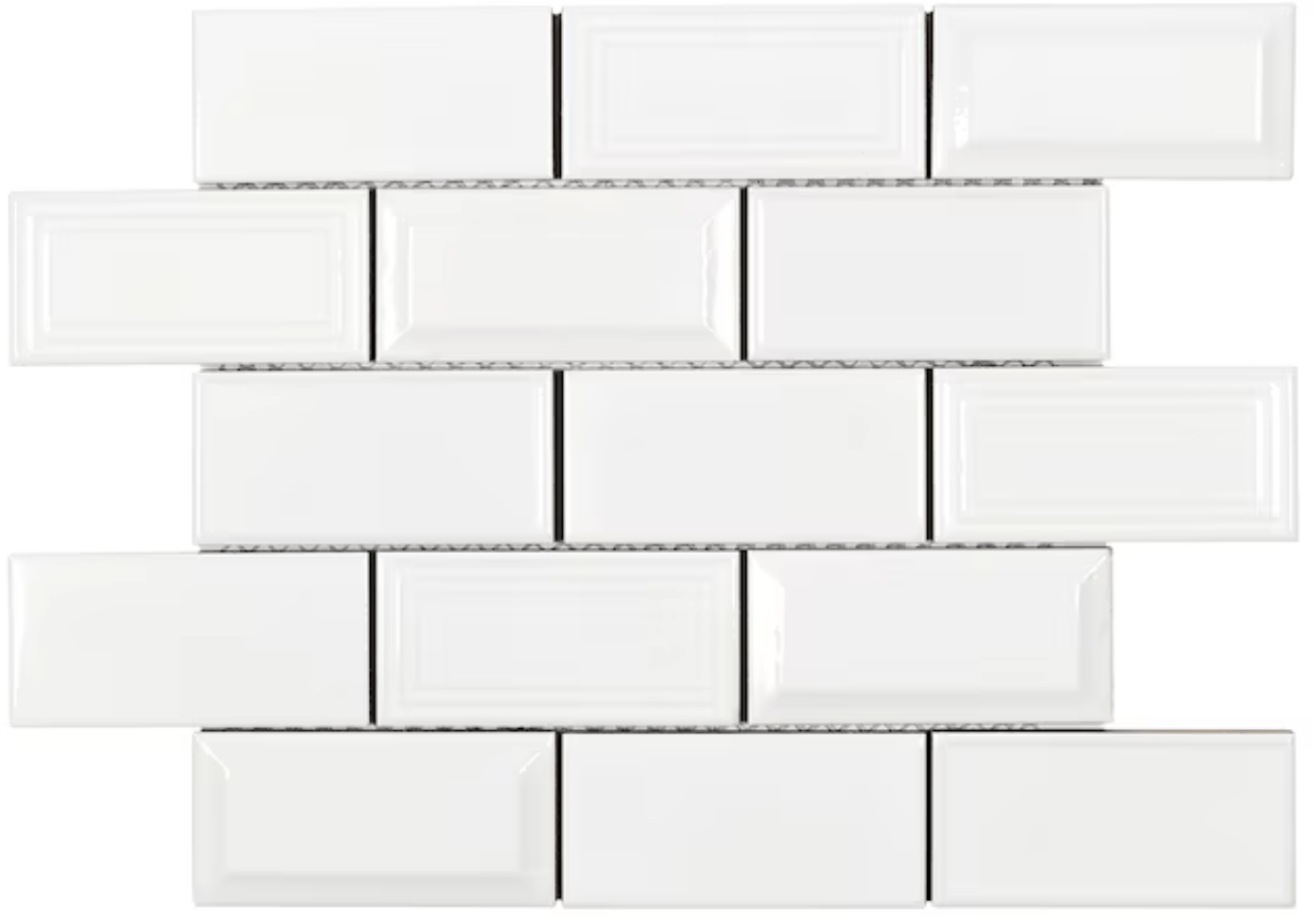
Yes, in most cases. Floor tile needs a wet-area slip rating that many wall tiles, especially glossy finishes, aren't certified for.
How much does shower floor tile cost per square foot?
Price varies by material, finish, and format. Check current product listings for exact per-square-foot pricing rather than a fixed figure here.
Are non-slip tiles necessary for a shower floor?
Yes. Standing water on a smooth surface is a genuine fall risk, so a non slip shower floor tile rated for wet-floor use is worth the extra look before buying.