What a Stone Backsplash Kitchen Actually Gives You
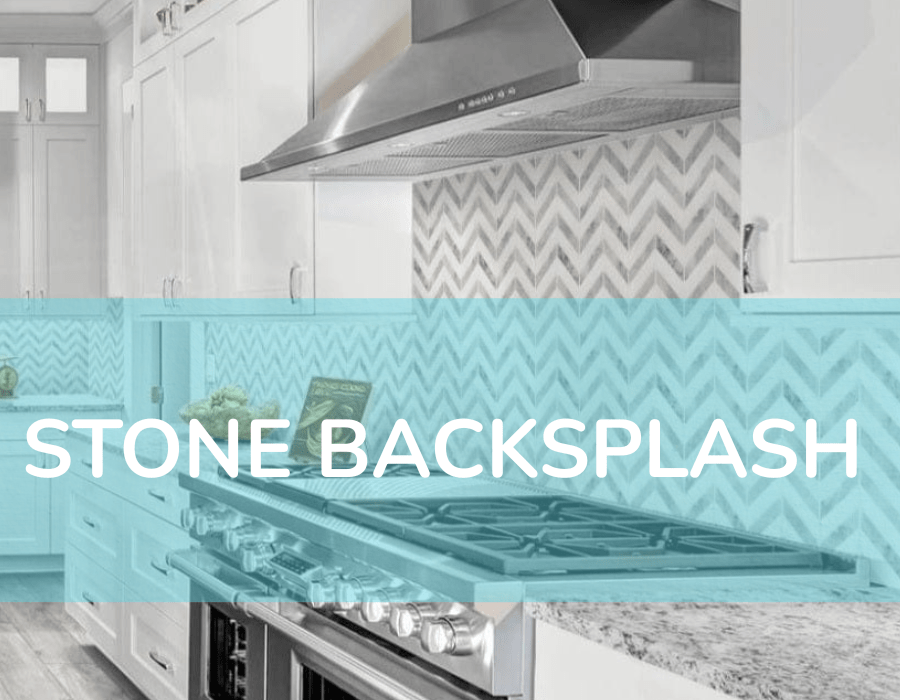
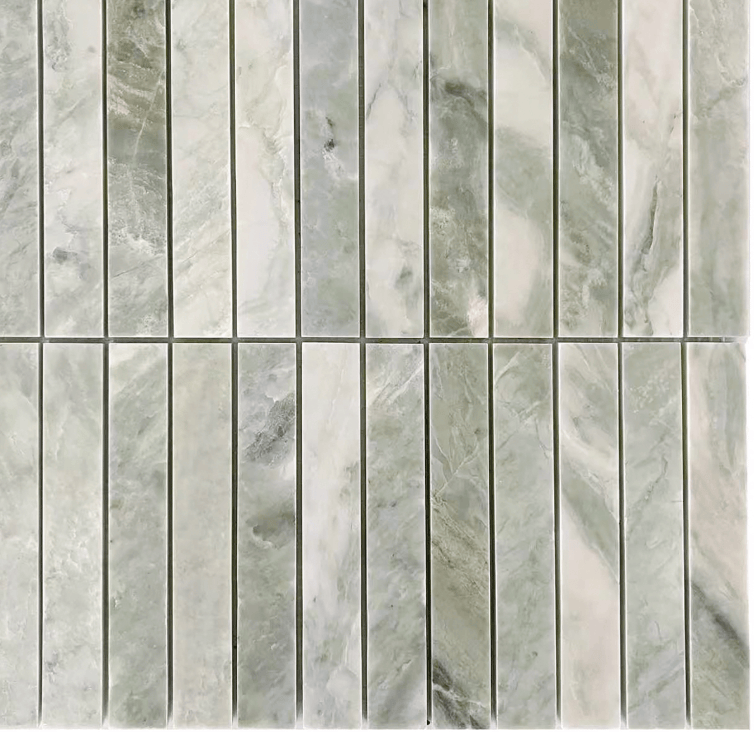
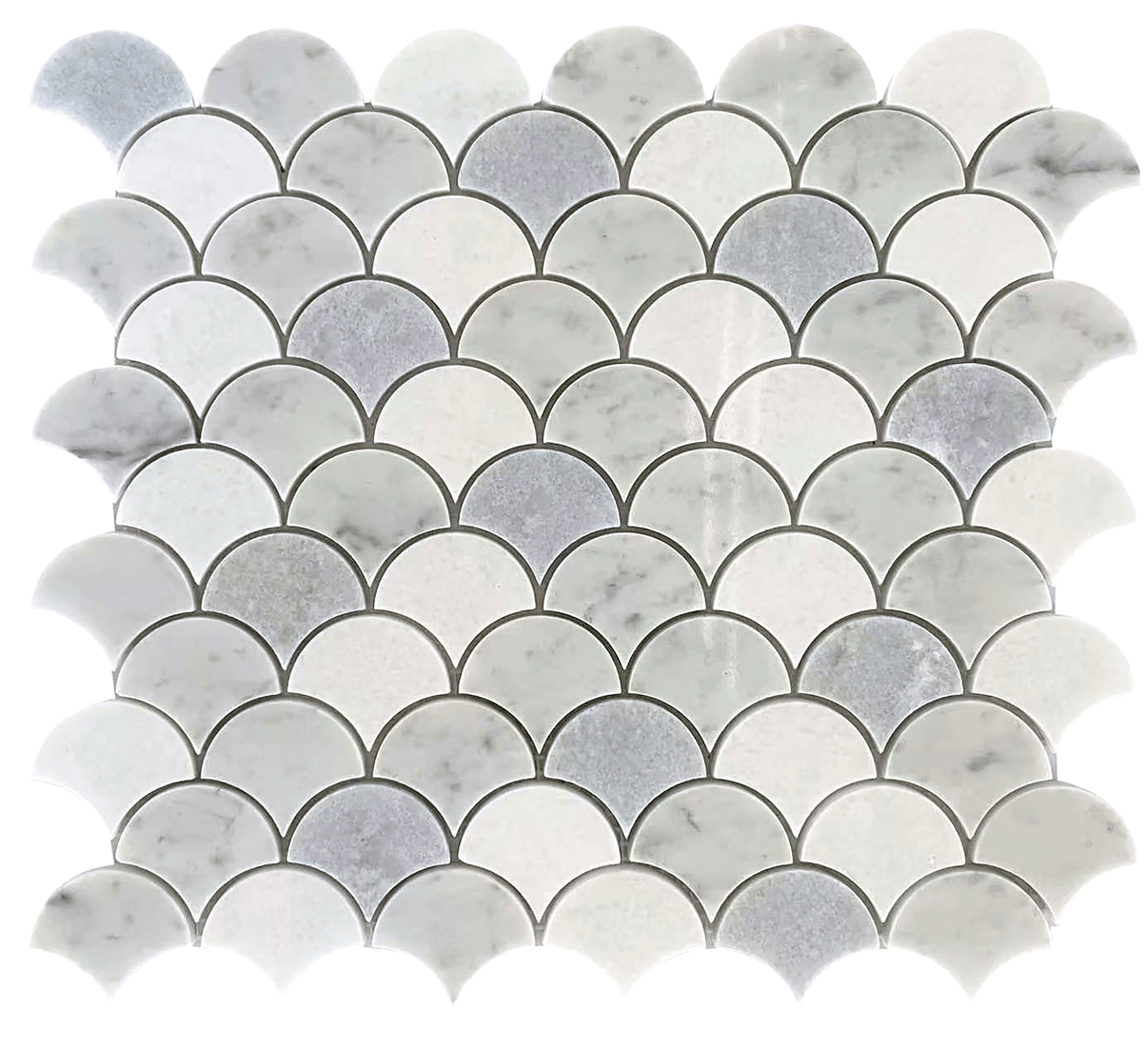
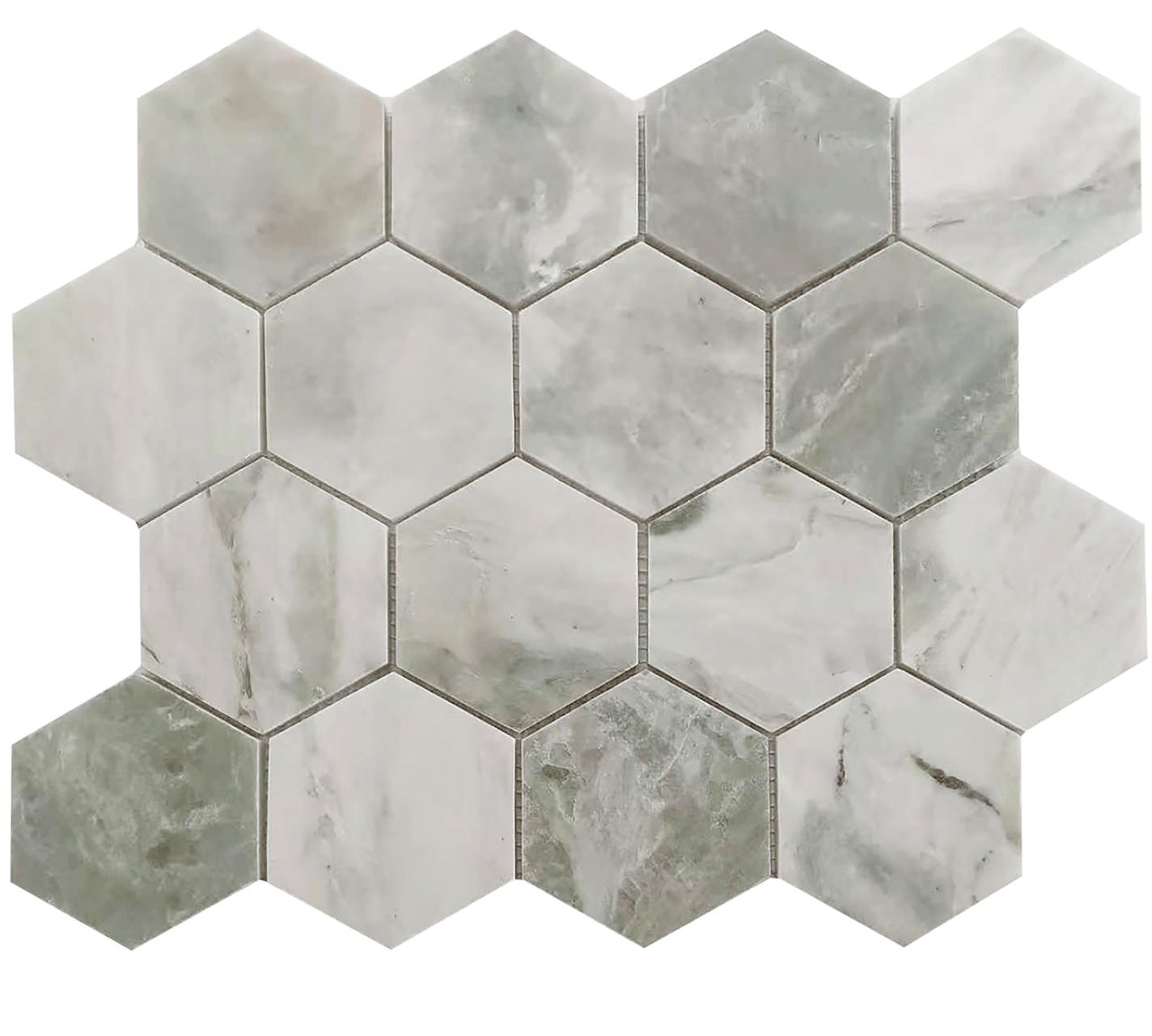
A stone backsplash kitchen is not just decoration behind the stove. Real stone carries natural veining, color shifts, and texture that no printed tile can fully copy, which is why it remains one of the most requested upgrades in kitchen design.
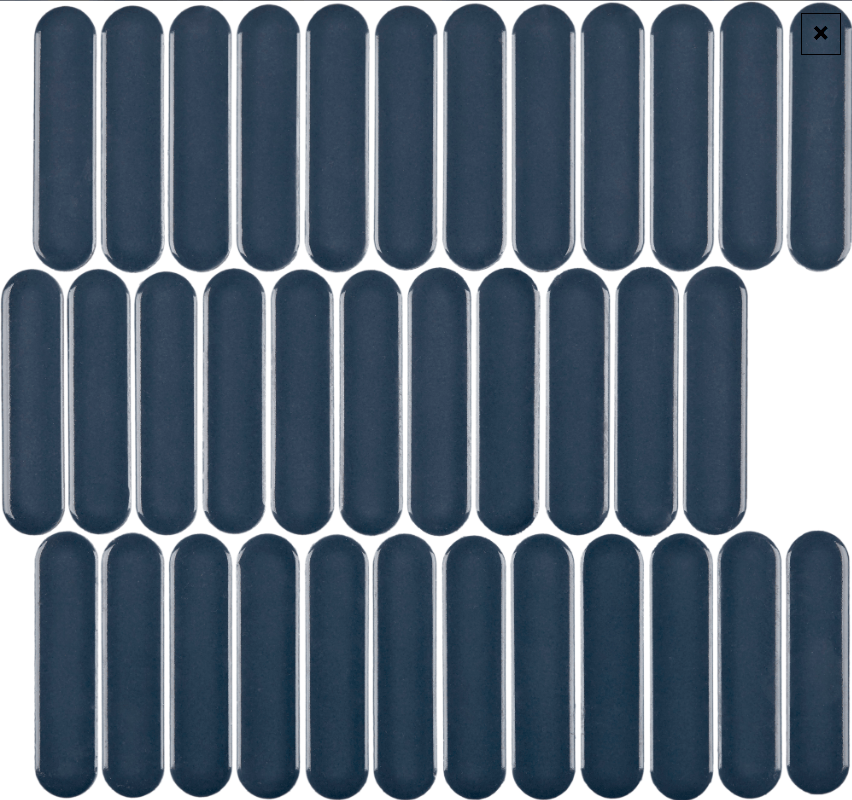
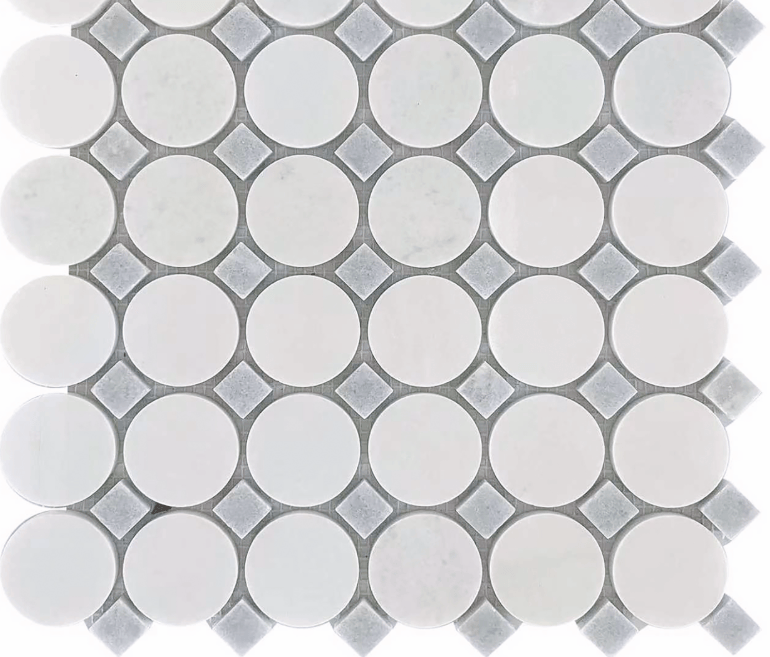
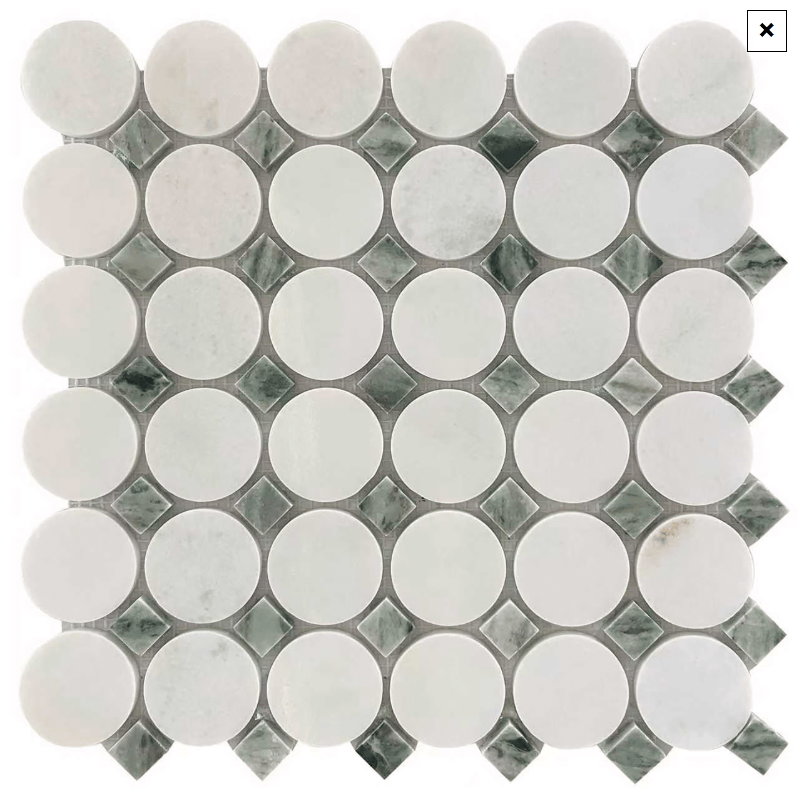
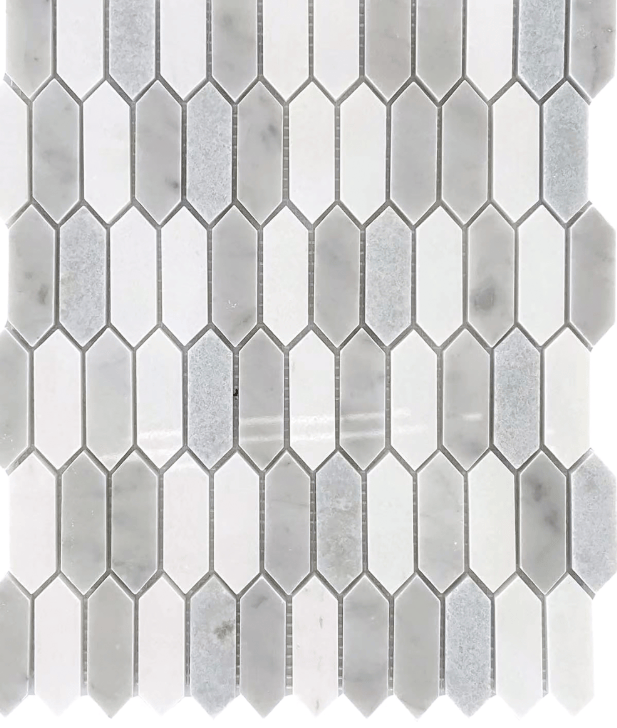
This collection covers the full range of stone backsplash tile options. Here is what makes each one worth considering:
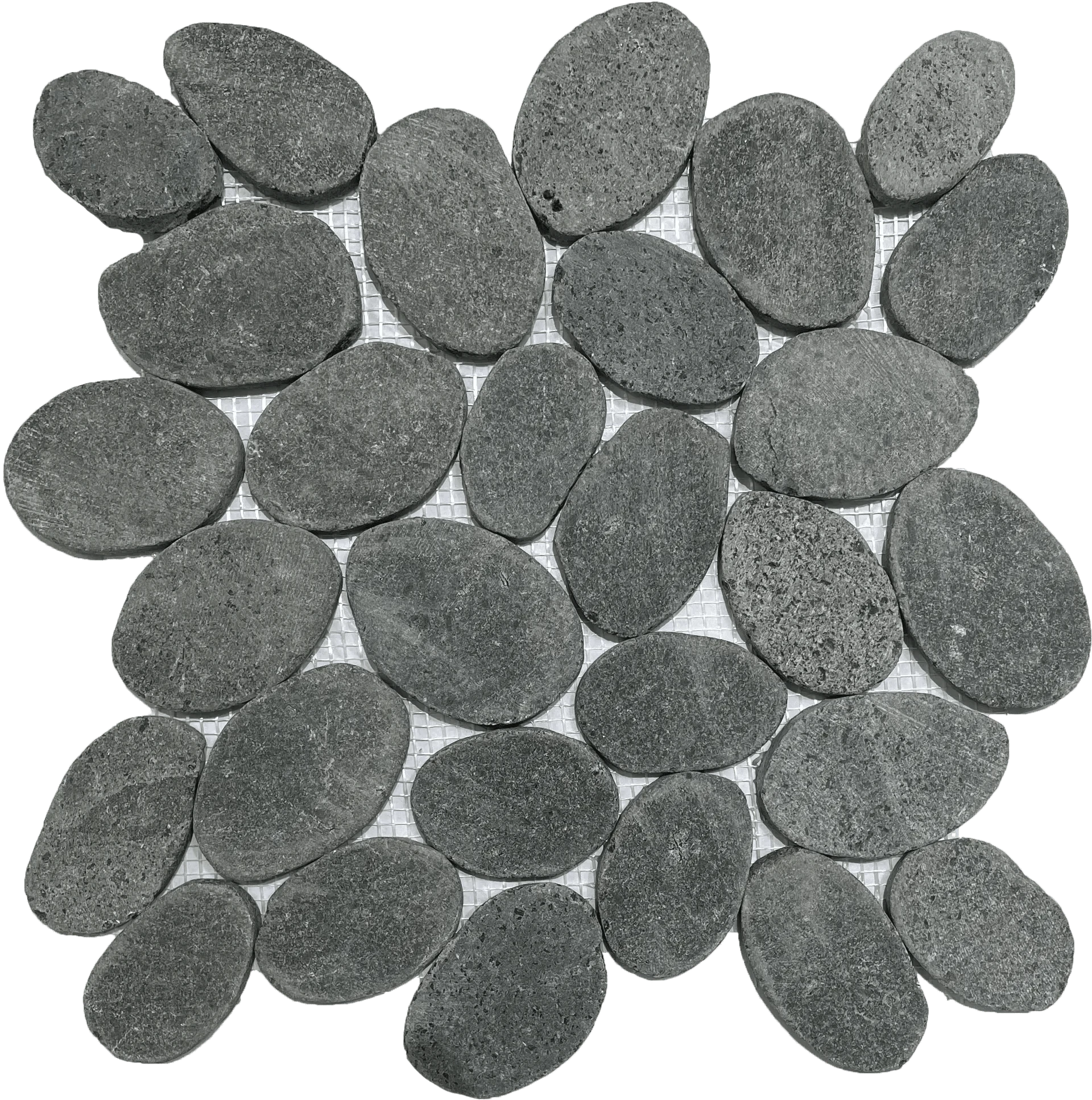
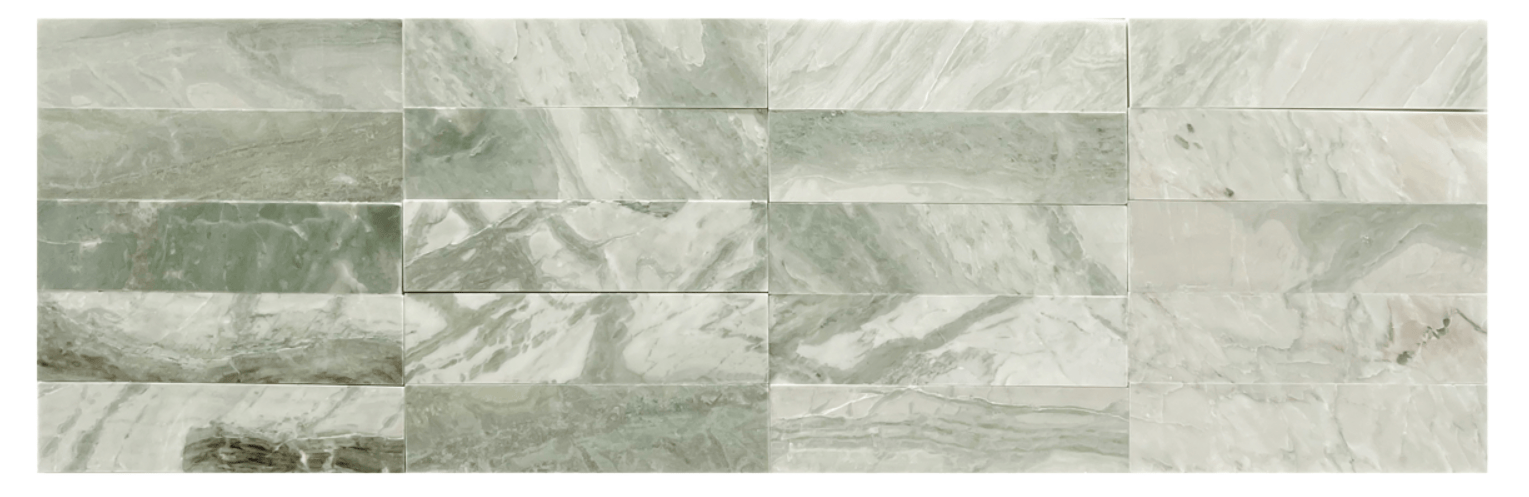
Natural stone backsplash brings one of a kind veining and texture no printed tile can fully copy
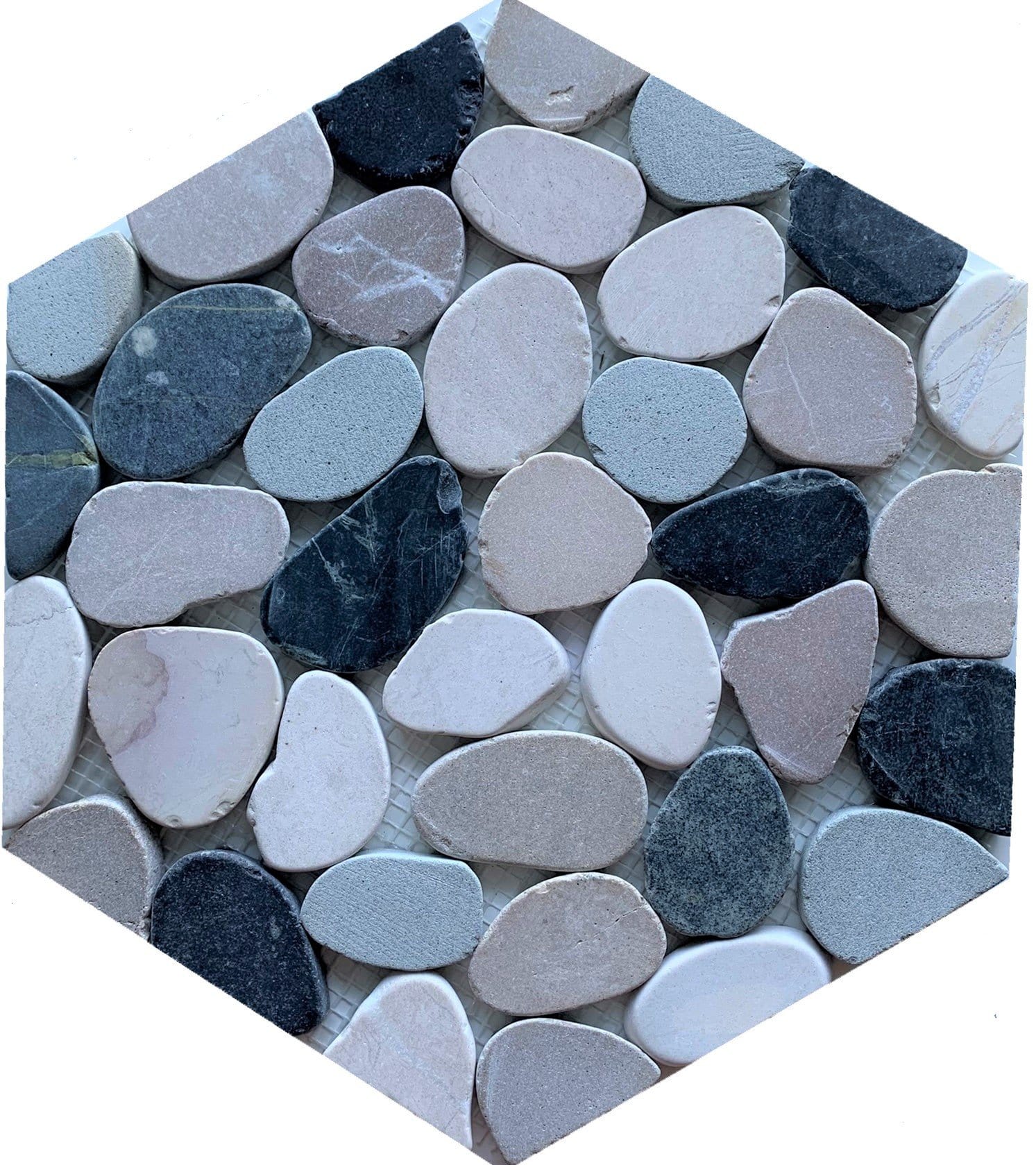
Stacked stone backsplash styles add real dimension and a more dramatic, textured wall
Works equally well as a kitchen focal point or a subtle accent behind open shelving
Available in warm, traditional tones and cooler, more contemporary finishes
Quick Guide to the Main Stone Types
Each stone brings its own look and its own upkeep, so here is what sets them apart:
Travertine backsplash: warm, slightly rustic look with natural pitting, fits farmhouse and traditional kitchens, porous so it needs sealing before and after installation
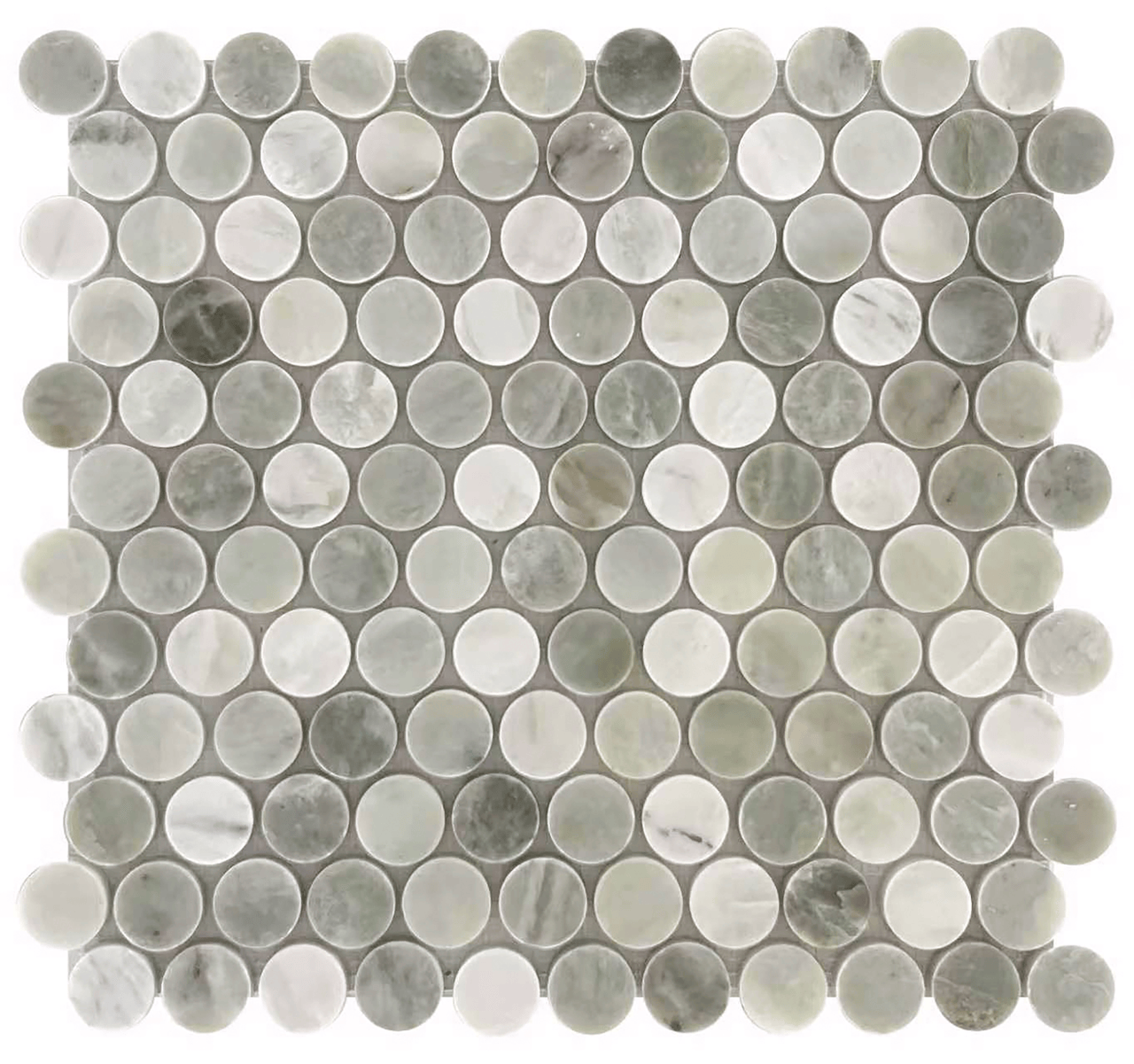
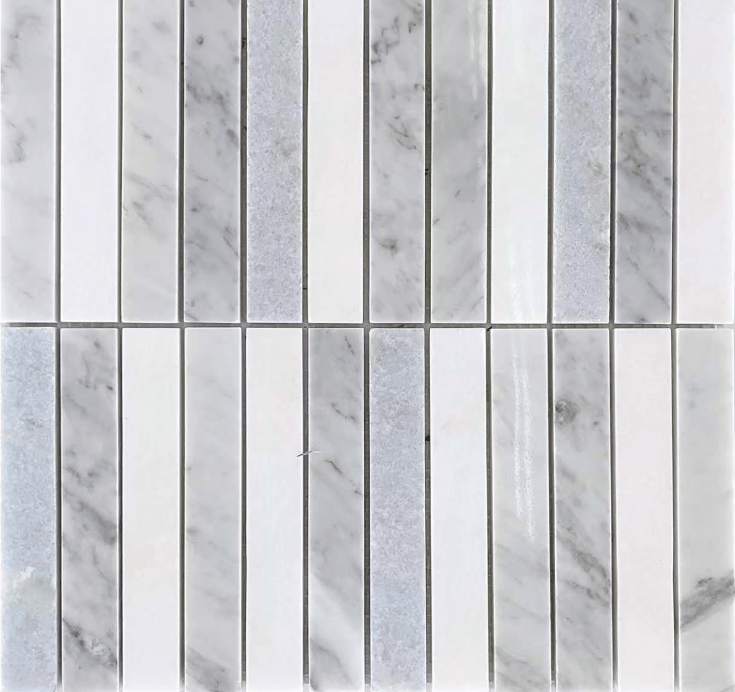
Marble backsplash: unmatched veining for an upscale, polished look, pairs especially well with white or light cabinetry, porous and sensitive to acidic spills so sealing is a must
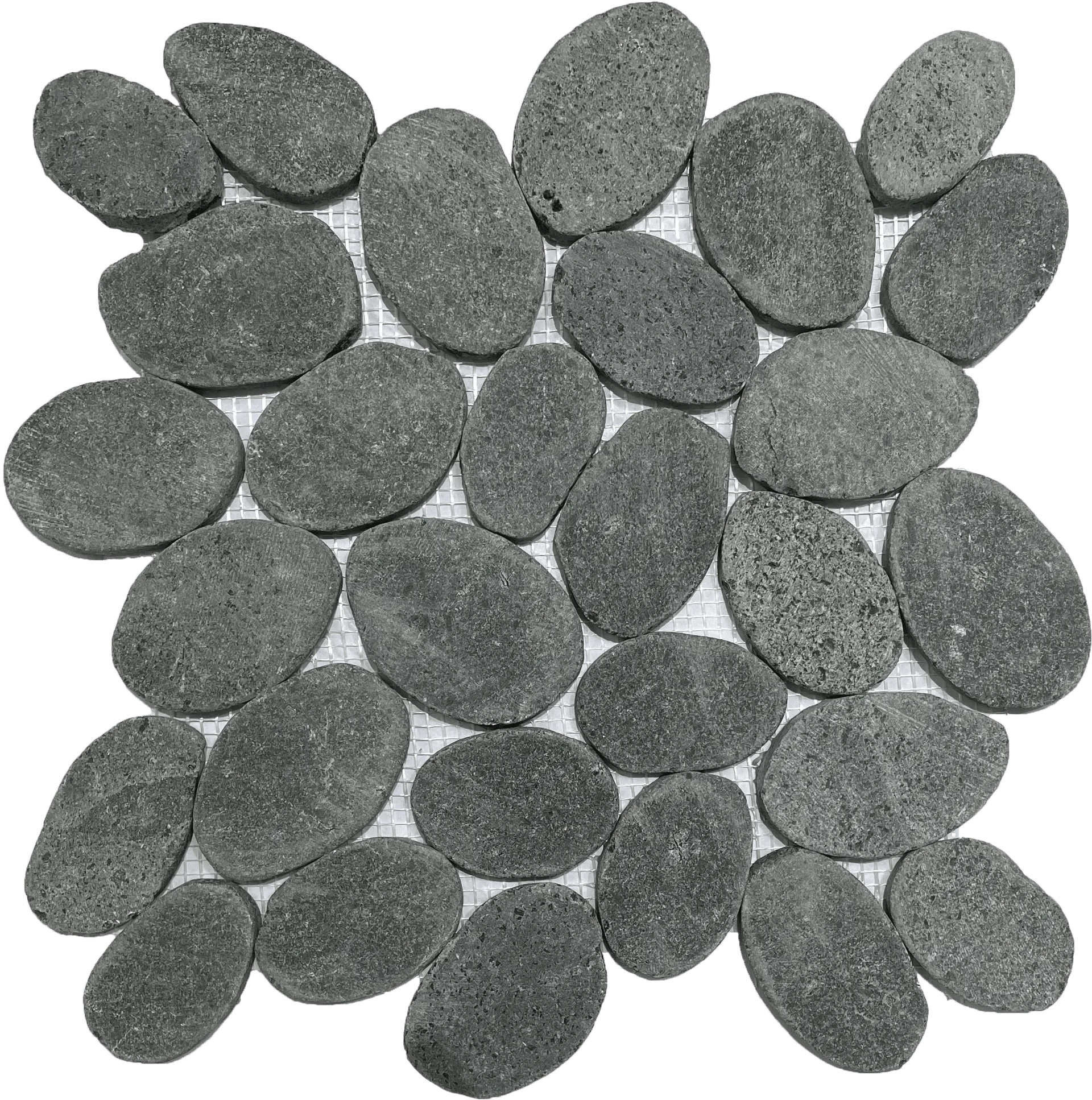
Slate: darker, more muted tones with real texture, holds up slightly better to daily wear than travertine or marble, a strong pick for a modern stone backsplash
Granite: denser and less porous than the other three, used less often for backsplashes simply because it offers less visual variety on a wall
Sealing and Everyday Care
Here is the honest answer people usually search for. Yes, most natural stone wall tile needs sealing, travertine, marble, and slate all included, since sealing fills the natural pores so oil and wine cannot soak in and stain permanently.
Keeping up with it is simpler than it sounds:
A quality seal typically lasts one to two years before it needs reapplying
Resealing itself takes an afternoon, not a weekend project
Clean a decorative stone backsplash with warm water and a soft cloth for daily upkeep
Use a pH neutral cleaner for tougher spots, and skip anything acidic or abrasive
Behind the Stove: Does Stone Hold Up to Heat?
Backsplash stone tile handles direct heat from cooking exceptionally well, which is one reason stone has stayed popular behind ranges for decades. A few things worth knowing:
Heat damage is rarely the real concern with a properly installed stone backsplash
Grease and splatter absorption over time matters far more than heat resistance
This is exactly why sealing, not heat rating, should guide your choice for this spot in the kitchen
Finding Your Look
Not sure where to start? Match the stone to the style you already have in mind:
Leaning traditional? Travertine and warmer-toned stone kitchen wall tiles tend to fit best
Want something more current? Slate and cooler-toned marble are the most requested options right now
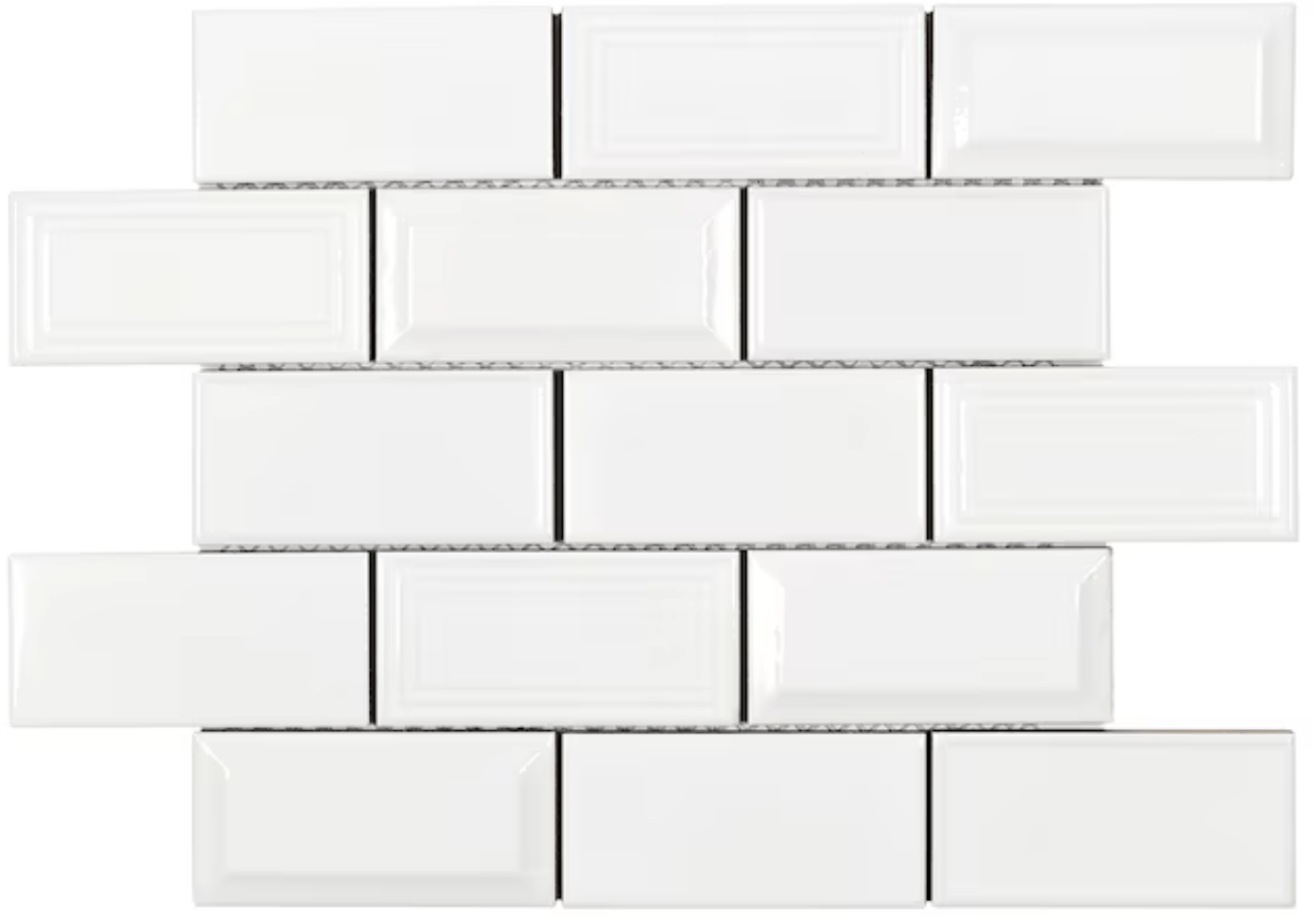
Searching for broader kitchen backsplash ideas? Pairing a stone accent with simple subway tile keeps cost down while still adding texture
Frequently Asked Questions
Does natural stone backsplash need to be sealed?
Yes, in almost every case. Travertine, marble and slate are all naturally porous, so sealing keeps oil, wine and everyday splatter from soaking into the surface and staining it permanently.
What is the best stone for a kitchen backsplash?
It really comes down to the look you want. Travertine brings warmth, marble brings elegance, and slate brings a more modern, textured feel. All three perform well once properly sealed.
Is a natural stone backsplash a good choice for kitchens?
Absolutely, and it remains one of the most requested upgrades for good reason. Just go in knowing it asks for a bit more upkeep than porcelain or ceramic in exchange for that one of a kind natural look.
Which stone is best for a kitchen backsplash?
If low maintenance matters most, lean toward slate, since it is a touch more resistant to daily wear. If the visual impact matters more, marble or travertine will likely win you over first.
Does a stone backsplash require sealing?
In most cases yes, with the main exception being denser stones like granite, which need it far less often. Travertine, marble and slate should all be sealed before and periodically after installation.
How do you clean a natural stone backsplash?
Warm water and a soft cloth handle most day to day cleaning. For tougher spots, use a pH neutral stone cleaner, and steer clear of anything acidic or abrasive that could break down the seal over time.
Can stone backsplash tiles be installed behind a stove?
Yes, stone handles heat from everyday cooking very well. The real consideration behind a stove is grease and splatter exposure, which is why a properly sealed installation matters more there than almost anywhere else in the kitchen.