





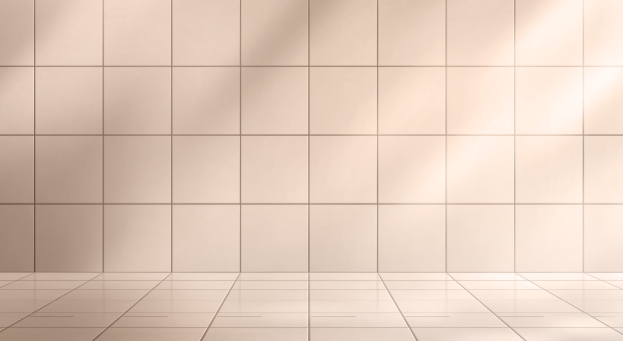
Floor vs Wall Tiles: Simple Tips for Picking the Right Tiles
The choice between wall tile vs floor tile can be as straightforward as it sounds, but you can be sure that there will be technicalities that will make or break your home renovation. Even though both types are critical elements of design, the physical requirements that the types are engineered to meet are very different.
Floor tiles are hardened to resist large numbers of people and physical abuse, but wall tile design products are generally lighter and designed to be used on vertical surfaces. This guide will walk you through how to make the right choice based on both functionality and style, ensuring you get the most out of your purchase.
Introduction
Choosing the right tiles for your home is about more than just aesthetics; it is about matching the material to the specific environment. The distinction between wall tile and floor tile is predominantly defined by weight-bearing capacity and slip resistance. While you may have many creative wall tile ideas, these materials are not designed to support foot traffic. This guide will help you in deciding what the best tiles to use are for the floor and which walls to use in each room.
What the Difference is between Wall Tiles and Floor Tiles.
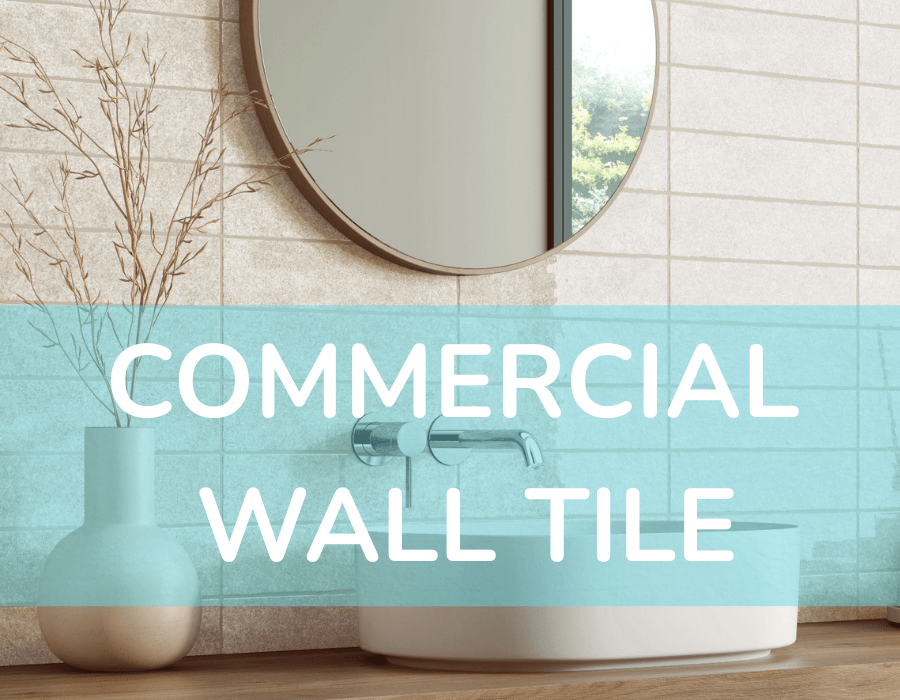
Wall Tiles: These are lighter and thinner. They are perfectly suited for kitchen wall tiles or bathroom backsplashes where they don't have to support weight.
Floor Tiles: They are stronger and heavier to ensure that they are not worn off every time. You want kitchen floor tiles that are impact-built or living room slabs; they are impact-built.
Best Tiles for Floor in Kitchen, Living Room, and Outdoor Areas
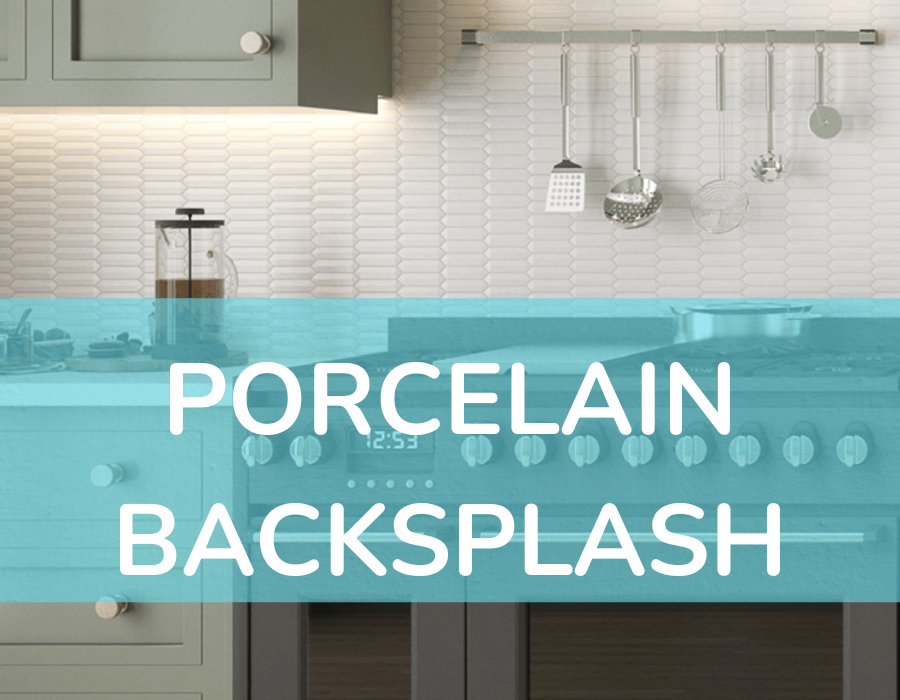
When choosing the best tiles for the floor in high-activity sections of your house, durability is non-negotiable. As an example, kitchen floor tiles must not be porous and should be easily cleaned since food spills easily. In this case, porcelain is usually the best option. In the case of the living area, big-sized tiles would be used to give it a contemporary touch and textured porcelain is used in the outdoor pathway to make it safe during rain or sun.
Popular Wall Tile Ideas for Modern Homes
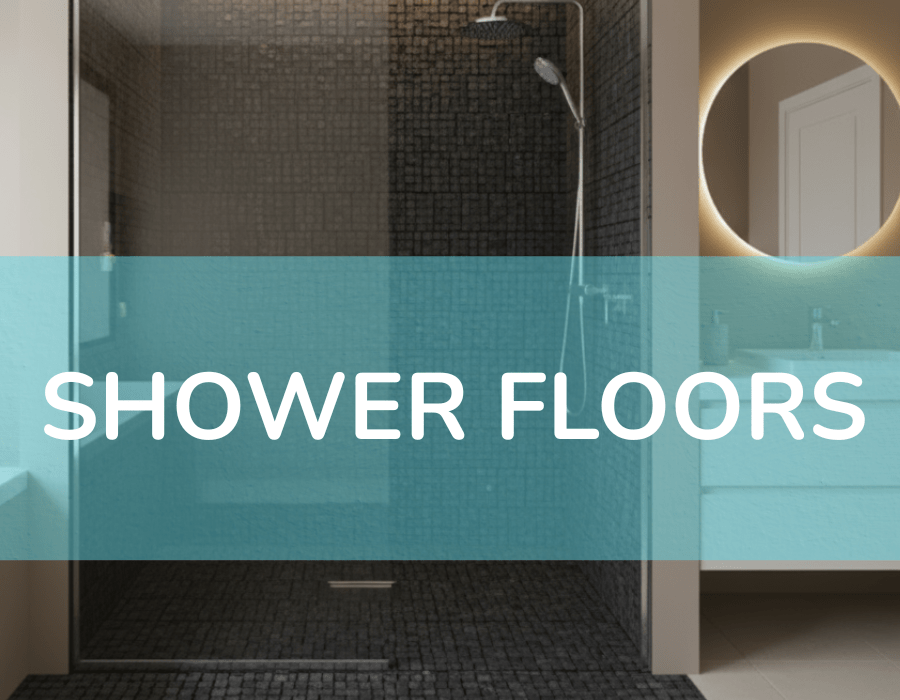
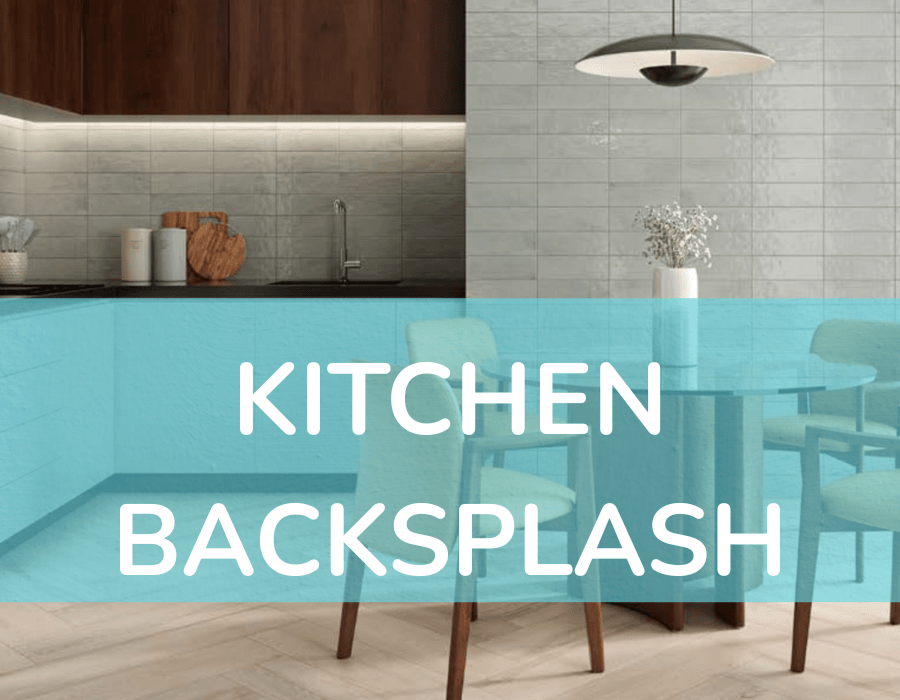
Wall tiles play a massive role in the personality of a modern home. If you are looking for bathroom wall tile ideas that stand out, consider large-format tiles for a seamless look in the shower. A unique wall tile design can act as a piece of art, especially when using mosaic patterns. For a clean and functional cooking space, installing high-quality kitchen wall tiles ensures your walls are protected from grease and heat while looking stylish.
Decorative Wall Tiles vs Durable Floor Tiles – What Matters More?
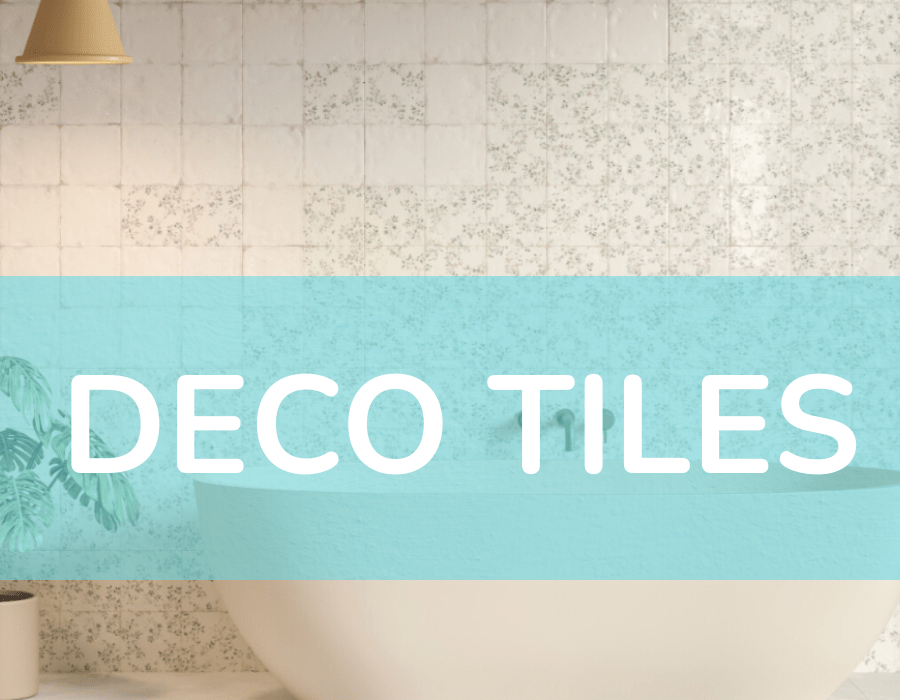
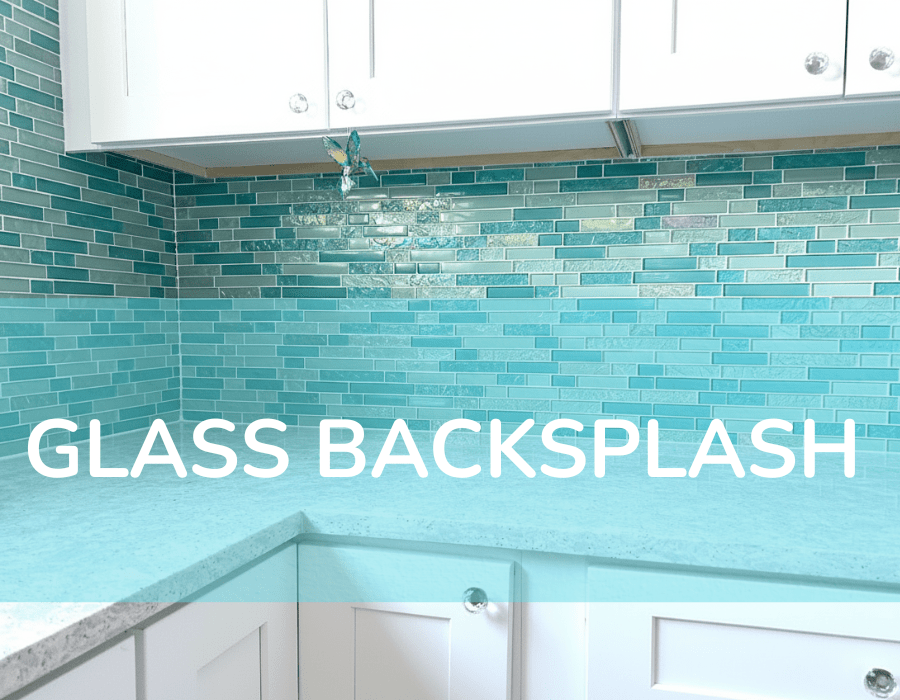
The choice of decorative wall tiles and durable flooring hinges on the main purpose of the room. Decorative wall tiles, such as glass or high-gloss ceramics, will be ideal for feature walls when the intended purpose is to provide luxury and light reflection. However, they are too fragile for the floor. For surfaces you walk on, you must prioritise durable porcelain or ceramic that is rated for heavy use, ensuring your floor lasts for decades.
How Tile Thickness and Finish Affect Performance and Durability
One of the important signs of the intent of a tile is its thickness. Wall tiles have a smaller thickness to decrease the weight on the vertical structure, enabling a more complex wall tile design. Although the finish on kitchen wall tiles is normally smooth so that they can easily be washed, floor tiles need a certain finish to avoid accidents. The best tiles on the floor will have a mat or rough surface to give the required grip to walk safely.
Choosing the Right Tiles for Each Room in Your Home
-
Kitchen: Focus on a low-maintenance surface by using kitchen floor tiles that resist stains and spills.
-
Bathroom: Use waterproof ceramic or porcelain to prevent mould.
-
Feature Walls: Use decorative wall tiles to add texture and a "wow" factor to your entryway or living room.
-
Outdoor Spaces: Prioritise weather-resistant porcelain for maximum longevity.
When Should You Use Wall Tiles Instead of Floor Tiles?
Wall tiles should be used only on the vertical surfaces. They are also thinner, and therefore, when used as floor tiles, they will crack and cost a lot to repair. Also, most decorative wall tiles are not slip-resistant and hence unsafe in case they are applied on the floor. Never forget to make sure that you are choosing a tile that is rated to be used on the floor to avoid causing any safety hazard.
Conclusion
Ultimately, finding the balance between wall tile vs. floor tile is a matter of style meeting functionality. By considering moisture resistance and durability, you can create a home that is both beautiful and safe. Looking to get a new wall tile design or find the best tiles for floor,go to Tiles and Deco and get a great selection of the appropriate products that you can use to cover every part of your home.

Written by Tiles and Deco
READ MORE
How to Choose the Perfect Living Room Tiles: A Complete Guide for Stylish Flooring
Choosing the ideal living room flooring tiles is a crucial thing when designing a beautiful and comfortable living room. Whether you are remodelling your house or constructing a new one, the approp...
Read more
Top 5 Quick and Easy Tile Cleaning Tips for Your Home
Have you ever spent hours scrubbing your floors, only to step back and realize they still look hazy? It’s a common frustration for homeowners. You see the grime settling into the texture. And sudde...
Read more