




Glass vs Ceramic vs Porcelain Pool Tiles: Which Should You Choose?
For most pools, the answer is a split. Glass works best at the waterline, porcelain makes a strong deck and interior choice, and ceramic only belongs in the pool when the manufacturer rates it for swimming pool use. That covers the basics, but the details decide how the tile looks and holds up after a few seasons. A tile that shines in a showroom can fade, collect scale, or turn slick once it spends a summer under chlorinated water and sun.
This guide compares the three materials on how they perform underwater, how long they tend to last, what they cost to install, and where each one fits. Most comparisons stop at looks and price. Slip resistance, grout compatibility, and the product’s pool rating often matter more in the long run, so we cover those too.
Glass, Ceramic, and Porcelain Pool Tiles Explained
Each material starts differently, and that shapes how it behaves in water. Glass is fused glass, usually sold as mosaic pieces on mesh sheets. Ceramic is glazed, fired clay. Porcelain is clay fired at a higher temperature into a denser body that takes in very little water.
How Each Material Performs Underwater
Pool tile faces water, sun, chemicals, and scrubbing all at once. Glass handles submersion well, and porcelain stays stable through repeated wet and dry cycles. Ceramic needs the closest look. Some ceramic is made for wet walls and not for constant submersion, so the product rating matters more than the material name.
Glass Vs Ceramic Vs Porcelain Pool Tiles: Key Differences
No single material wins on every point, which is why many pools use two or more.

Durability, Water Absorption and Lifespan
Water absorption is the first number to check. Low absorption means less water and less staining inside the tile body. Even so, a low-absorbing tile can fail with the wrong grout or water trapped behind it. Lifespan depends on the product, the grout, the installation, and the pool’s chemistry, so use the manufacturer’s data sheet rather than a rule of thumb.
Design Options and Finish
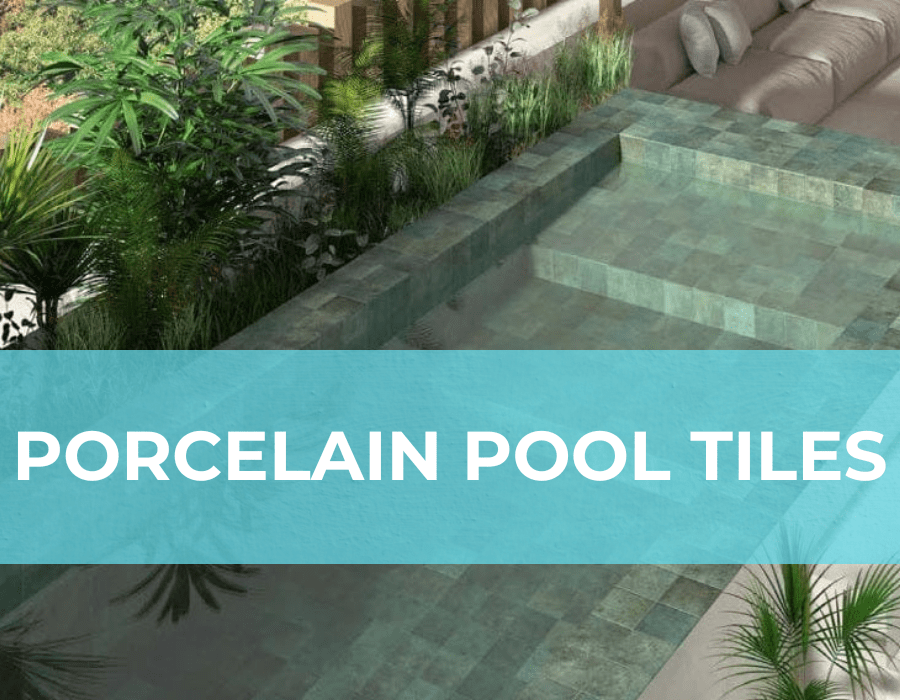
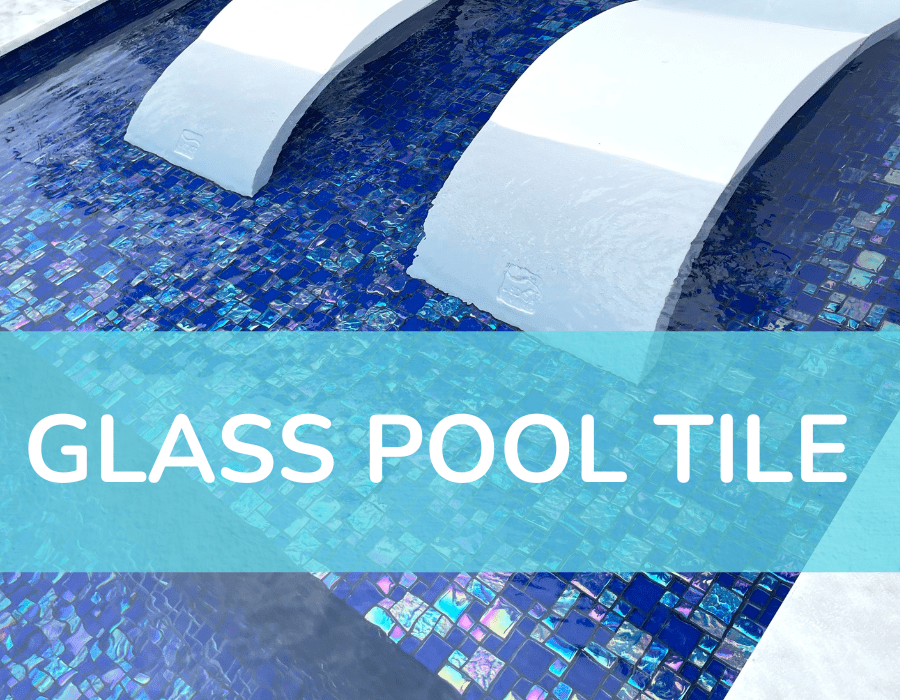
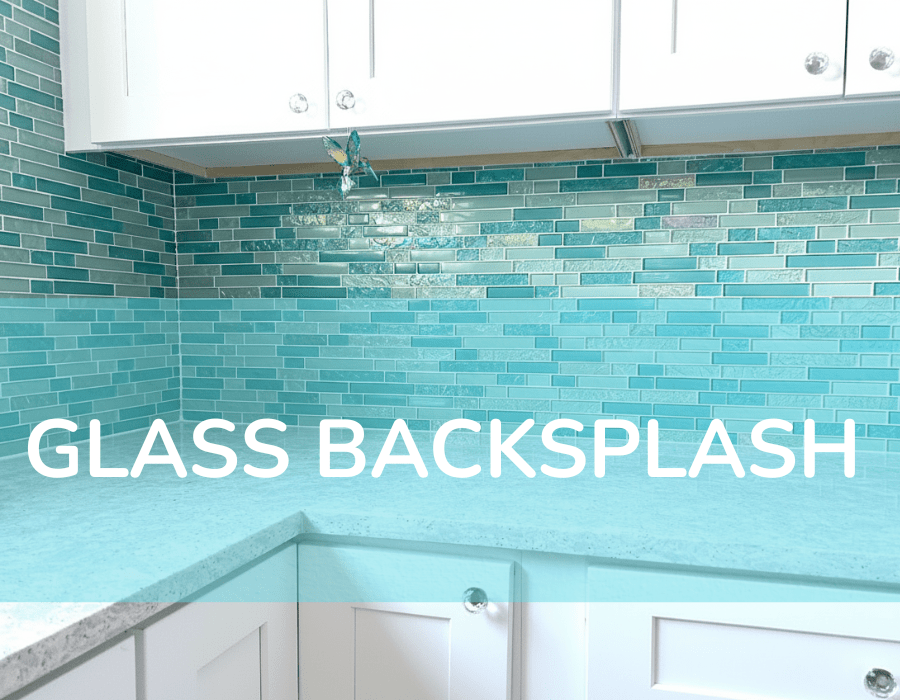
Glass offers the richest color and light effects, and they show best at the waterline where light moves through the water. You can find glass pool tiles in many blues, aquamarines, blacks, and iridescent finishes, in sizes from small mosaics to 6x6 tiles. Ceramic offers the widest choice of traditional patterns, and it is often less expensive per square foot than porcelain. On Tiles and Deco’s pool pages, though, the listings are mostly glass and porcelain, so confirm pool-rated ceramic before you plan around it. Porcelain can copy stone, wood, and concrete looks.
Material and Installation Costs
The tile price is only part of the bill. Glass mosaics take longer to set because each small piece has to line up, and cuts around steps and lights add labor. Large-format porcelain has fewer grout lines but is heavier and harder to cut. The pool pages on Tiles and Deco show the spread. Many glass listings sit around $14 to $16 per square foot, while some 6x6 porcelain options are near $10 to $11. Prices change, so check the listing you plan to buy.
Which Pool Tiles Are Best for Pool Interiors?
Inside the pool, the job the tile does decides the material. Glass is the usual pick for waterlines, borders, and accent bands. Porcelain works for full interiors when the product is rated for submerged use. Ceramic can go underwater too, but only with a product the manufacturer approves for pool use. Many pools pair a glass waterline with a porcelain or glass field across the basin.
How to Choose Non-Slip Tiles for Pool Steps and Surrounds
Steps and decks are where people slip, and a tile that performs well underwater can be a poor pick for a wet walkway. Glass is often smooth and reflective, which looks great but can feel slick. Check these points before you buy:
-
Ask for a wet slip-resistance rating. In the US, it is often reported as a DCOF value tested under ANSI A326.3.
-
Choose an anti-slip or textured finish for steps and decks, and don’t judge by appearance alone.
-
Confirm the tile is rated for wet and outdoor areas.
-
Read the manufacturer’s notes on pool steps, surrounds, and deck use.
Anti-slip porcelain is a practical route for many decks. Tiles and Deco’s pool porcelain tiles page lists anti-slip 6x6 options next to standard finishes, so you can compare both in the same color. Glass isn’t the first choice for a deck unless the manufacturer recommends that exact product for deck use.
Pros and Cons of Glass, Ceramic and Porcelain Tiles
Each material has a clear strength and a clear limit. Weighing both helps you match the tile to the job.
-
Glass: rich color and strong light effects at the waterline. Installation takes more care, and decks need a rated finish.
-
Ceramic: wide range of patterns and often a lower cost per square foot. It needs a pool-rated product, and the pool selection is narrower.
-
Porcelain: dense, low absorption, durable, with anti-slip options. Large sizes are heavy, and it lacks the light-catching effect of glass.
How to Choose Pool Tiles for Your Budget
Start with the full project cost, not the tile price alone. A cheaper tile can need more prep, while a pricier one may hold up better over time. Add up tile, labor, grout, setting materials, and prep before you compare options.
Zoning helps. Price the waterline, deck, and steps separately. For example, a 6-inch waterline band around a 40-foot perimeter covers about 20 square feet. At the glass prices on Tiles and Deco’s pool pages, that is roughly $280 to $320 of tile before cuts, waste, and labor..
Pool Tile Installation and Grout Considerations
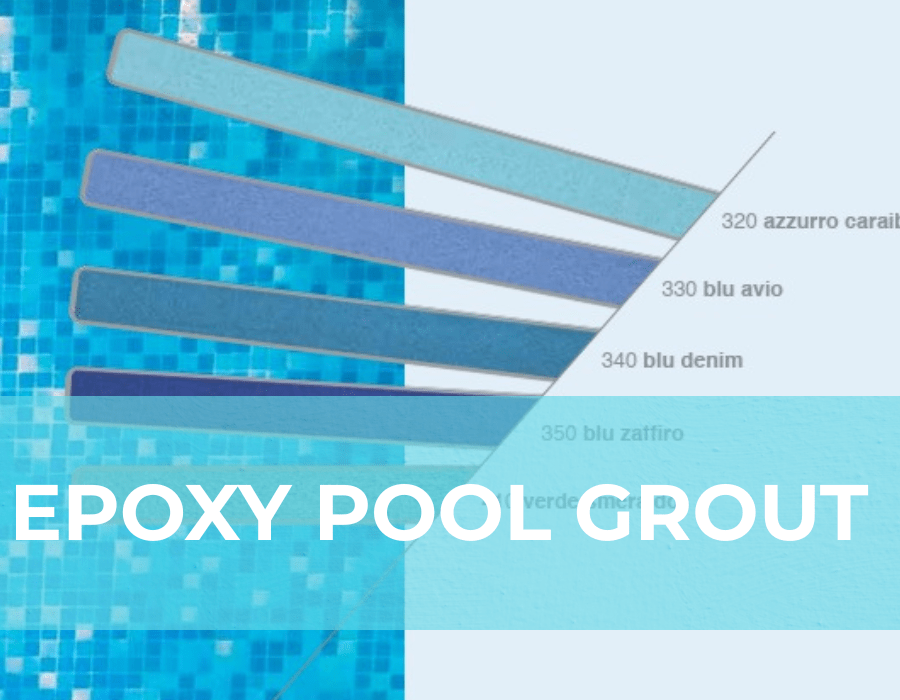
Installation decides whether good tile lasts. Pool tile needs a sound surface, pool-rated setting materials, and grout built for constant water and chemicals. Standard grout can stain and break down in a pool, which is why epoxy grout is a common choice. Check the adhesive and grout against the tile maker’s instructions before you order. Epoxy products may need several days to cure, so build that into the schedule.
Planning a full job rather than a few repairs? The pool renovation project guide on the Tiles and Deco blog walks through the drain, prep, and retile steps, which makes it a good read before you talk to a contractor.

Which Pool Tile Material Is Right for Your Project
The right material depends on where the tile goes. Glass suits waterlines and accents, porcelain suits decks and full interiors when it is rated for pool use, and ceramic earns a place only with a pool-rated product. Before you order, check water absorption, the submerged-use rating, slip resistance, and grout compatibility on each product page.
A sample tells you more than a photo, since pool light and water change how a color reads. Tiles and Deco sells samples at $0.99 each plus shipping.
Conclusion
There’s no single winner among glass, ceramic, and porcelain pool tiles. Glass gives you the strongest waterline and accent look. Porcelain gives you a dense, low-absorption deck tile in anti-slip finishes. Ceramic is worth considering when the product is rated for pool use. Sort your pool into zones, check the rating on every product, and budget for grout and installation along with the tile.
Frequently Asked Questions
Are Porcelain Pool Tiles Better Than Glass?
Neither is better across the board. Porcelain is dense, low in absorption, and handles deck use well, especially in anti-slip versions. Glass gives a brighter, reflective look at the waterline. Many pools use glass at the waterline and porcelain on the deck.
Which Pool Tiles Are Best for Preventing Slips?
Choose tile with a wet slip-resistance rating for the area it covers. Anti-slip or textured porcelain is the usual pick for steps and decks. Smooth gloss finishes, including white gloss, can feel slick when wet. Ask the seller for the rating before you buy.
Can You Use Ceramic Tile in a Swimming Pool?
Yes, but only with a product the manufacturer rates for swimming pool use. Standard wall ceramic is made for dry or splash areas, not constant submersion. Check the product description and data sheet, and ask the supplier if the rating isn’t clear.
How Long Do Glass Pool Tiles Last?
No single number applies. Lifespan depends on the product, grout, installation, and how the pool is maintained. Glass is non-porous and handles water and chemicals well. Read the manufacturer’s data and ask about warranty terms before you buy.
How Much Do Pool Tiles Cost per Square Foot?
On Tiles and Deco’s pool pages in October 2026, many glass listings sit around $14 to $16 per square foot, while some 6x6 porcelain options are near $10 to $11. Installation and prep add to that, so get a full quote.

Written by Tiles and Deco
READ MORE

How to Choose the Right Tile Supplier for Residential and Commercial Projects
The tile itself only tells half the story of how a project turns out the supplier behind it determines whether you get consistent product, accurate documentation, and support when something doesn'...
Read more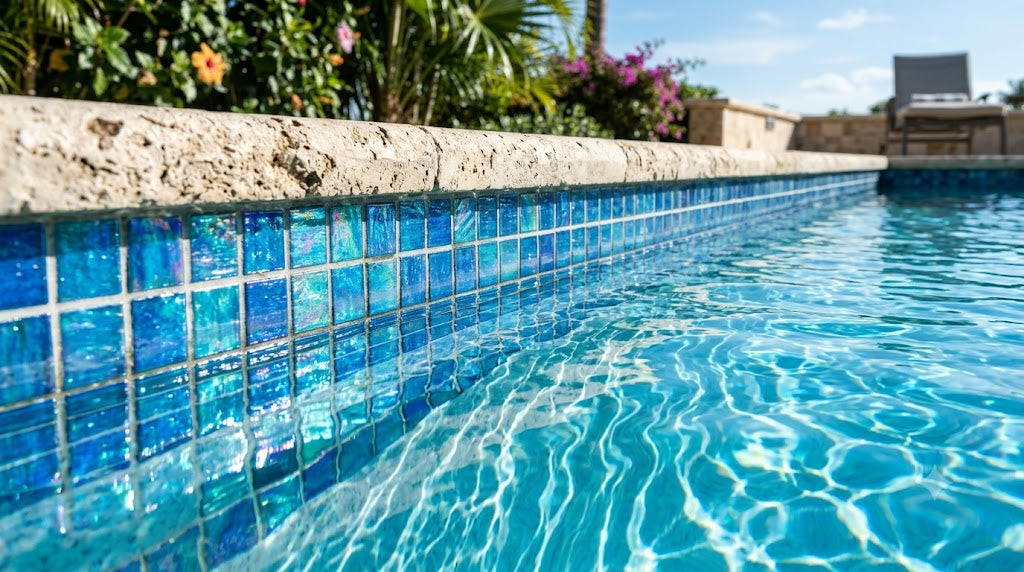
How Much Does It Cost to Install Pool Tiles? Material and Labor Costs Explained
You’ve decided the pool needs new tile, and then the quotes arrive. One is double the other, and neither explains why. Pool tile pricing feels murky because it is built from several moving parts: t...
Read more