



Everything You Need to Know Before Starting a Pool Renovation Project
A pool that's structurally sound but visually tired is one of the most common and most fixable renovation situations homeowners face. Retiling and updating the finish can transform a dated pool into a genuine backyard centerpiece for a fraction of the cost of a full rebuild. This guide covers what actually drives pool renovation cost, how to plan the project, and what tile choices hold up best long-term.
Signs Your Pool Needs Renovation
Cracked, missing, or discolored waterline tile is usually the first visible sign a pool is due for an update, but it's worth checking a few other indicators at the same time. Rough or pitted plaster, persistent staining that cleaning no longer resolves, and tile that's come loose from its substrate are all signs that a cosmetic fix alone won't hold the underlying surface likely needs attention too. Catching these issues early keeps a renovation in the cosmetic-and-tile range rather than escalating into structural repair.
Choosing New Tile Materials
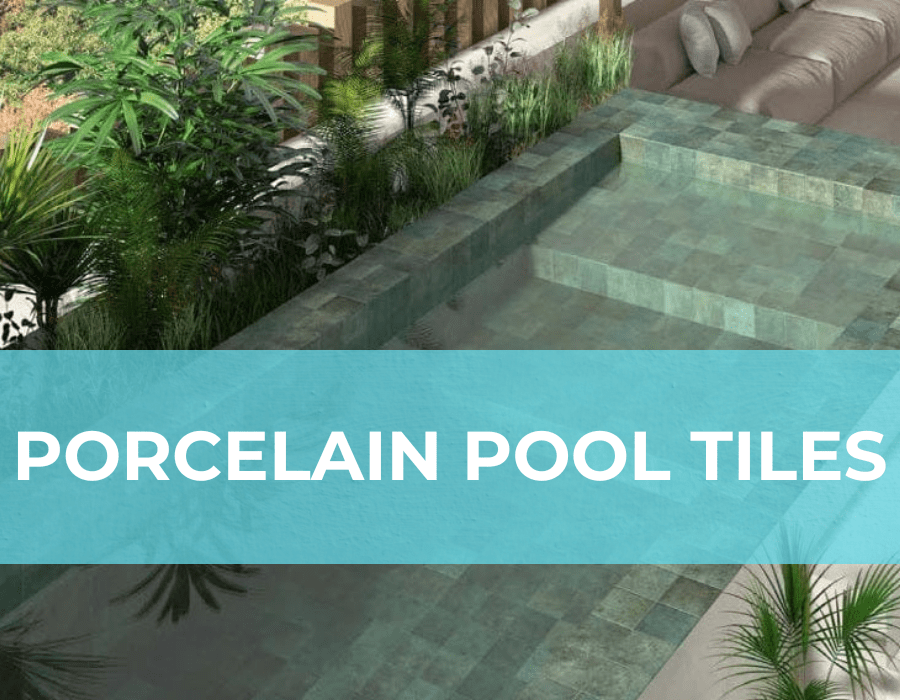
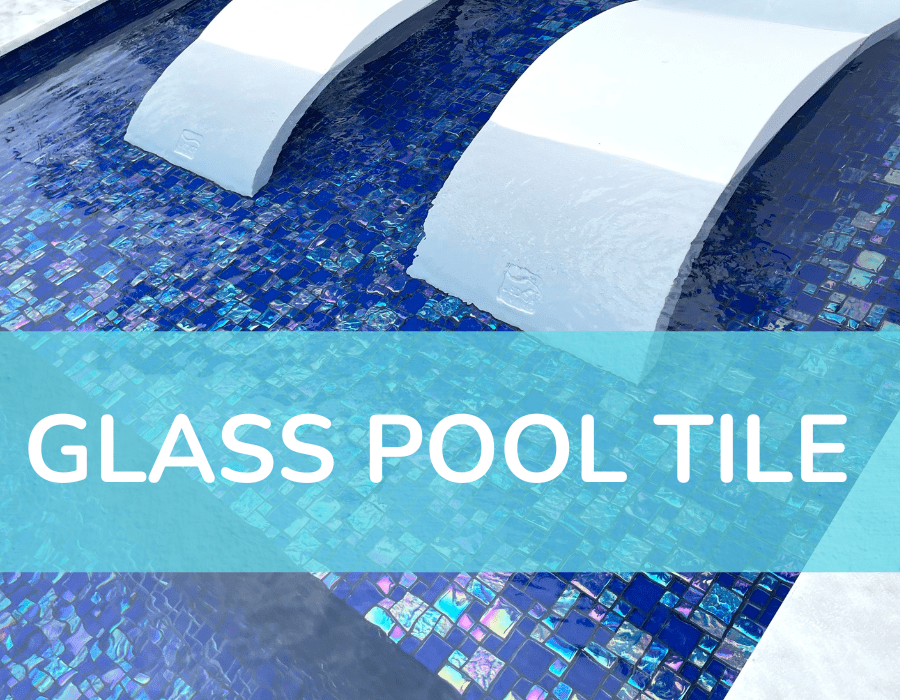
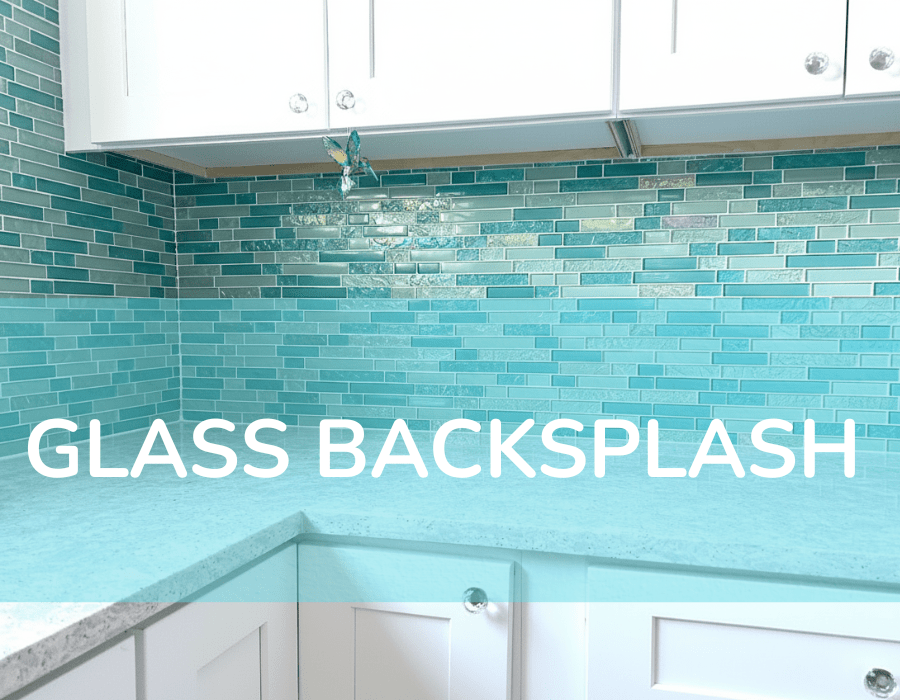
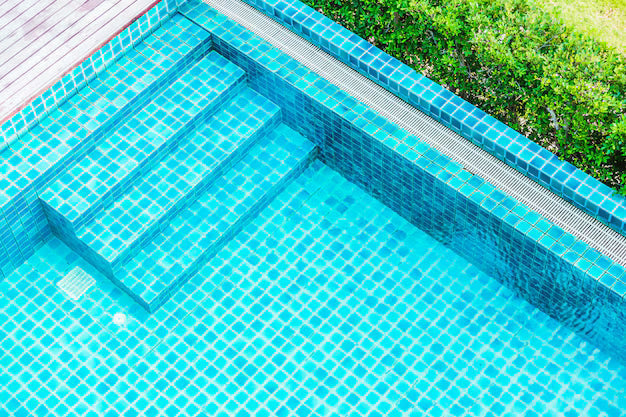
Pool tile faces near-constant water exposure, pool chemicals, and UV, which rules out several materials that work fine indoors. Glass mosaic pool tiles are the industry standard for waterlines because they're essentially impervious to water and highly resistant to chemical etching and fading, holding their color for years under conditions that would dull a lower-grade ceramic. Porcelain is the common choice for surrounding pool decks, since its water absorption of 0.5% or less (per ANSI A137.1) resists staining and cracking from repeated wet-dry cycling. For the deck specifically, anti-slip swimming pool tiles with a textured or structured finish and a wet DCOF of 0.60 or higher are the safer standard, since deck areas are walked on barefoot and wet almost constantly.
Budget Planning
Pool tile costs vary significantly based on material and scope. Waterline retiling for a standard residential pool typically runs $2,500 to $5,000 using ceramic or standard glass tile, according to cost-guide data from HomeGuide, working out to roughly $25 to $30 per square foot installed. Premium finishes full glass mosaic waterlines or custom pool deck designs can push the total renovation budget into the $15,000–$28,000 range for a standard-size pool, and higher for larger or more complex shapes. It's worth budgeting a contingency of at least 10–15% for any pool renovation, since surface prep frequently uncovers additional repair needs once old tile and finish are removed.
|
Renovation Scope |
Typical Cost Range |
Notes |
|
Waterline retile only |
$2,500–$5,000 |
Standard residential pool, ceramic/glass |
|
Deck retile |
$8–$22 per sq ft |
Plus prep and installation labor |
|
Full glass mosaic waterline |
$15,000–$28,000+ |
Premium finish, larger scope |
|
Complete pool + deck renovation |
$25,000–$70,000+ |
Includes resurfacing, tile, decking |
Installation Process
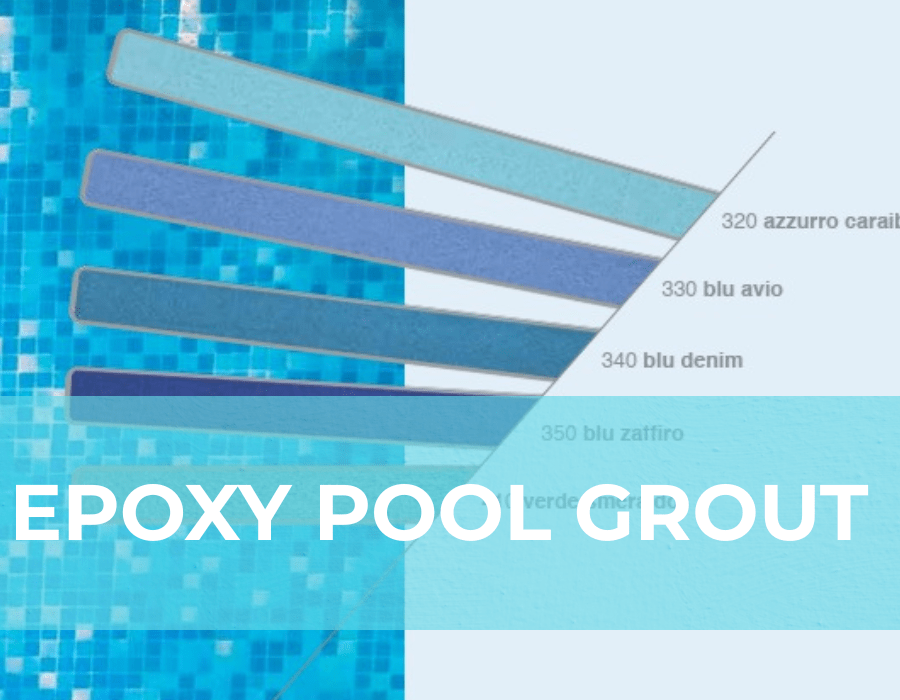
A typical pool tile renovation starts with draining the pool and removing old, damaged tile and any failing plaster or surface finish. The substrate is then repaired and prepped before new tile is set with a pool-rated thin-set and waterproof grout, since standard interior grout isn't formulated to withstand constant submersion and chemical exposure. Most residential pool retiling projects take one to two weeks from drain to refill, though full renovations involving resurfacing and deck work can extend to four to eight weeks depending on scope and weather.
Maintenance After Renovation
New pool tile still needs regular care to reach its full lifespan. Routine brushing prevents calcium and mineral scale from building up on tile surfaces, particularly in areas with hard water, and keeping pool chemistry balanced rather than letting pH swing widely protects both grout and glaze from premature etching. Waterline tile in particular benefits from monthly attention, since it accumulates oils, sunscreen residue, and scale faster than submerged tile.
Latest Pool Design Trends
Richer blue and green glass mosaic waterlines are currently favored over the more uniform, single-tone tile common a decade ago, often mixed with a complementary tone for a subtle gradient effect at the waterline. On decks, warmer stone-look porcelain is replacing the cooler gray tones that dominated pool design in recent years, echoing the broader shift toward warmer palettes seen across residential design in 2026. Anti-slip textured porcelain that still reads as a refined finish rather than an obviously "safety" surface is also increasingly available, letting homeowners meet DCOF requirements without a visible trade-off in style.
Hiring the Right Professionals
Pool tile installation is specialized work it requires different waterproofing and grout expertise than standard interior tile setting, so it's worth confirming a contractor has specific pool renovation experience rather than general tile installation background alone. Ask for references from similarly scoped projects, confirm what warranty covers the tile work versus the underlying pool structure, and get a written timeline, since pool renovations that stall mid-project can leave a backyard unusable for a full swim season.
Conclusion
A well-planned pool renovation the right tile for each zone, a realistic budget with contingency built in, and a contractor with pool-specific experience turns a dated pool into a genuine backyard investment rather than a recurring expense. Tiles & Deco supplies glass waterline mosaics and anti-slip porcelain deck tile built for pool conditions, with $0.99 samples available so you can see how a color performs against water and sunlight before committing to a full order.
FAQs
Which pool tiles last longest?
Glass mosaic tile typically lasts longest at the waterline, since it's essentially non-porous and highly resistant to chemical etching and UV fading, often outlasting the pool's plaster or surface finish itself.
What affects renovation costs?
Tile material, total square footage, existing surface condition, and pool shape are the biggest cost drivers complex shapes with more cuts and steps or alcoves increase both material waste and labor time.
Which tile colors are popular?
Rich blues and greens remain the most popular waterline colors, often blended for a gradient effect, while warmer stone-look tones are trending for surrounding pool decks.
How often should pool tiles be cleaned?
Waterline tile benefits from monthly brushing or scrubbing to prevent scale and residue buildup, while submerged tile generally needs less frequent, routine attention as part of normal pool maintenance.
Do renovations improve property value?
Yes a well-maintained, updated pool is generally viewed as an asset rather than a liability in warm-climate markets, though returns vary significantly by region and how the renovation is scoped relative to the home's overall value.

Written by Tiles and Deco
READ MORE
Kitchen Renovation Planning: Choosing Tiles That Never Go Out of Style
A kitchen renovation is one of the few home improvements homeowners consistently recoup a strong share of their investment on, with minor kitchen remodels averaging a 113% return nationally accordi...
Read more
A Designer's Guide to Mixing Tile Textures Without Overwhelming Your Space
Mixing tile textures is one of the fastest ways to make a room feel designed rather than assembled and one of the easiest to get wrong. The difference between a layered, intentional space and a cl...
Read more