



A Designer's Guide to Mixing Tile Textures Without Overwhelming Your Space
Mixing tile textures is one of the fastest ways to make a room feel designed rather than assembled and one of the easiest to get wrong. The difference between a layered, intentional space and a cluttered one usually comes down to a handful of principles that designers apply almost automatically but rarely explain. This guide breaks those principles down so you can mix glossy and matte, stone and glass, with confidence.
Why Texture Matters
Color gets most of the attention in tile shopping, but texture is what gives a room depth and tactile interest, especially in spaces like bathrooms and kitchens where color palettes tend to stay fairly neutral. A room built entirely from one texture, even a beautiful one, can end up feeling flat or one-dimensional. Mixing textures thoughtfully adds visual layers the way a mix of fabrics does in a living room, without requiring bold color to create interest.
Glossy vs Matte Finishes
Glossy tile reflects light and reads as more formal or polished, while matte tile absorbs light and feels warmer, more grounded, and generally more forgiving of daily wear and water spots. A common, reliable approach is using matte on the largest surface a floor or the bulk of a wall and reserving glossy tile for a smaller accent, like a mosaic backsplash strip or a niche inside a shower. This keeps the glossy element feeling special rather than competing for attention across an entire room.
Combining Stone, Glass, and Porcelain
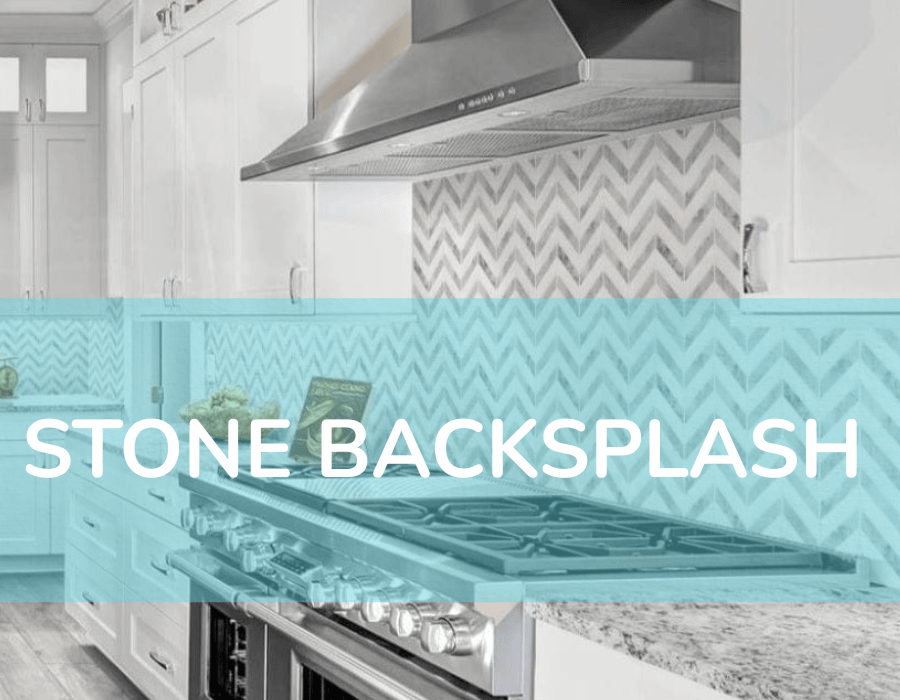
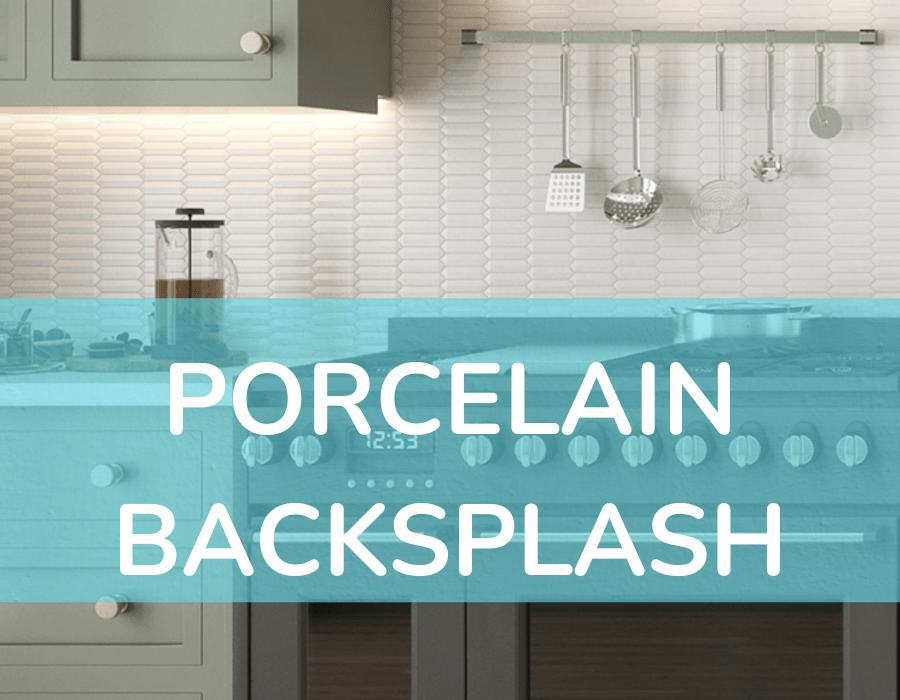
Each material brings a different visual weight. Natural stone (marble, travertine) feels organic and textured even in a honed finish, glass is the most reflective and visually "light" material, and porcelain sits in between able to mimic either look depending on finish. A dependable combination is porcelain as the neutral base material across most of a room, with glass mosaic as a smaller accent for shine, and a touch of natural stone a marble ledge, a stone mosaic border for organic texture. Using all three at roughly equal proportions in one room usually reads as busy; using one as the clear "lead" material keeps the mix balanced.
|
Material Pairing |
Visual Effect |
Best Application |
|
Matte porcelain + glass mosaic accent |
Grounded with a shine highlight |
Kitchen floor + backsplash |
|
Honed marble + glossy subway |
Organic softness with polish |
Bathroom wall + shower niche |
|
Textured porcelain + smooth glass |
Tactile contrast |
Shower floor + accent band |
|
All-matte, mixed shapes |
Subtle, cohesive texture |
Minimalist bathroom or hallway |
Choosing Complementary Colors
When mixing textures, it helps to simplify the color palette so texture not color carries the visual interest. Staying within one or two closely related tones (a range of warm whites, or a few shades within the same blue-gray family) lets glossy, matte, and textured surfaces read as a cohesive design rather than three separate decisions. Reserve color contrast for rooms where you're using a single texture throughout, since combining bold texture mixing with bold color contrast in the same space is where most "too busy" results come from.
Room-by-Room Inspiration
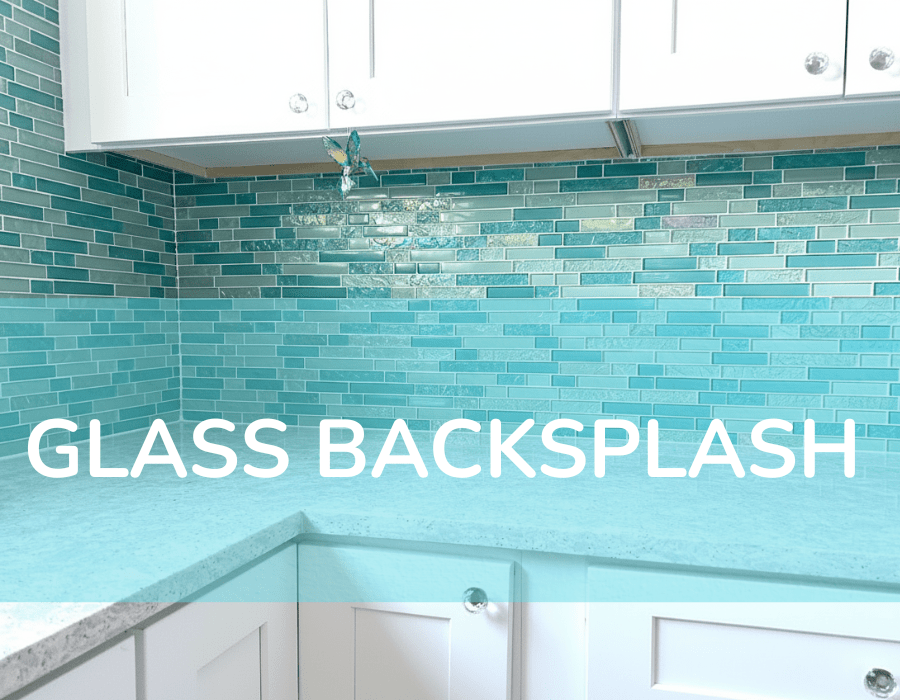
In bathrooms, a matte large-format floor paired with a glossy or glass mosaic shower accent is a dependable, widely used formula that balances practicality (slip resistance on the floor) with visual interest (shine at eye level in the shower). In kitchens, a matte or honed stone-look porcelain floor paired with a glass mosaic or slab backsplash follows the same logic practical underfoot, expressive at eye level. Powder rooms and entryways, seen briefly rather than lived in daily, can support a bolder mix patterned tile with a textured stone accent, for instance since the room doesn't need to feel calm the way a primary bathroom or kitchen does.
Common Styling Mistakes
- Mixing more than two or three textures in one room. Beyond that, a space typically starts to feel unplanned rather than layered.
- Pairing high-contrast texture with high-contrast color. Doing both at once is the most common cause of a "too busy" result.
- Ignoring proportion. A small glossy accent works; a 50/50 split between glossy and matte across a wall often looks indecisive rather than intentional.
- Skipping a physical sample check. Texture especially is hard to judge from a photo ordering samples and viewing them together in the actual room's lighting prevents costly surprises.
Professional Design Tips
Designers commonly recommend choosing the "quiet" texture (typically matte) for the largest surface area first, then selecting the accent texture second, rather than falling in love with a bold accent tile and trying to build a whole room's palette around it. It also helps to view all chosen materials together not just tile against tile, but tile against countertop, cabinetry, and flooring before finalizing, since a texture mix that works in isolation can still clash once every material in the room is accounted for.
Conclusion
Mixing tile textures well isn't about finding rules to follow rigidly it's about giving one texture the lead role and letting one or two others support it, rather than competing for attention in equal measure. Get that balance right, and a room reads as considered and layered rather than assembled from mismatched parts. Tiles & Deco carries matte porcelain, glossy glass mosaic, and natural stone collections designed to be mixed, with $0.99 samples so you can test combinations together before ordering.
FAQs
Can glossy and matte tiles be mixed?
Yes, and it's one of the more reliable texture-mixing approaches using matte on the dominant surface (floor or main wall) and glossy as a smaller accent keeps the combination balanced rather than competing.
Which textures suit modern homes?
Matte and honed finishes generally suit modern, minimalist interiors best, with glossy or reflective materials reserved for smaller accent moments rather than large surfaces.
Are textured tiles harder to clean?
Slightly textured surfaces can trap more dirt and grime in crevices than smooth, glossy tile, though the trade-off is usually worthwhile in areas that need slip resistance, like floors and pool decks.
How many tile textures should be used?
Two to three per room is the general guideline designers work within; beyond that, a space tends to feel cluttered rather than intentionally layered.
Which combinations look luxurious?
Honed marble paired with a small glass mosaic accent, or matte large-format porcelain with a glossy mosaic backsplash, are both combinations that consistently read as high-end without requiring an all-natural-stone budget.

Written by Tiles and Deco
READ MORE
Everything You Need to Know Before Starting a Pool Renovation Project
A pool that's structurally sound but visually tired is one of the most common and most fixable renovation situations homeowners face. Retiling and updating the finish can transform a dated pool i...
Read more
How to Choose the Right Tile Supplier for Residential and Commercial Projects
The tile itself only tells half the story of how a project turns out the supplier behind it determines whether you get consistent product, accurate documentation, and support when something doesn'...
Read more