




Stylish Tile Combinations to Transform Your Kitchen Backsplash
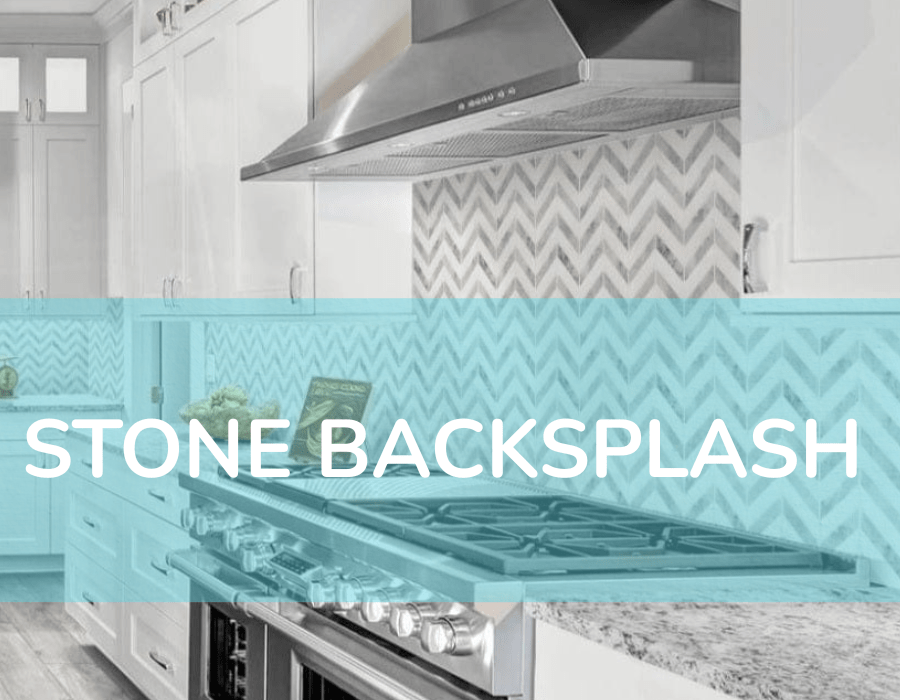
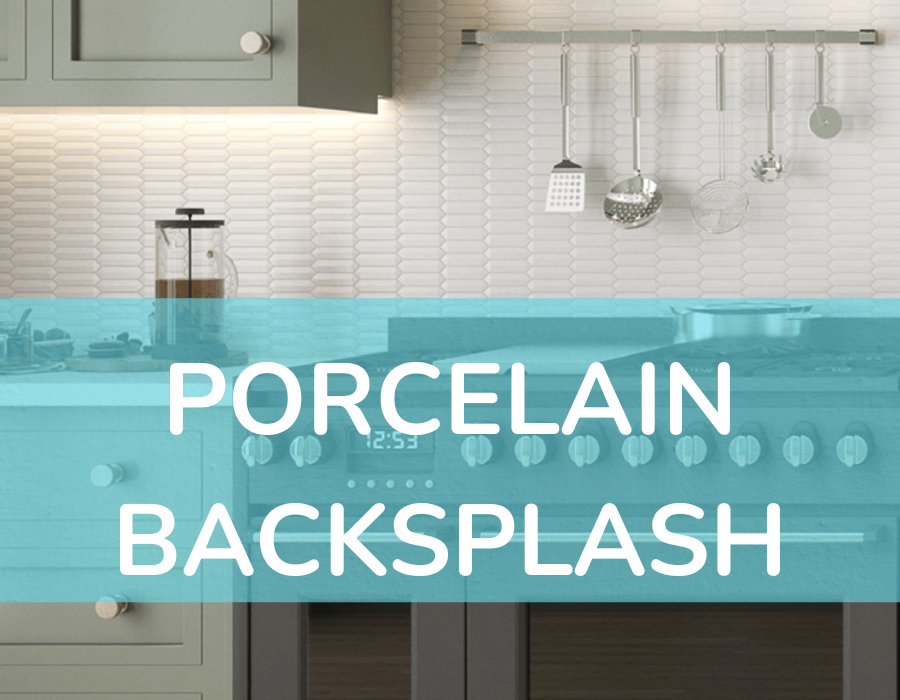
A kitchen backsplash looks more refined when the tile combination feels planned, not random. The right mix of colour, finish, shape, or texture can make the space feel cleaner, warmer, or more design-led without overwhelming the kitchen. Well-balanced pairings help the backsplash support the cabinets, countertops, and overall layout in a more natural way.
Introduction
A backsplash can ruin a well-planned kitchen faster than most people expect. Not because the tile is bad, but because the combination feels disconnected, too flat, or far too busy once everything comes together. That is why more homeowners are now looking beyond single-surface layouts and exploring kitchen backsplash tile ideas that mix texture, tone, and shape more thoughtfully. The right pairing can make cabinets, counters, and wall space feel more connected without making the room feel heavy.
Why Tile Combinations Are Trending in Modern Kitchens
Single-tile backsplashes still work, but many kitchens now need more visual depth than one finish can offer. Mixed tile pairings help create that depth in a controlled way. A clean base tile with a textured insert, or a quiet surface with a narrow decorative band, can make the wall feel more considered without turning it into a loud design feature. That shift explains why modern kitchen backsplash tiles are often chosen in combinations rather than as one repeated pattern from edge to edge.
Modern Kitchen Backsplash Tile Combinations That Look Premium
The best pairings usually work because one tile leads and the other supports.
-
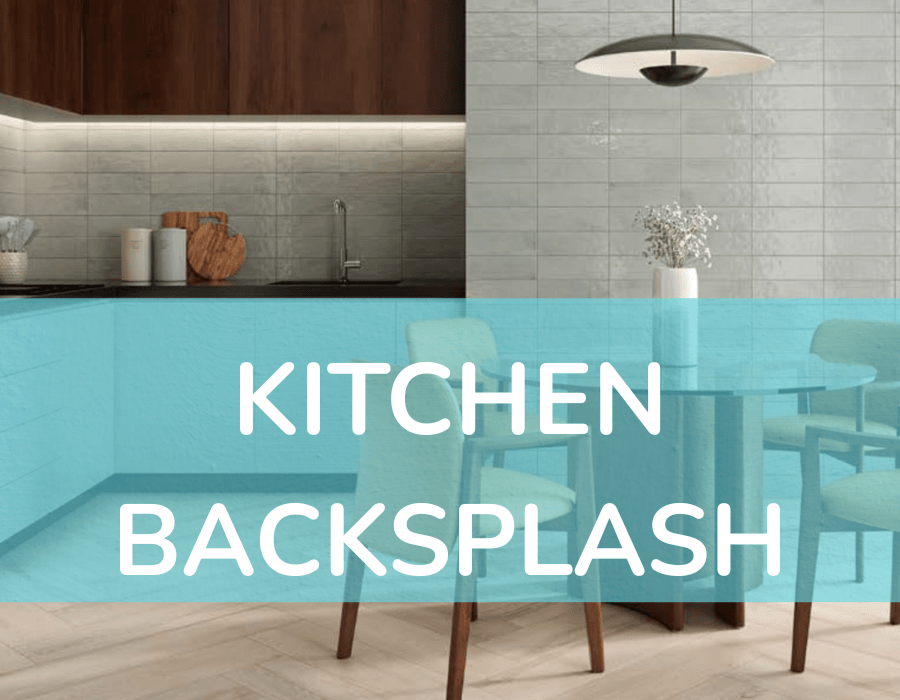
A soft stone-look tile with a slim metallic accent can feel polished without becoming flashy.
-
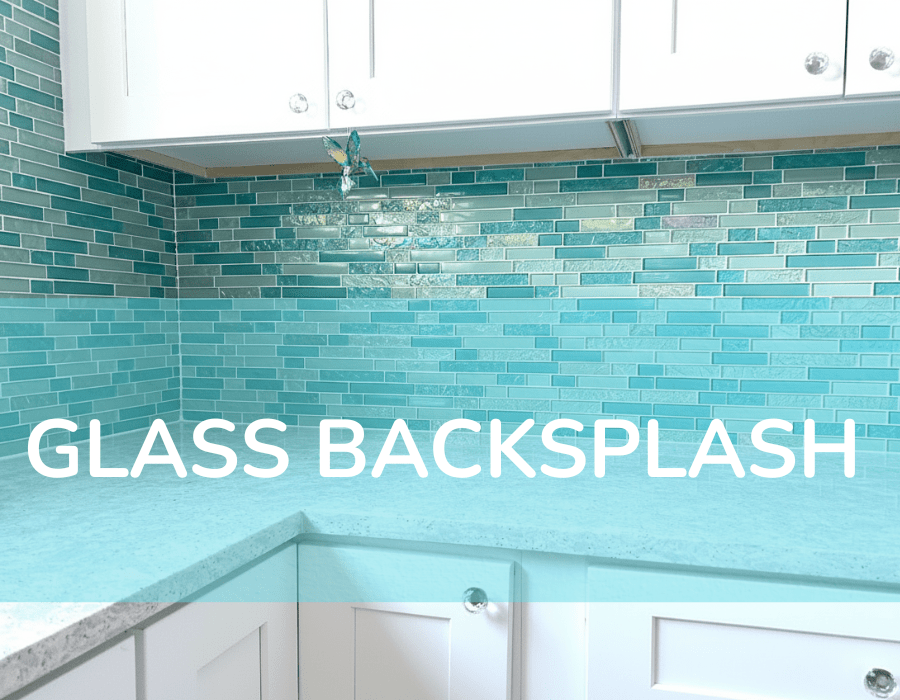
Handmade-look subway tiles paired with a narrow mosaic strip bring texture without visual clutter.
-
Large-format backsplash surfaces with a small patterned insert can make the wall feel layered and more refined.
-
Neutral gloss tiles mixed with a lightly textured matte finish create contrast in a quieter way.
Patterned Kitchen Tiles vs Simple Backsplash Tiles
The choice between patterned kitchen tiles and simpler backsplash surfaces depends on how much movement already exists in the kitchen. If the countertop has strong veining or the cabinetry colour is already bold, a calmer backsplash usually keeps the room more balanced. Patterned tiles work better when the rest of the kitchen feels visually steady, and the wall needs detail. Simpler tiles, on the other hand, are easier to live with when the goal is a cleaner, more open finish. Neither is better on its own. The success comes from how the backsplash behaves with everything around it.
Stylish Kitchen Backsplash Tile Ideas for Small Kitchens
Smaller kitchens benefit from combinations that keep the wall feeling light and readable.
-
Use one light-toned base tile and one subtle accent rather than two competing statement surfaces.
-
Vertical stack layouts can help the wall feel taller.
-
Reflective finishes can bounce more light around compact spaces.
-
Fine-pattern inserts usually work better than large, busy motifs in tighter kitchens.
-
Smart kitchen wall tile ideas often rely on restraint more than contrast.
Choosing the Right Colors for Kitchen Backsplash Tiles
Color pairing changes everything. Light backsplashes tend to keep smaller kitchens feeling open, while deeper shades can add depth when the room already has enough natural light. Warm-toned tiles often sit better with cream, beige, wood, or brass details. Cooler tones usually work more smoothly with white, charcoal, black, or brushed steel finishes. The goal is not to match everything exactly. It is to keep the backsplash connected to the counter and cabinets so the wall feels intentional instead of separated from the rest of the kitchen.
Backsplash Tile Styles That Stay Trendy for Years
Some backsplash tile styles stay relevant because they rely on balance, not novelty.
-
Soft-toned stacked tiles continue to work because they feel clean and easy to pair.
-
Stone-inspired finishes remain strong when the kitchen needs texture without extra pattern.
-
Subtle geometric accents can hold up well when used in small sections rather than across the full wall.
-
Mixed-finish pairings often last longer visually than high-contrast combinations that try too hard.
Which Tile Combinations Work Best for Modern Kitchens?
The strongest combinations usually start with one clear base tile and one secondary detail. That detail might come from shape, finish, tone, or a controlled amount of pattern. In most kitchens, two materials are enough. Once too many textures begin competing, the backsplash stops supporting the room and starts distracting from it. A well-balanced, stylish kitchen backsplash often comes from knowing when to stop, not just from finding more decorative elements. The best combinations are the ones that make the full kitchen feel more settled.
Conclusion
Good backsplash design is rarely about choosing the boldest option in the showroom. It is about combining surfaces in a way that feels calm, connected, and right for the kitchen as a whole. When exploring kitchen backsplash tile ideas, the most reliable results usually come from thoughtful pairings, balanced color direction, and a clear sense of what the room already has. That is exactly where Tiles and Deco can help, with tile options that make it easier to build combinations that feel considered from the start.

Written by Tiles and Deco
READ MORE
7 Popular Floor Tile Materials: Styles, Durability, and Best Uses
Choosing the right floor tile materials is not only about appearance. Each material offers a different balance of style, strength, and everyday practicality. From porcelain and ceramic to natural s...
Read more
Top Outdoor Patio and Garden Tile Trends for 2026
Outdoor patio and garden spaces are taking on a more refined role in home design for 2026. The latest tile trends are moving toward textured finishes, grounded colours, and surfaces that balance vi...
Read more