
Article: The Homeowner's Guide to Selecting Long Lasting Decorative Tiles


The Homeowner's Guide to Selecting Long Lasting Decorative Tiles
Tile is one of the few home finishes that can genuinely last decades rather than years but only if it's chosen with durability in mind, not just color and pattern. Long-lasting decorative tiles combine style with material properties that hold up under real household use: moisture, temperature swings, foot traffic, and everyday cleaning.
This guide breaks down what actually makes a tile durable, how the major materials compare, and what to check before buying.
What Makes a Tile Durable?
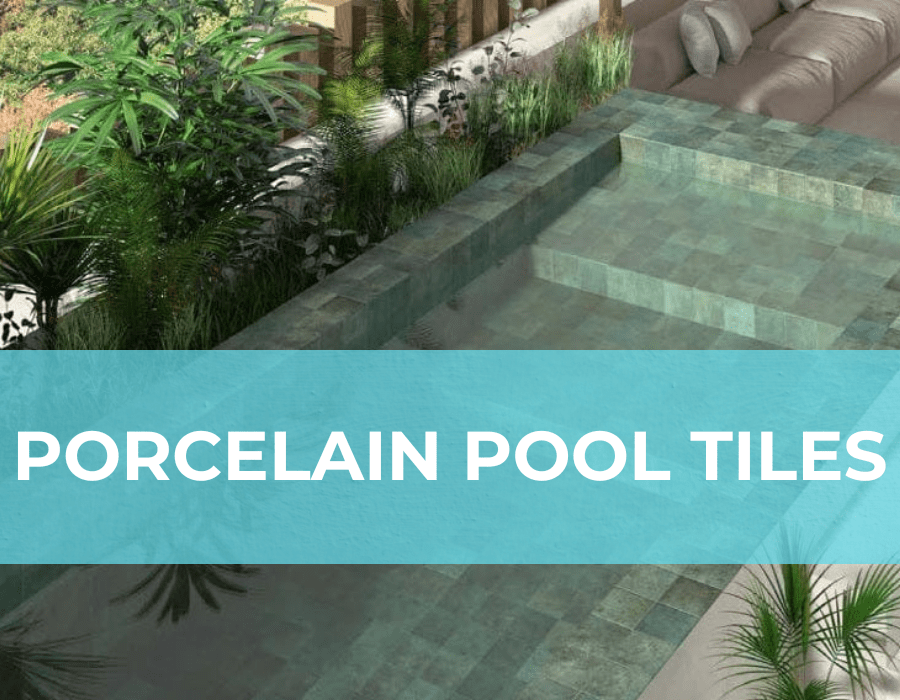
Three properties determine how long a tile will look and perform well: water absorption, surface hardness, and glaze quality. Water absorption measured as a percentage of a tile's weight it can take on determines resistance to staining, cracking from moisture, and freeze-thaw damage. Under ANSI A137.1, porcelain is defined as having water absorption of 0.5% or less, while standard ceramic tile typically absorbs anywhere from 3% to 7%, according to industry comparisons from tile manufacturers and the Tile Council of North America.
Surface hardness, measured by the PEI (Porcelain Enamel Institute) rating from 1 to 5 for residential use, determines resistance to scratching and wear from foot traffic. Finally, glaze quality affects how well a tile resists staining and fading over years of use and cleaning.
Comparing Popular Tile Materials
|
Material |
Water Absorption |
Relative Hardness |
Best For |
Typical Lifespan |
|
Porcelain |
≤ 0.5% |
Very high (PEI 4–5) |
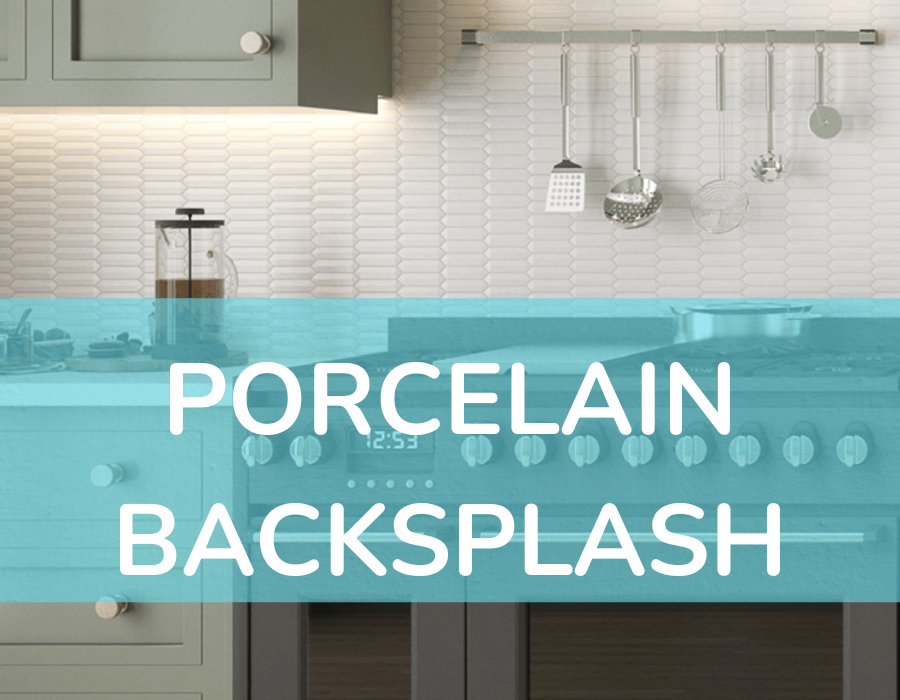
Floors, wet areas, high traffic |
25+ years |
|
Standard ceramic |
3–7% |
Moderate (PEI 1–3) |
Walls, low-traffic backsplashes |
15–20 years |
|
Glass mosaic |
Near 0% (non-porous) |
High, but can chip at edges |
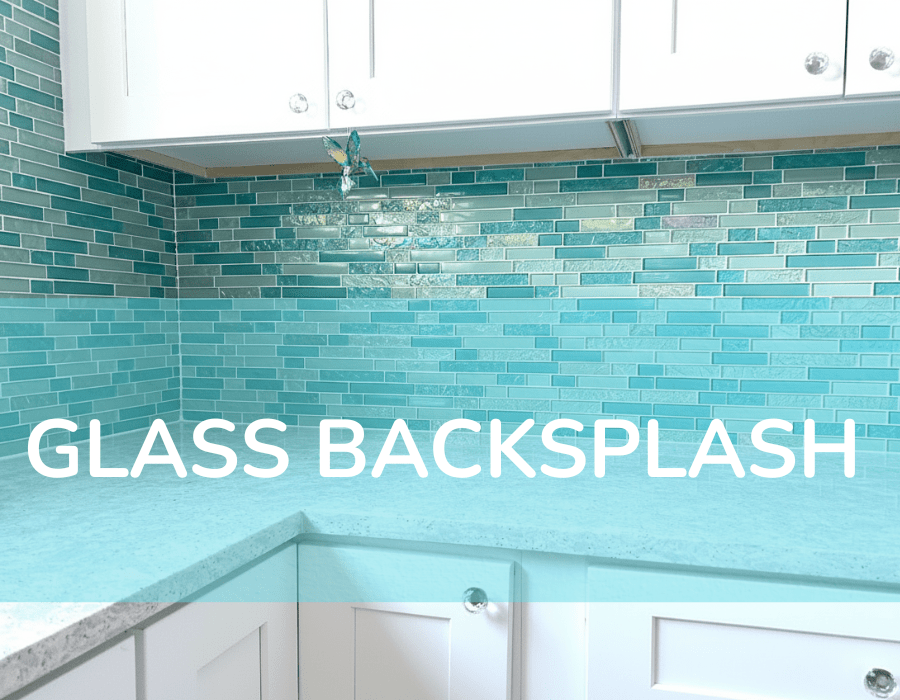
Backsplashes, accent walls |
20+ years |
|
Natural marble |
0.5–3% (varies by stone) |
Moderate, softer than porcelain |
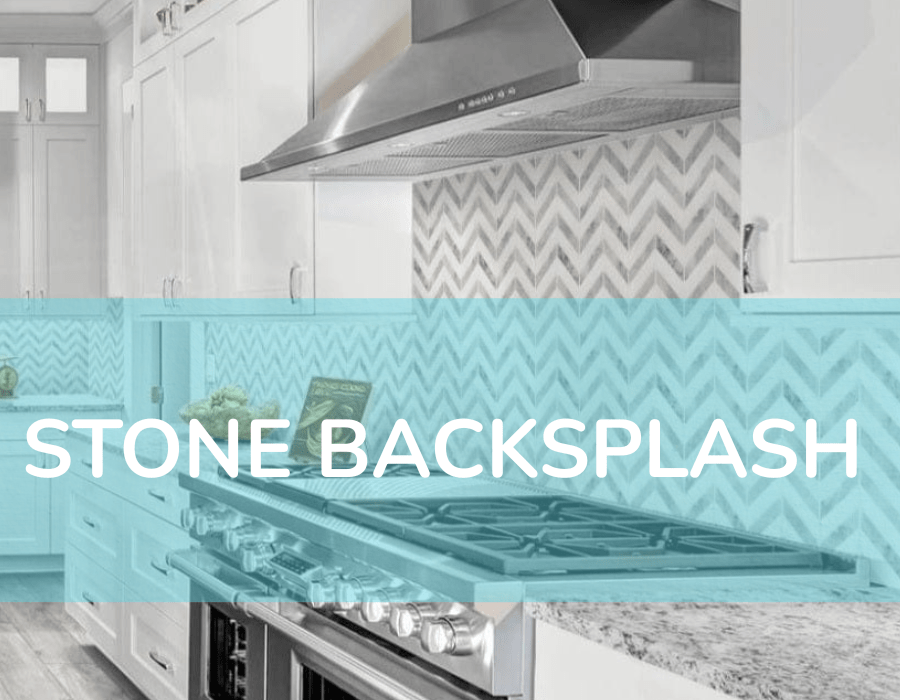
Accent walls, low-traffic floors |
20+ years with sealing |
Choosing Tiles by Room
Not every room needs the same durability profile. Bathrooms and kitchens should prioritize low water absorption and adequate slip resistance (a wet DCOF of 0.42 or higher for floors, per ANSI A137.1) because of consistent moisture exposure. Entryways and mudrooms need the highest PEI rating available, since they see the most concentrated foot traffic and grit in a home.
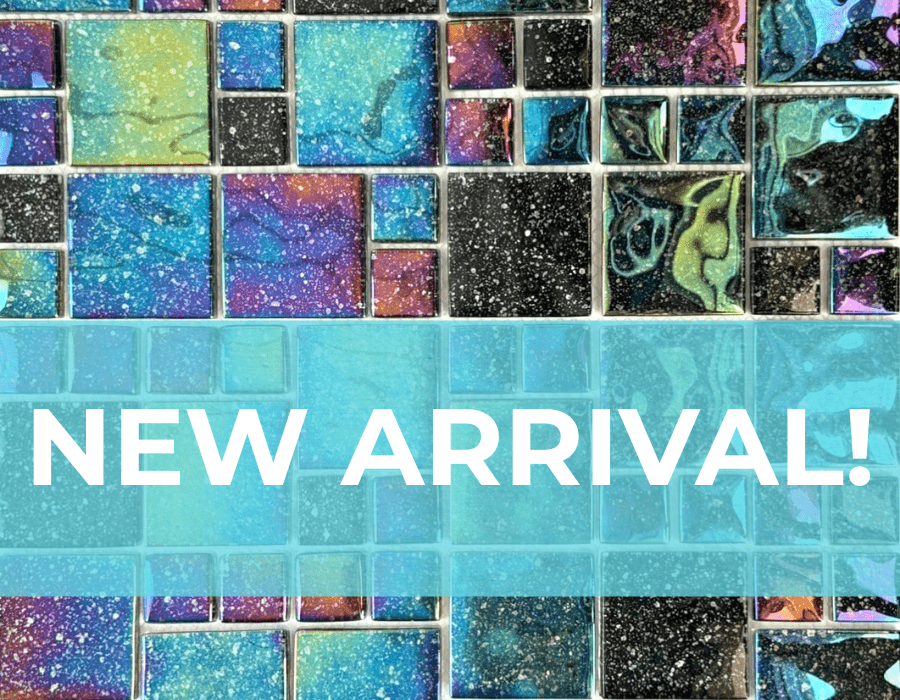
Bedrooms and formal living spaces can prioritize appearance somewhat more, since traffic and moisture exposure are both lower, opening the door to softer materials like marble mosaic that need a bit more care.
Surface Finishes Explained
Glossy, matte, and textured finishes each trade off differently between looks and performance. Glossy finishes show scratches and water spots more readily and are more slippery when wet, making them better suited to walls than floors. Matte finishes hide minor wear better and offer more slip resistance, making them the more practical floor choice in most rooms. Textured finishes go a step further for areas needing maximum slip resistance, like pool decks or shower floors, at some cost to how easy the surface is to clean.
Maintenance Best Practices
Long-lasting tile still needs basic upkeep to actually reach its potential lifespan. Regular sweeping or vacuuming prevents grit from scratching glazed surfaces over time, while pH-neutral cleaners protect both the tile glaze and the grout from gradual etching that acidic or highly alkaline cleaners can cause.
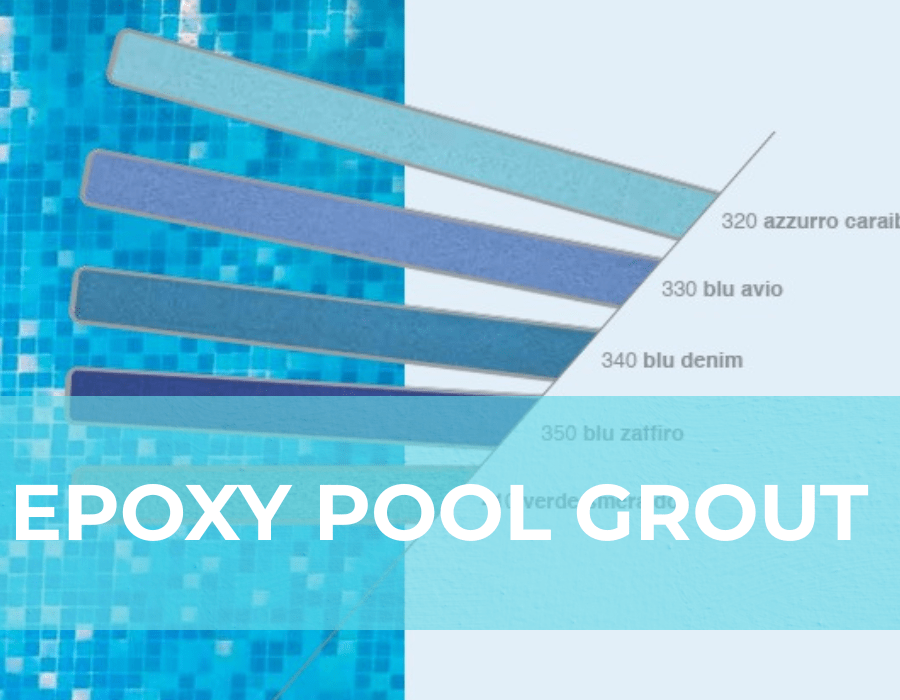
Grout porous by nature even when the tile itself isn't typically benefits from sealing every one to two years in wet areas, since grout failure is a far more common cause of "tile problems" than the tile itself failing.
Common Buying Mistakes
-
Choosing based on the showroom sample alone. Lighting and scale in a showroom rarely match a home's actual conditions; ordering a sample for the specific room is worth the extra step.
-
Ignoring the PEI rating for high-traffic areas. A beautiful tile with a PEI rating of 1 or 2 will show wear quickly in an entryway or kitchen.
-
Assuming all "porcelain" is equal. Look for ANSI A137.1 or PTCA certification rather than relying on marketing language alone, since porcelain labeling isn't always consistently regulated.
- Skipping the underlayment budget. Even the most durable tile will crack over time if installed over a subfloor with too much flex or movement.
Expert Recommendations
For homeowners prioritizing longevity above all else, porcelain remains the most consistently reliable choice across nearly every room, thanks to its combination of low water absorption and high PEI ratings. Where a natural material's look is important a marble mosaic accent, for example limiting it to lower-traffic, lower-moisture areas and committing to periodic sealing lets homeowners get the aesthetic benefit without the durability trade-off showing up as damage within a few years.
Conclusion
The tiles that actually last decades share a few measurable traits: low water absorption, an appropriate PEI rating for the room, and a well-maintained grout line. Chasing those specifications first, then narrowing by color and style, is the reverse of how most people shop for tile but it's the approach that avoids an expensive redo five years down the line.
Tiles & Deco stocks porcelain, glass, and natural stone mosaic collections with published durability specifications, plus $0.99 samples so you can test how a tile actually performs in your space before committing.
FAQs
Are porcelain tiles stronger than ceramic?
Yes, generally. Porcelain has lower water absorption (0.5% or less versus 3–7% for standard ceramic) and typically a higher PEI hardness rating, making it more resistant to both moisture damage and surface wear.
Which finish is easiest to clean?
Glossy and glazed finishes are typically easiest to wipe clean, though matte finishes are close behind and offer better slip resistance, which matters more for floors than the marginal cleaning difference.
Can decorative tiles scratch?
Yes, though the risk varies by PEI rating; tiles rated PEI 4 or 5 resist scratching from foot traffic significantly better than lower-rated tiles, which are best reserved for walls rather than floors.
Which tiles are waterproof?
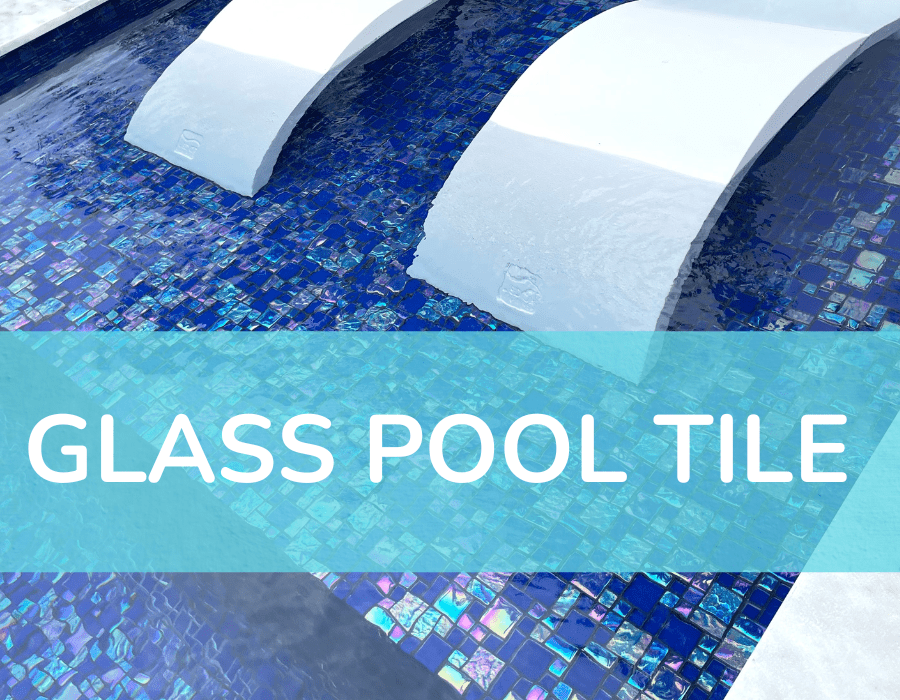
No tile is technically 100% waterproof, but porcelain (≤0.5% water absorption) and glass mosaic (non-porous) both come close enough to function as waterproof for practical household purposes.
What should homeowners check before buying?
Water absorption rate, PEI rating for the intended room, and DCOF slip-resistance rating for any floor application are the three specifications worth checking before purchasing, alongside standard considerations like color and price.
READ MORE
How to Create a Seamless Indoor-Outdoor Tile Design
The line between "inside the house" and "the backyard" has been fading in home design for years, and tile is one of the easiest ways to make that transition feel intentional. Indoor-outdoor tile de...
Read more
Leave a comment
This site is protected by hCaptcha and the hCaptcha Privacy Policy and Terms of Service apply.