


How to Create a Seamless Indoor-Outdoor Tile Design
The line between "inside the house" and "the backyard" has been fading in home design for years, and tile is one of the easiest ways to make that transition feel intentional. Indoor-outdoor tile design uses the same or closely coordinated tile across a threshold say, a kitchen floor that continues onto a covered patio so the eye reads both spaces as one continuous room rather than two disconnected areas.
Done well, it makes a home feel larger, and a backyard feel like genuine living space rather than an afterthought. Done without planning for the different demands of interior versus exterior conditions, it can lead to cracked tile, slip hazards, or a mismatched look within a year or two.
Benefits of Continuous Tile Design
Beyond the visual benefit of a larger-feeling space, continuous tile flooring has real functional upsides. It creates a level, trip-free threshold when detailed correctly, which matters for accessibility and for anyone moving furniture or a grill between indoor and outdoor areas. It also tends to photograph better for real estate listings, since indoor-outdoor flow is a frequently cited want-list item for buyers in warmer climates where outdoor living space functions as genuine square footage for a good part of the year.
Choosing Durable Tile Materials
Not every tile rated for indoor use is secure or durable outdoors, and this is where most indoor - outdoor projects go wrong. Porcelain is the standard choice for true indoor -outdoor continuity because its water absorption rate - 0.5 % or less or less under ANSI A137
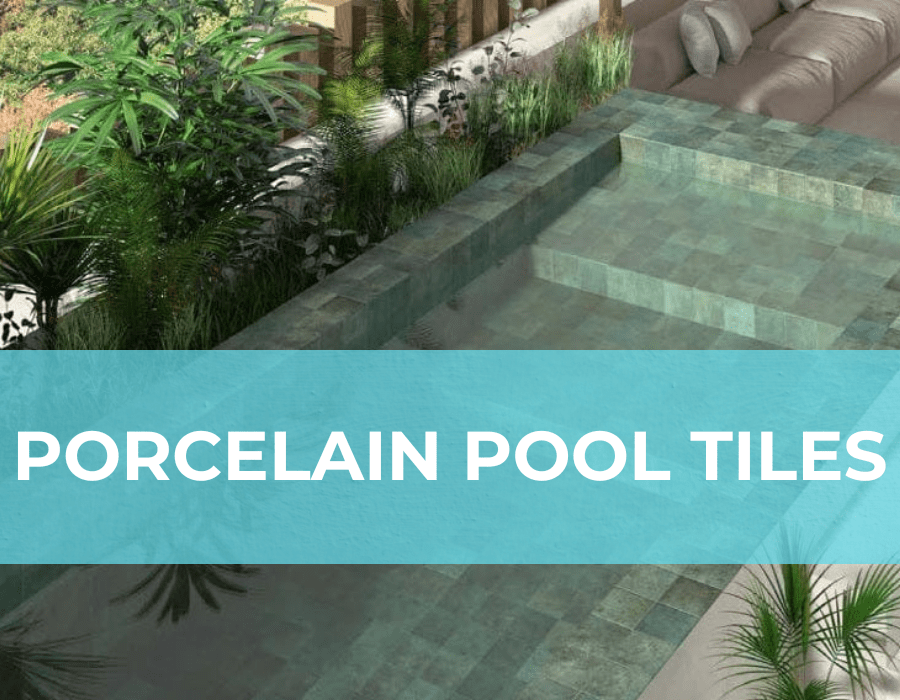
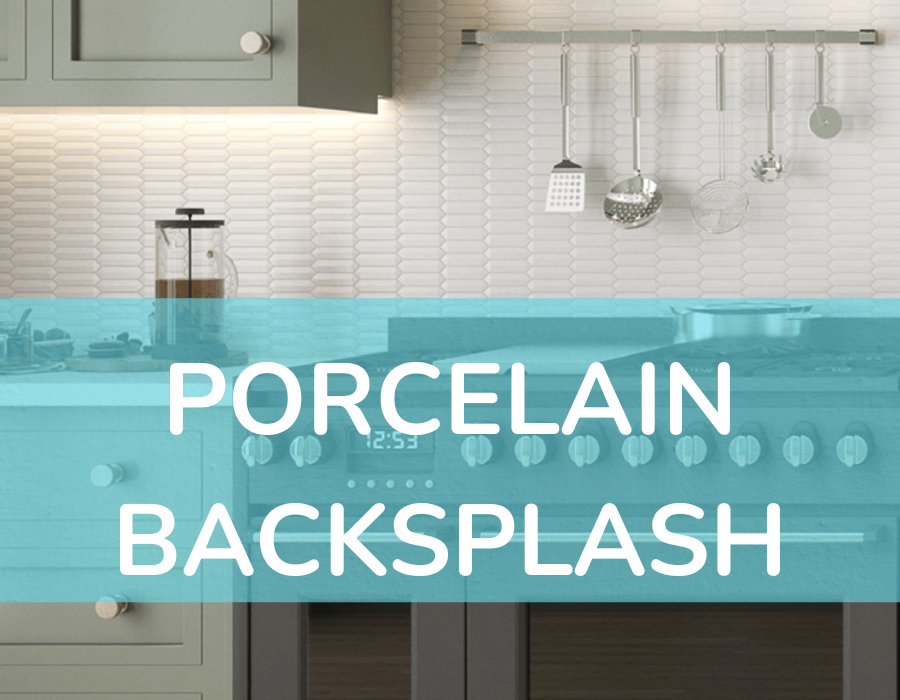
Not every tile rated for indoor use is safe or durable outdoors, and this is where most indoor-outdoor projects go wrong. Porcelain is the standard choice for true indoor-outdoor continuity because its water absorption rate 0.5% or less under ANSI A137.1 means it resists the freeze-thaw cracking and moisture damage that would compromise a more porous ceramic or natural stone tile left exposed to weather. For the exterior portion of a continuous design, a "matching" porcelain paver (same color and finish as the interior tile, but rated and often slightly thicker for exterior installation) is typically used rather than the identical interior product.
Matching Indoor and Outdoor Colors
The goal is visual continuity, not always an identical SKU, since indoor and outdoor tile frequently need different thicknesses and finishes even within the same collection. Most manufacturers, including tile lines built specifically for indoor-outdoor use, offer matching color and pattern across an interior polished or matte finish and an exterior textured paver choosing from within one such collection is the most reliable way to keep the color match consistent under both indoor lighting and direct sun, which can shift how a color reads.
Slip Resistance for Outdoor Areas
Outdoor tile faces conditions interior tile never has to handle rain, pool splash-out, and bare feet are all common. ANSI guidance puts the minimum acceptable wet DCOF (dynamic coefficient of friction) at 0.42 for level interior floors expected to get wet, but recommends 0.60 or higher for areas with little or no footwear, including pool decks, patios, and other outdoor walkways. Choosing a textured or structured-surface porcelain paver for the exterior portion of an indoor-outdoor design, even when it's paired with a smoother interior tile, is standard practice for exactly this reason.
|
Zone |
Minimum Wet DCOF |
Recommended Finish |
|
Interior dry room |
No minimum required |
Any |
|
Interior wet floor (kitchen, bath) |
≥ 0.42 |
Matte or lightly textured |
|
Covered patio |
≥ 0.60 |
Textured porcelain paver |
|
Pool deck / uncovered exterior |
≥ 0.60 |
Structured, unglazed finish |
Patio and Pool Design Ideas
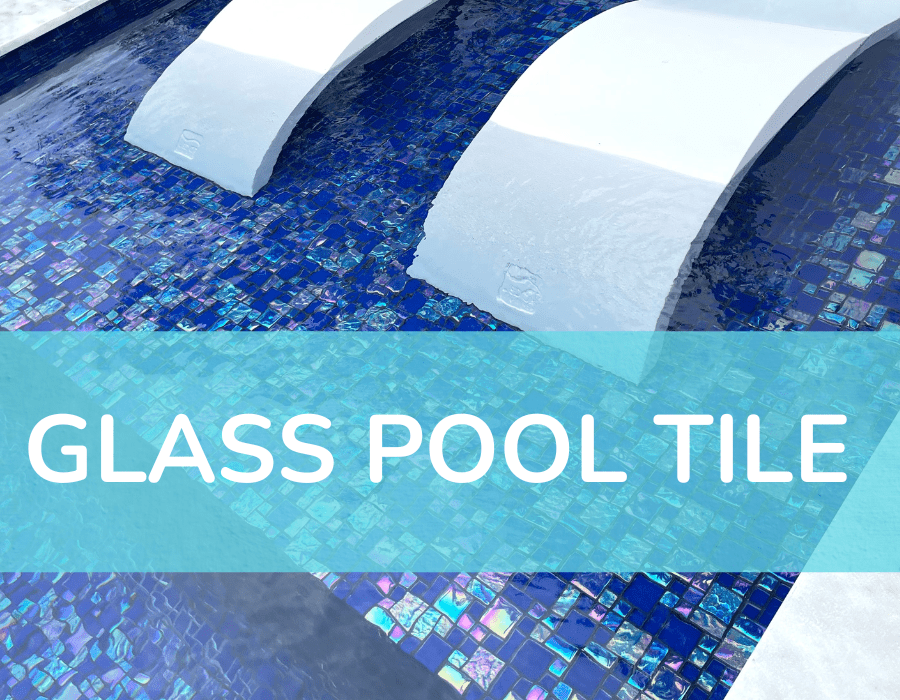
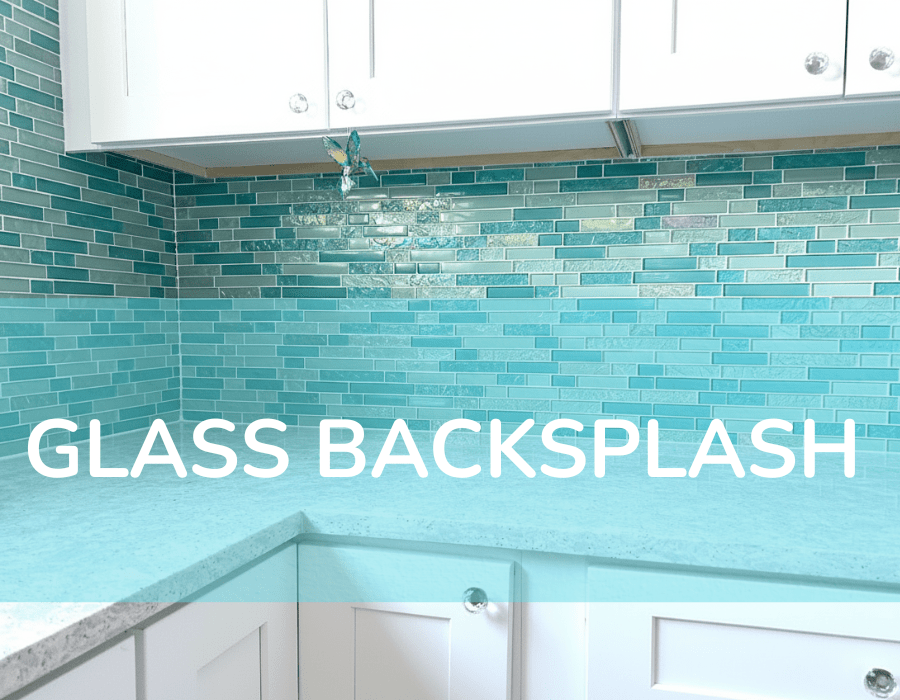
A popular approach is running a large-format porcelain floor from the kitchen or living room directly onto a covered patio, then transitioning to a slightly different but color-coordinated paver around an uncovered pool deck, where slip resistance needs are highest. Glass mosaic waterline tile at the pool's edge adds a design accent that ties back to an indoor mosaic backsplash or accent wall, reinforcing the sense that the whole property was designed together rather than room by room.
Installation Considerations
Exterior porcelain pavers are typically installed thicker than interior tile often 20mm versus a standard 8–10mm interior thickness and are frequently laid over a pedestal system or compacted base rather than a thin-set mortar bed, which allows for drainage and easier future access to utilities beneath a patio. Because of this thickness difference, achieving a truly flush, trip-free threshold between indoor and outdoor tile usually requires planning the subfloor height difference before installation begins, not after.
Maintenance Tips
Outdoor tile needs less sealing than natural stone but still benefits from periodic grout inspection, since exterior grout is exposed to more freeze-thaw cycling and UV than interior grout. Rinsing pollen, leaves, and debris regularly prevents organic staining, and re-sealing grout lines (not the porcelain itself, which doesn't require sealing) every one to two years keeps exterior areas looking as fresh as the interior tile they're matched to.
Conclusion
A well-executed indoor-outdoor tile design comes down to choosing the right porcelain for each zone's actual demands slip resistance outdoors, color continuity throughout, and a properly detailed threshold in between. Get those three right, and a patio or pool deck stops feeling like a separate project and starts feeling like the extension of the home it was always meant to be.
Tiles & Deco offers coordinating indoor and exterior-rated porcelain and glass mosaic collections designed for exactly this kind of continuous flow, with samples available to test how a finish performs in both your kitchen light and your actual backyard sun.
FAQs
What tiles work best for patios?
Textured, exterior-rated porcelain pavers are generally the best choice for patios, since they combine low water absorption with the slip resistance needed for a surface that regularly gets wet.
Which outdoor tiles are safest?
Tiles with a wet DCOF of 0.60 or higher, typically achieved through a structured or textured (rather than polished) surface finish, are considered safest for exterior walkways, patios, and pool decks.
Which finishes resist slipping?
Matte, honed, and textured finishes resist slipping significantly better than polished or high-gloss finishes, particularly once a surface is wet.
What grout should be used outdoors?
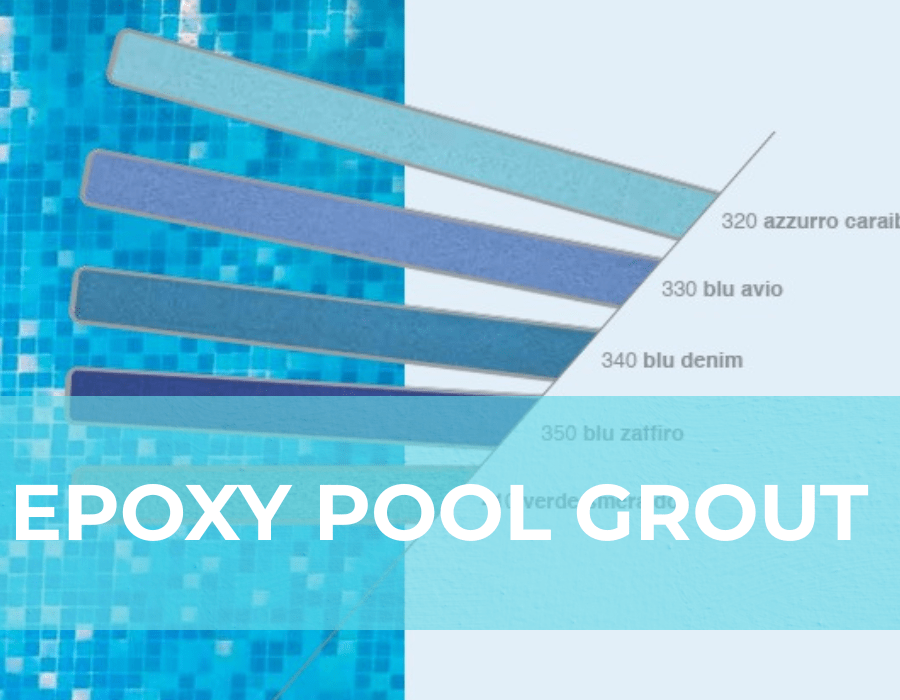
A weather-rated, frost-resistant grout often an epoxy or polymer-modified formula is recommended outdoors, since standard cementitious grout is more prone to cracking under freeze-thaw cycling.
Can mosaic tiles be installed outside?
Yes, provided the specific mosaic is rated for exterior use glass mosaic is common for pool waterlines tile and accent areas, but the tile, adhesive, and grout all need to be exterior-rated rather than assumed suitable from an interior product line.

Written by Tiles and Deco
READ MORE
Complete Guide to Choosing Tiles for Luxury Hotel and Resort Projects
Hotel and resort tile has to do more work than residential tile. They absorb constant foot traffic, face daily cleaning with commercial-grade chemicals, and still have to look flawless in photos gu...
Read more
The Homeowner's Guide to Selecting Long Lasting Decorative Tiles
Tile is one of the few home finishes that can genuinely last decades rather than years but only if it's chosen with durability in mind, not just color and pattern. Long-lasting decorative tiles co...
Read more
Leave a comment
This site is protected by hCaptcha and the hCaptcha Privacy Policy and Terms of Service apply.