

Complete Guide to Choosing Tiles for Luxury Hotel and Resort Projects
Hotel and resort tile has to do more work than residential tile. They absorb constant foot traffic, face daily cleaning with commercial-grade chemicals, and still have to look flawless in photos guests will post online. With the global hotel construction pipeline sitting at a record 15,922 projects and over 2.4 million rooms as of late 2025, according to Lodging Econometrics, and the luxury segment posting its own record highs, tile specification for hospitality projects has become a more competitive, higher-stakes decision than ever.
This guide covers what luxury hotel tile actually needs to deliver, room by room, and how to choose materials that hold up under commercial conditions without sacrificing design.
Tile Requirements for Hospitality Projects
Commercial tile solutions for hospitality differ from residential tile in three key ways: traffic volume, cleaning frequency, and code compliance. Hotel floors typically need a PEI (Porcelain Enamel Institute) rating of 4 or 5, the two highest classes on the wear-resistance scale, since lobby and corridor tile sees far more daily foot traffic than a home floor ever will.
Slip resistance is also a legal, not just aesthetic, consideration public wet areas need a wet DCOF of 0.42 or higher under ANSI A137.1, with pool decks and spa areas requiring closer to 0.60. Finally, hospitality tile needs to tolerate industrial cleaning products without staining, etching, or losing its glaze over years of daily use.
Best Materials for Luxury Interiors
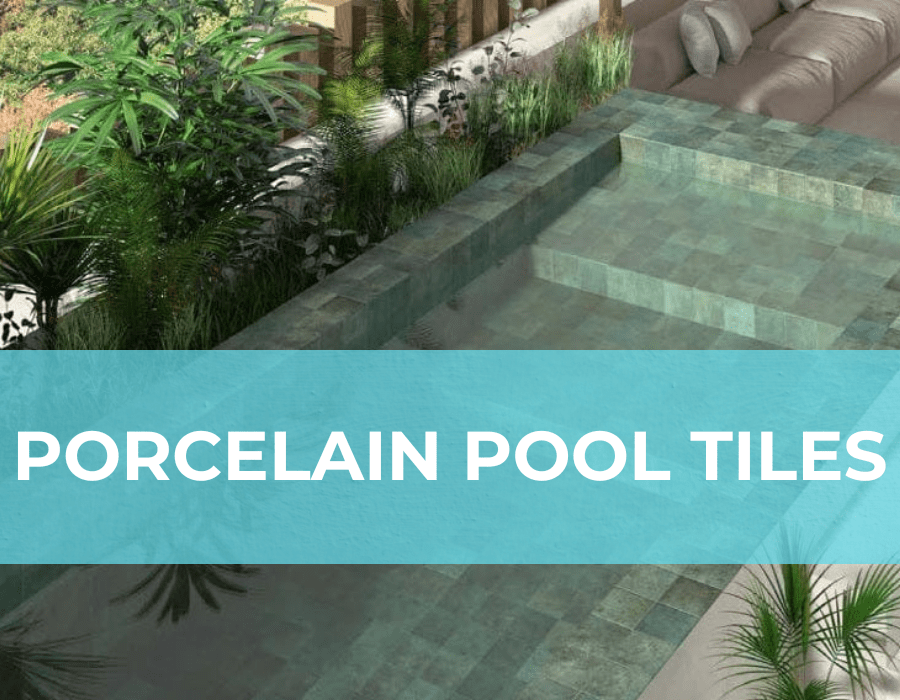
Porcelain remains the workhorse of luxury hospitality interiors because of its combination of durability and design flexibility. With water absorption of 0.5% or less under ANSI A137.1, porcelain resists staining and moisture damage even under heavy commercial cleaning schedules, and modern printing technology allows it to convincingly replicate marble, wood, and stone at a lower long-term maintenance cost than the real material.
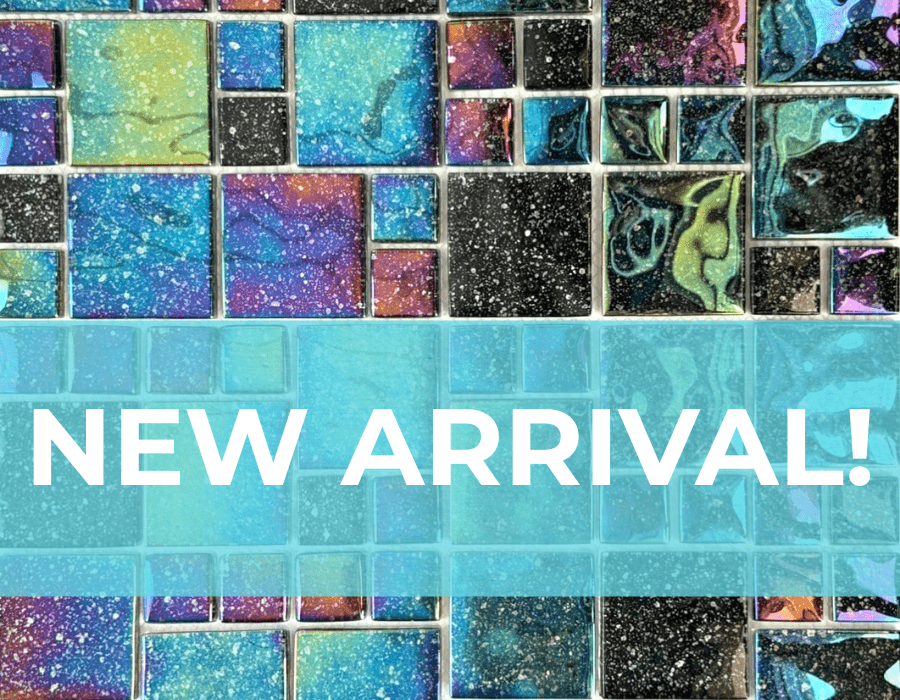
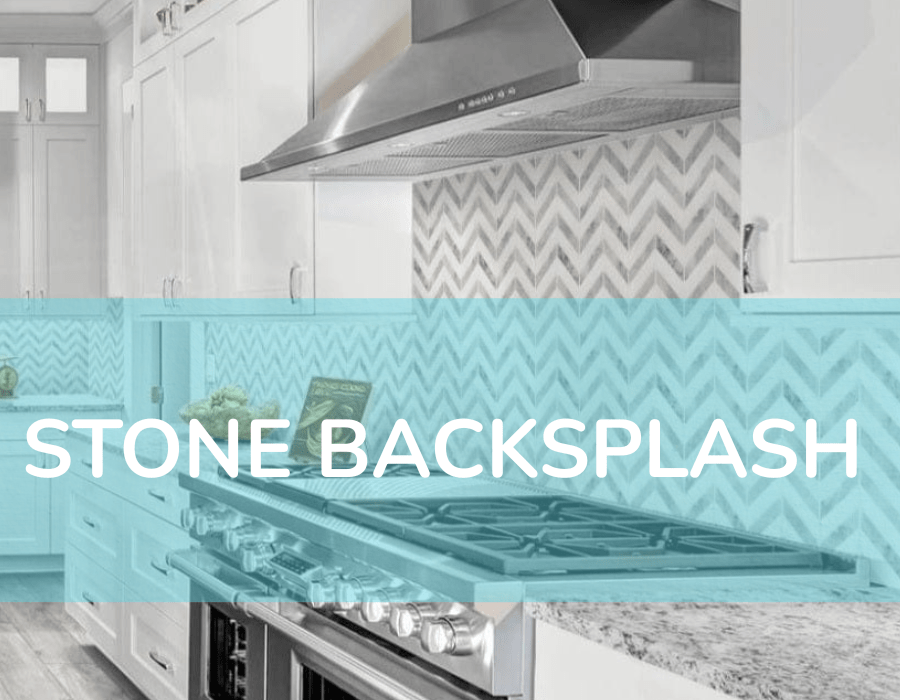
Natural stone and glass mosaic are typically reserved for lower-traffic, high-visibility areas, such as lobby feature walls, spa entries, and bar backsplashes, where their premium wall tile aesthetic outweighs the added maintenance.
|
Area |
Recommended Material |
Key Requirement |
|
Lobby floor |
Porcelain, PEI 4–5 |
High wear resistance, DCOF ≥ 0.42 |
|
Guest bathroom |
Porcelain or ceramic |
Water absorption ≤ 0.5% (porcelain) |
|
Pool deck |
Textured porcelain, glass mosaic |
DCOF ≥ 0.60, UV-stable glaze |
|
Spa & wellness areas |
Glass mosaic, natural stone accents |
Moisture resistance, ambiance |
|
Restaurant/bar |
Porcelain floor, mosaic backsplash |
Stain resistance, easy sanitation |
Pool Areas and Spa Tile Selection
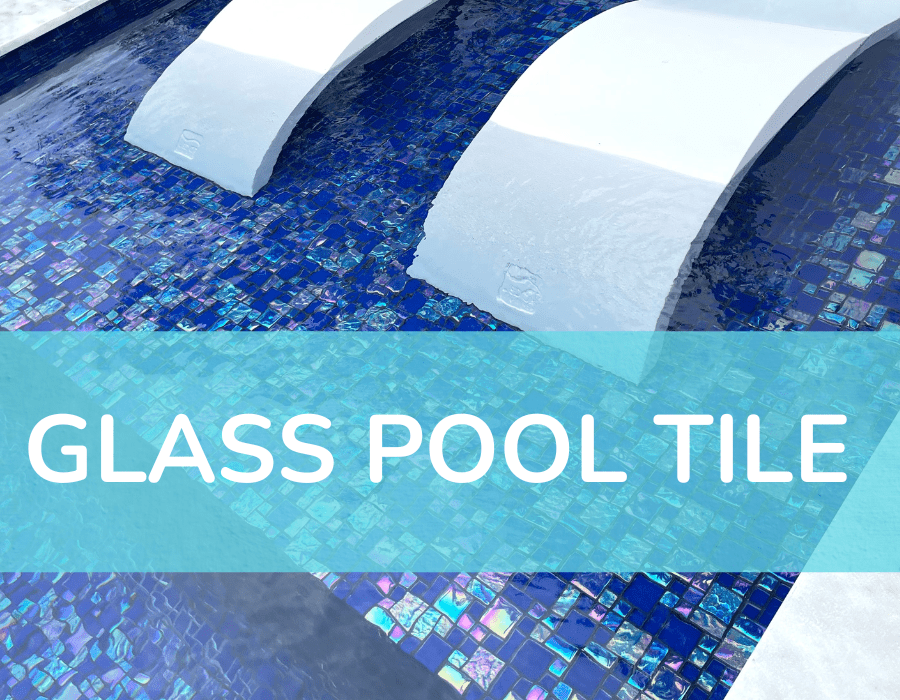
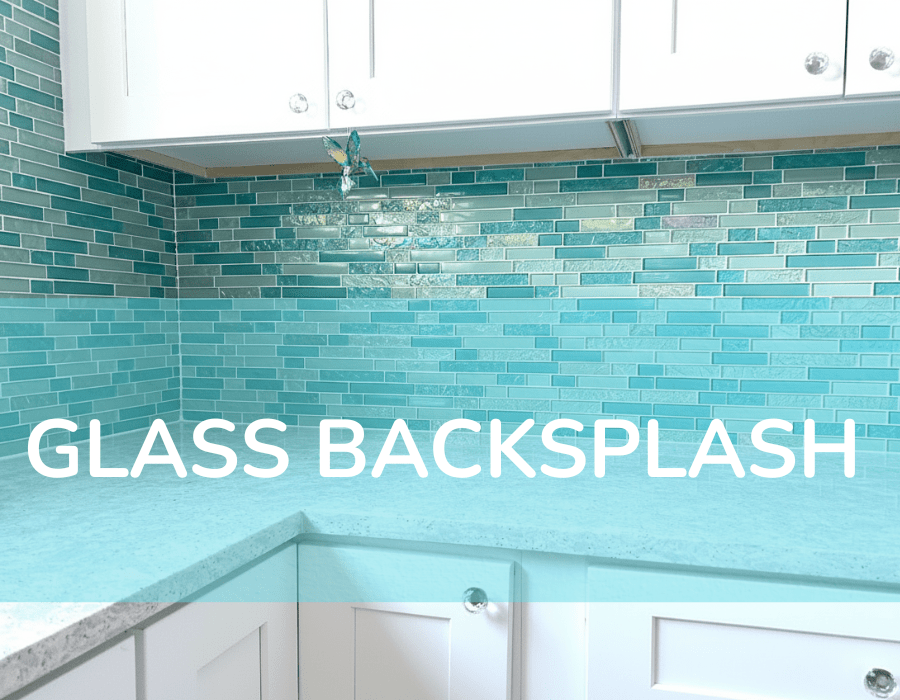
Pool and spa areas carry the highest slip-resistance requirements of any hospitality zone, since guests are frequently barefoot and surfaces stay wet for extended periods. Glass waterline tile is the industry standard for pool edges; it resists the constant exposure to pool chemicals and sun that would fade or etch many other materials, and it's available in enough shades of blue and green to match nearly any resort palette.
For pool decks, a textured porcelain or unglazed tile with a wet DCOF of 0.60 or higher is the safer choice; polished or high-gloss finishes, however attractive dry, become genuinely hazardous once wet.
Restaurant and Lobby Tile Ideas
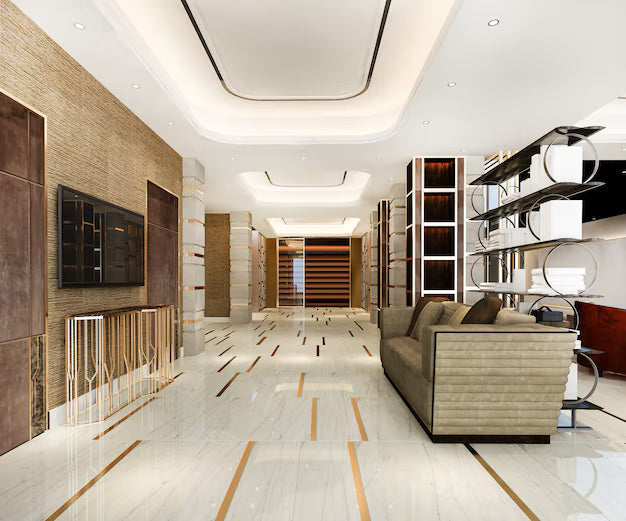
Lobbies set the tone for a guest's entire stay, which is why large-format porcelain slabs and statement mosaic feature walls are common in luxury projects; they photograph well and read as high-end without the maintenance burden of natural stone at that scale.
Restaurant floors benefit from a slightly more textured, matte porcelain to manage spills safely, while bar and open-kitchen backsplashes often use glass or ceramic mosaic for a design accent that's also easy to sanitize.
Durability and Maintenance Considerations
Total cost of ownership matters more in hospitality than almost any other tile application, since a hotel floor is expected to perform for a decade or more between renovations. Porcelain's near-zero water absorption means it won't harbor bacteria or develop the subsurface staining that can eventually force an early replacement.
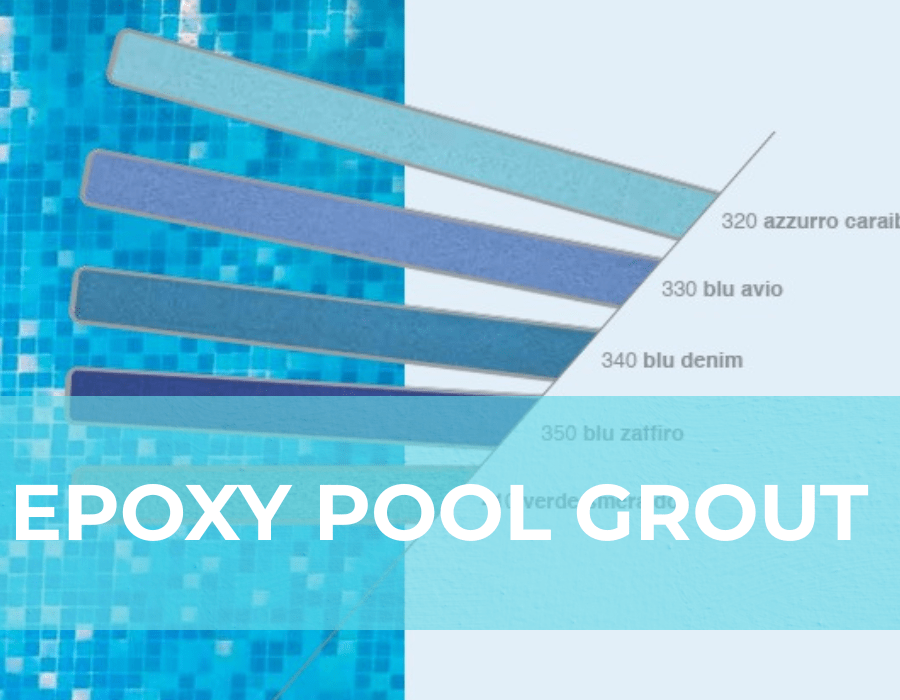
Grout selection matters just as much as tile selection here: epoxy grout, while pricier upfront, resists staining and chemical damage far better than standard cementitious grout in high-traffic commercial settings, which usually makes it the better long-term choice for hospitality projects.
Design Trends in Hospitality
Boutique and luxury properties are increasingly using tile to create a sense of place rather than defaulting to generic marble-look finishes think regionally inspired mosaic patterns in a resort lobby, or a locally referenced color palette in pool tile.
Warm, textured large-format tile is also replacing the cooler, high-gloss marble-look porcelain that dominated hospitality design a decade ago, aligning with the broader shift toward warmer palettes seen across residential and commercial design in 2026.
Choosing the Right Supplier
Hospitality projects run on tight installation windows and large square footage, so consistent dye lots, reliable bulk availability, and manufacturer support for slip-resistance and PEI documentation all matter more than they would for a single residential room.
A supplier who can provide test data (DCOF, water absorption, PEI rating) alongside the product, rather than requiring the design team to chase it down separately, meaningfully speeds up the specification and approval process on commercial jobs.
Conclusion
Tile in a luxury hotel or resort has to survive years of heavy use while still delivering the design impression guests expect from a premium stay; that combination is where porcelain, glass mosaic, and thoughtful material zoning earn their place. Getting the specification right by area, rather than treating the whole property with one material, is what separates a hotel that still looks new in year eight from one that needs an early renovation.
Tiles & Deco supplies porcelain, glass, and mosaic collections suited to hospitality-scale projects, with documentation available on slip resistance and durability ratings for design teams that need it upfront.
FAQs
Which tiles are best for hotels?
Porcelain is generally the top choice for hotel floors and bathrooms because of its high durability (PEI 4–5) and very low water absorption, while glass mosaic pool Tile and natural stone are typically reserved for lower-traffic, high-visibility accent areas.
What tiles work best for spas?
Glass mosaic and textured porcelain both work well in spas: glass mosaic for its ambiance and moisture resistance, and textured porcelain for wet-area floors that need a higher DCOF slip-resistance rating.
Are mosaic tiles suitable for resorts?
Yes, especially as feature elements in pools, lobbies, and spa areas, where their design impact matters more than in high-traffic corridors or guestroom floors.
Which tiles require less maintenance?
Porcelain tile requires the least ongoing maintenance among common hospitality options, thanks to its near-zero water absorption and resistance to staining under repeated commercial cleaning.
What colors suit luxury hotels?
Warm neutrals, stone-inspired tones, and regionally referenced palettes are currently favored over the cooler, high-gloss marble-look finishes that were standard in hospitality design a decade ago.

Written by Tiles and Deco
READ MORE
Top Tile Design Trends That Will Transform Homes in 2026
Tile has quietly become one of the most active categories in home design. It's no longer just a durable surface choice it's where homeowners and designers are experimenting most, from bold kitchen...
Read more
How to Create a Seamless Indoor-Outdoor Tile Design
The line between "inside the house" and "the backyard" has been fading in home design for years, and tile is one of the easiest ways to make that transition feel intentional. Indoor-outdoor tile de...
Read more
Leave a comment
This site is protected by hCaptcha and the hCaptcha Privacy Policy and Terms of Service apply.